Cold Sterile Ceiling Design Modern Choices Making Open Concept Living Spaces Feel Clinical and Echoey
Open concept living spaces feel cold and clinical when ceilings are stark white, glossy, and completely flat with no texture.
Harsh recessed downlights, exposed metal, and zero wood or fabric also make rooms echo and feel empty. Using warm off-white, wood slats, and soft acoustic panels fixes the sterile vibe.
Warm tones and natural texture absorb sound and make big open ceilings feel cozy, intentional, and expensive. Layered warm lighting replaces harsh glare and adds depth without clutter. It instantly turns a clinical echoey space into a warm, calm, Pinterest-worthy home.
You Did Everything the Design World Said to Do and the Room Still Feels Wrong

The Cold Clinical Feeling in a Modern Open Concept Home Is One of the Most Common
The white ceiling, the recessed lights, the exposed concrete, the minimal furniture, you followed every modern design rule and the room still feels like a doctor’s waiting room. The problem isn’t that modern design is inherently cold. It’s that five specific ceiling choices came together and created that clinical effect, and every one of them is fixable without touching a single wall.
The Echo Is Not Just an Acoustic Problem, It Is a Signal That the Space Is Telling You Something Is Missing
Hard parallel surfaces, a flat ceiling, a flat floor, and glass windows, send sound bouncing endlessly because there’s nothing soft to absorb it. The echo is the room’s way of telling you it needs texture, warmth, and mass. The same fixes that stop the clinical feeling will also stop the echo.
The Ceiling Choices Creating the Clinical Feeling
The Choices That Turn a Modern Ceiling Into a Clinical One
- A pure bright white ceiling with zero warmth in the undertone
- Recessed downlights as the only ceiling light source
- Recessed lights in a perfectly symmetrical grid
- No ceiling texture or material variation at all
- A flat ceiling above an open plan that never changes height
- A polished concrete or glossy ceiling finish
- No warm light sources anywhere, all cool white downlights
- An exposed HVAC duct or structural element painted the same white as everything else
The Single Choice Doing the Most Damage
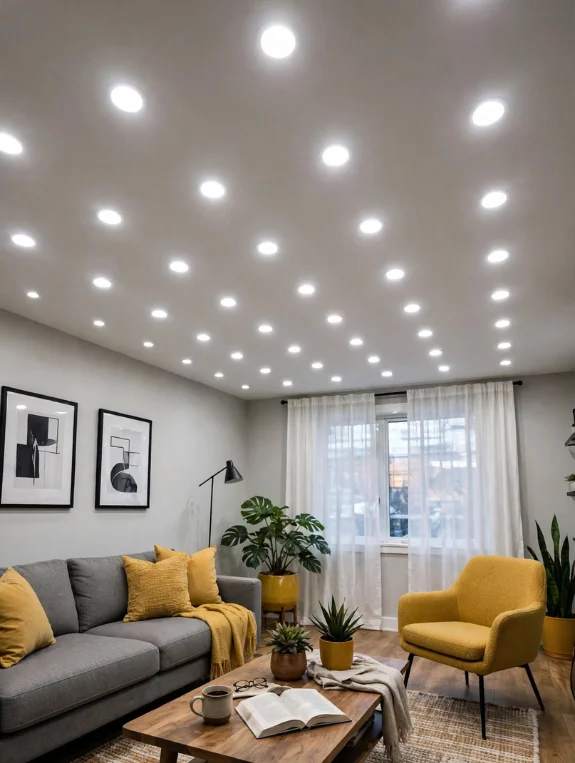
Recessed downlights in a symmetrical grid, as the only light source in the room, does the most damage. It creates perfectly flat, even illumination with no shadow and no variation, which happens to be the exact lighting specification you’d find in a hospital corridor.
The shadow and variation that warm light creates is what makes a space feel like a home rather than a facility, and filling the whole ceiling with downlights eliminates that entirely.
The Color Temperature Fix That Changes Everything Overnight
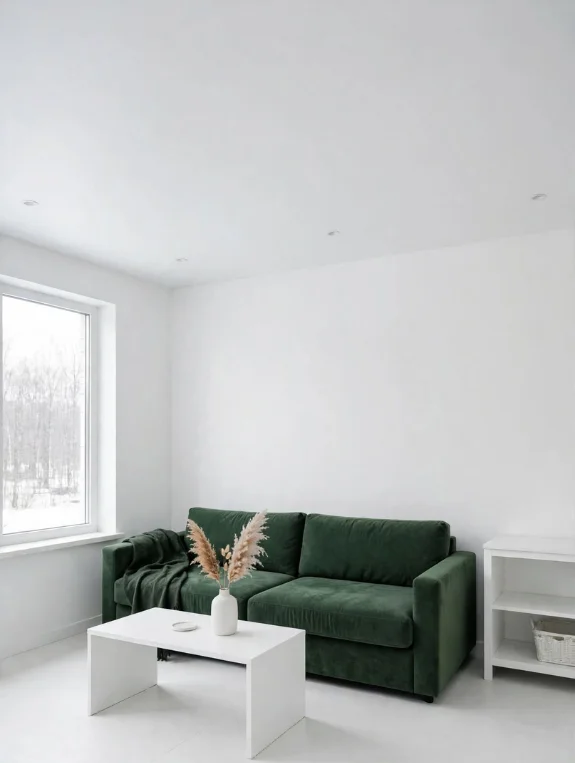
Why Cool White Recessed Lights Make Modern Spaces Feel Clinical Regardless of the Fixtures or the Room Size
4000K to 5000K cool white light is the exact color temperature used in commercial and medical facilities, chosen because it makes everything look clear and clean. In a home, that same temperature makes everything look sterile and cold instead. Your brain associates it with places you visit for a reason, not places you actually live.
The Bulb Swap That Transforms the Feeling of the Entire Open Plan
Replacing every recessed light bulb with 2700K warm white equivalents, same fixture, same position, same brightness, just a different temperature, can turn a room that felt like a showroom into a home in the time it takes to change twelve bulbs. At around $25, it’s the single highest-return lighting investment available for a clinical modern open plan.
The 2700K Rule That Every Open Concept Living Room Needs
Every single light source in the open plan should sit at 2700K, no exceptions. One 4000K bulb mixed in among warm ones is detectable by the brain as a cold note, and that temperature consistency throughout is what creates the warm, domestic feeling the space has been missing.
The Recessed Light Layout That Created an Office Ceiling

Why a Symmetrical Grid of Recessed Lights Reads as Commercial Space
Office buildings, hotels, hospitals, and retail environments all rely on a symmetrical grid of recessed or surface lights. That evenly spaced grid is really the lighting language of non-domestic spaces, so when a living room ceiling copies it, the brain reads the room as non-domestic and responds with discomfort, even without consciously noticing why.
Breaking the Grid With Warmer Sources That Create Zones
Turning off some of the recessed lights, ideally all of them after 6pm, and replacing them with floor lamps, table lamps, and pendant lights at varying heights, breaks up the grid entirely. Warm pools of light at different heights create the domestic variation that signals home rather than institution, and the recessed lights get demoted to task lighting used only when actually needed.
The Pendant or Chandelier That Breaks the Clinical Grid Most Effectively
One large statement pendant or chandelier hung in the living zone is the single departure from the grid that changes the character of the whole ceiling. Choosing a warm material, rattan, linen, or warm brass, makes it the ceiling element that says someone chose this, rather than a contractor simply installed it.
The Pure White Ceiling That Is Making the Space Feel Sterile

The Difference Between Warm White and Bright White on a Ceiling
Pure white has no undertone, so it reflects every light wavelength equally, which under cool white light reads as blue-white, the color of clinical environments. Warm white carries a yellow or cream undertone, absorbing cooler wavelengths and reflecting warmth instead. Under the exact same ceiling light, warm white glows while bright white glares.
The One-Can Ceiling Paint Fix for Clinical Open Concept Rooms
Repainting the ceiling in a warm white, Benjamin Moore’s White Dove or Sherwin-Williams’ Alabaster, makes the ceiling read as warm and domestic rather than bright and clinical. It works alongside every other design element already in the room, and it’s the single paint decision homeowners with clinical open concept rooms consistently wish they’d made from the start.
Adding a Subtle Warm Wash With Limewash Paint
Applying limewash to the ceiling introduces an uneven, chalky texture that breaks the clinical perfection of a smooth white surface. The ceiling ends up with real variation, depth, and warmth, all from a single application that addresses color and texture at the same time.
The Echo Problem and the Ceiling Treatments That Fix It

Why Open Concept Rooms Echo and What the Ceiling Has to Do With It
A flat, hard ceiling directly above a hard floor, with glass walls and minimal soft furnishings, lets sound waves bounce between every surface with nothing to absorb them. That echo makes conversation uncomfortable and the TV too loud, and the space can start to feel more like a gymnasium than a living room. The ceiling plays a big role here simply because it’s the largest single hard surface overhead.
Ceiling Treatments That Absorb Sound While Looking Beautiful
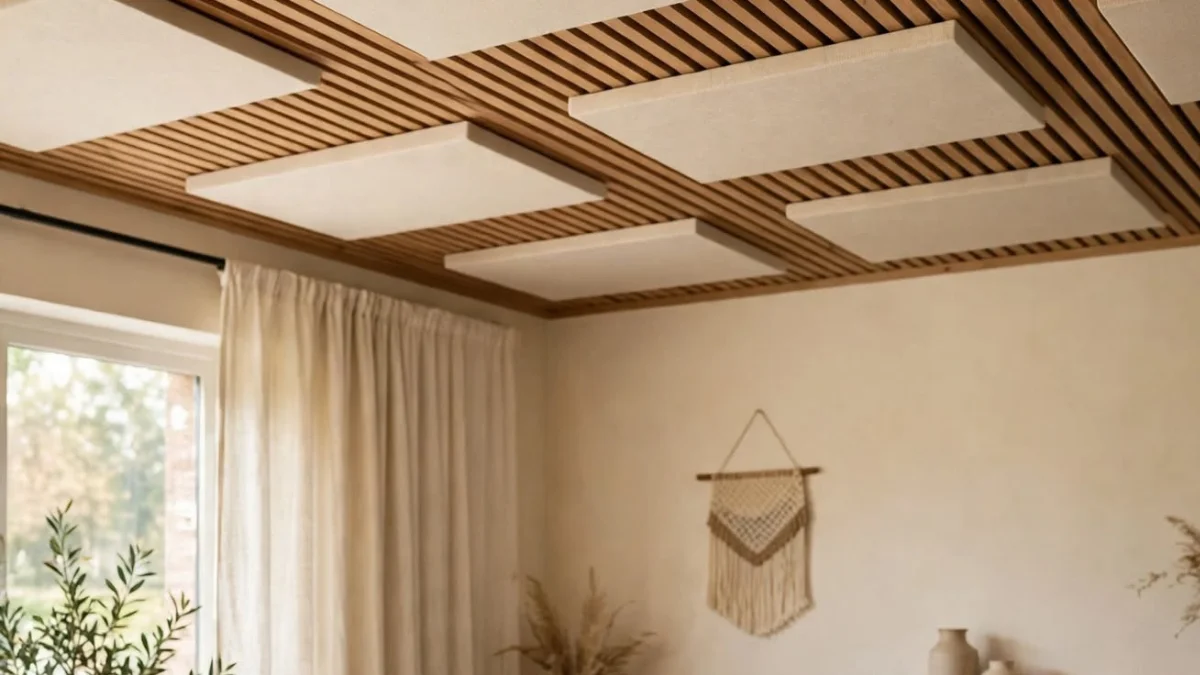
Fabric acoustic panels installed in the ceiling, wrapped in linen or warm fabric, absorb 60 to 80 percent of the sound energy that hits them. Available in large formats and warm neutral fabrics that blend with a modern ceiling, they solve the echo problem and add texture at the same time.
Faux Wood Beams That Add Sound Absorption and Warmth Together
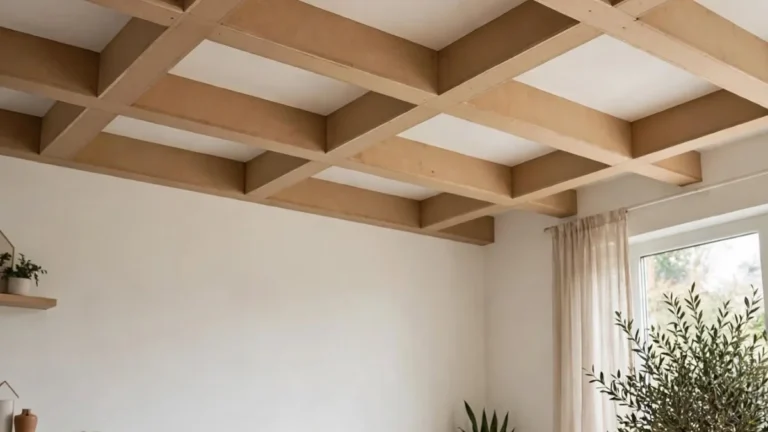
Hollow polyurethane faux beams installed across the open plan ceiling add mass and surface variation that disrupts how sound waves travel, while also adding the visual warmth the clinical ceiling has been missing. It’s one installation that tackles the echo, the coldness, and the sterile look all at once.
The Texture and Variation That a Clinical Ceiling Is Missing
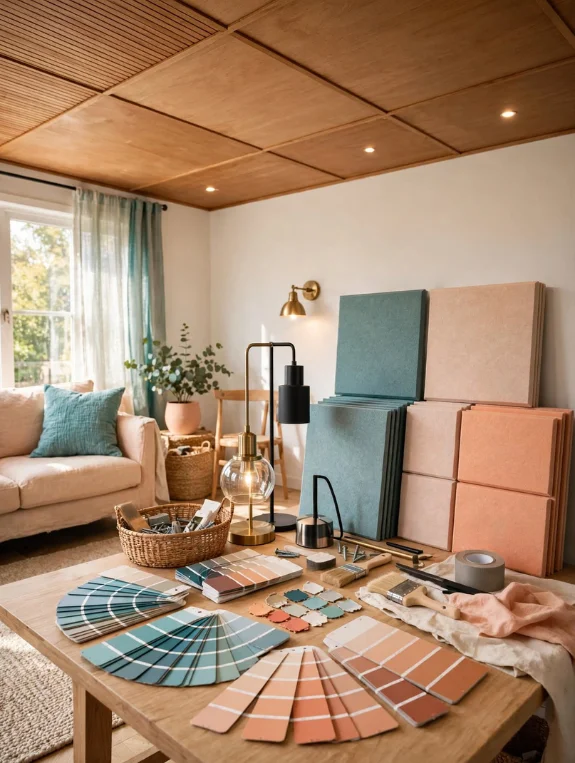
Why a Perfectly Smooth Seamless Ceiling Feels Cold
The human eye finds visual rest in texture and variation, and a perfectly smooth, clinical ceiling gives it nowhere to settle. The eye keeps re-reading the surface looking for something to land on, and that restlessness contributes to the uncomfortable feeling clinical spaces carry. Texture on the ceiling gives the eye somewhere to rest, and the room immediately starts to feel more comfortable.
Quick Ceiling Texture Additions That Warm the Open Plan
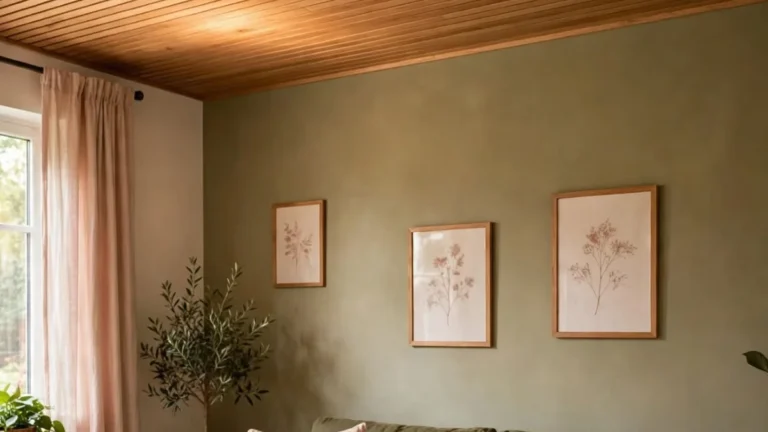
Wood panel sections applied to the ceiling in the living zone, a rattan or cane panel inset, or a section of warm fabric all break the monotony of a perfectly smooth white surface. None of it requires a full ceiling replacement, just enough texture to add the warmth that’s currently missing.
The Statement Ceiling in One Zone That Changes the Whole Open Plan
Using a different ceiling treatment in just the dining zone or living zone, wallpaper applied to the ceiling of one defined area, or wood planks in a defined section, creates zone definition and visual warmth without touching the rest of the ceiling.
The Complete Clinical Ceiling Fix Sequence
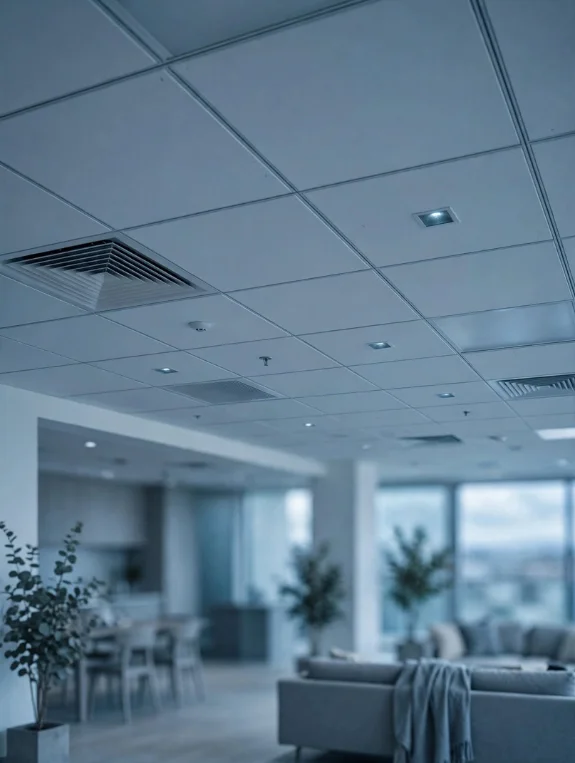
This Week: The Free and Under $25 Fixes
Swapping all the recessed bulbs to 2700K warm white and turning off the symmetrical grid after 6pm in favor of lamps costs under $25 total and can cut the clinical feeling roughly in half almost immediately.
This Month: The Under $200 Warmth Additions
One large statement pendant in the living zone, one warm floor lamp in the corner directed upward, and a warm white ceiling repaint together transform the whole overhead experience of the room.
Longer Term: The Texture and Acoustic Solutions
Faux wood beams across the ceiling and fabric acoustic panels in the largest open section are the longer-term investments that solve both the visual coldness and the acoustic echo at the same time.
Where to Find Clinical Ceiling Fix Products
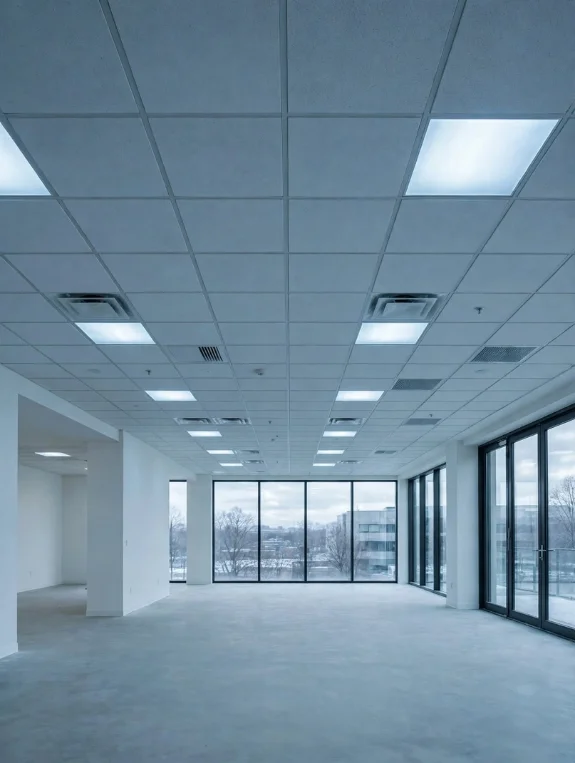
Best Sources for Warm Bulbs and Pendant Lights
Amazon has warm 2700K bulbs in bulk and statement pendants, Rejuvenation offers quality warm lighting worth the investment, and West Elm carries modern pendants in warm material choices.
Best Sources for Ceiling Acoustic Panels and Texture Treatments
Acoustimac and ATS Acoustics offer fabric acoustic ceiling panels, Amazon has peel-and-stick wood ceiling planks, and Ekena Millwork covers faux beam solutions.
Conclusion
A clinical open concept ceiling isn’t a design style problem, it’s a warmth and variation problem, and both are entirely fixable. Warm white paint, 2700K throughout, a pendant breaking up the grid, faux beams adding texture, and acoustic panels absorbing the echo together transform a space that felt like a waiting room into the warm modern home it was always meant to be.
Tonight is a good place to start: change just one bulb to 2700K in your most-used lamp and feel the difference before changing all the rest, since that one comparison is usually enough to motivate finishing the job tomorrow.