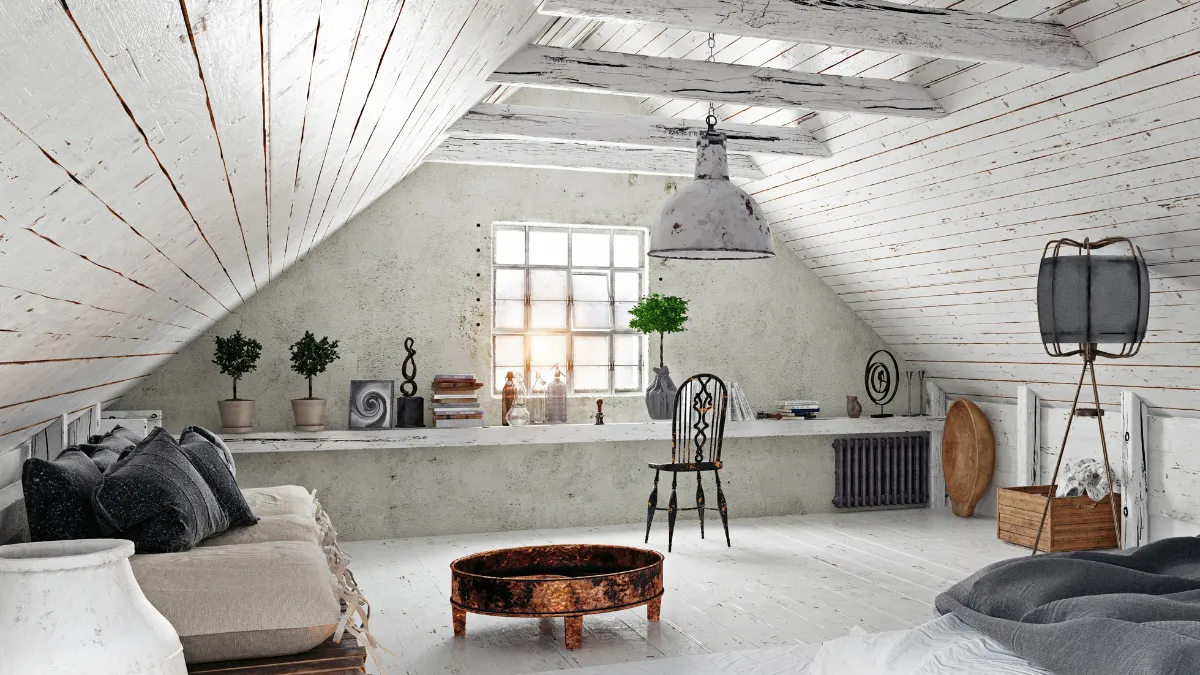
Gloomy Attic Decor Mistakes Making Low Ceiling Spaces Feel Claustrophobic
Is your attic bonus room feeling dark, cramped, and claustrophobic? It’s probably not the low ceiling — it’s these common decor mistakes. From using heavy, dark furniture and blocking natural light with thick curtains to painting the ceiling a dark color and ignoring vertical space, small choices make your attic feel like a cave.
Here’s exactly what to avoid and how to fix it with light colors, low-profile furniture, and smart lighting to instantly make your low-ceiling attic feel bright, airy, and twice as big.
A Gloomy Attic Is Not an Architecture Problem — It Is a Decor Problem
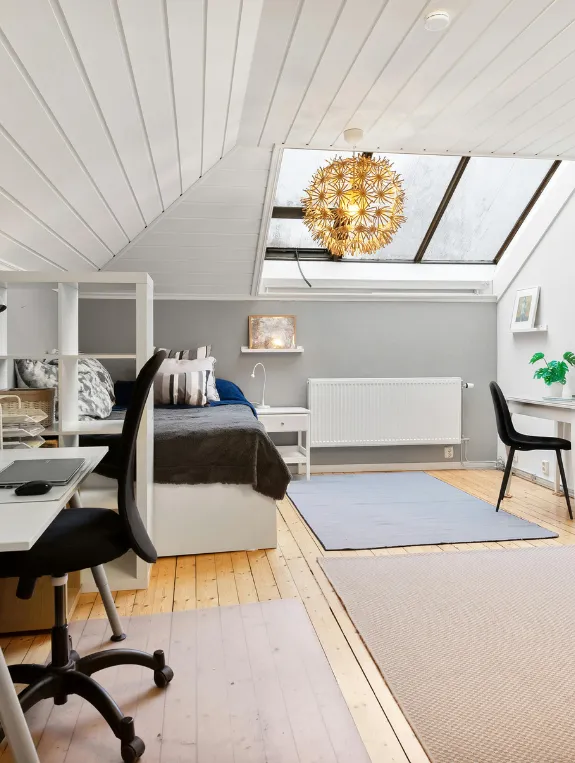
Most Attic Rooms Feel Gloomy Because of Specific Decor Choices That Can Be Changed This Weekend
If your attic feels more like a cave than a room, it’s probably not the ceiling height’s fault. Dark paint, the wrong curtains, heavy furniture, and a single ceiling light are specific choices that create that claustrophobic feeling, and every one of them can be changed. Fix these, and the exact same architecture can feel like a completely different room.
Attic Rooms Are Actually Among the Most Light-Filled Spaces When Decor Decisions Work With the Architecture
Slanted ceilings can reflect light from multiple angles, roof windows bring in unobstructed sky light, and unusual angles create genuinely interesting light patterns. An attic bedroom that works with its architecture instead of against it is anything but gloomy.
The Gloomy Attic Mistakes at a Glance
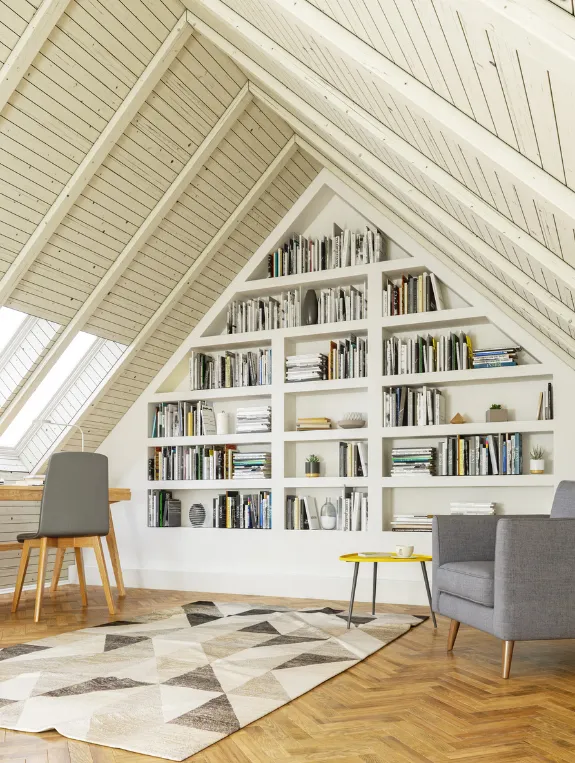
The Claustrophobic Attic Decor Mistake List
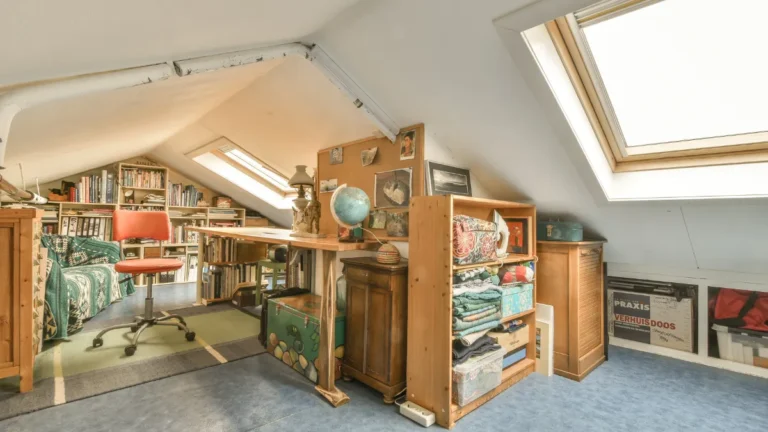
- Dark paint on walls, ceiling, and beams, absorbing every bit of available light
- Heavy lined curtains on roof or skylight windows, blocking the room’s only real light source
- One single overhead light at the peak, casting harsh shadows
- Tall dark furniture placed under the lowest ceiling section
- Dark rugs that absorb floor-level light
- Clutter on every surface, which feels physically oppressive in a low ceiling room
- No mirrors to reflect and multiply available light
- Heavy textiles in dark tones piled on every surface
The Single Mistake Creating the Most Claustrophobic Attic Feeling
Out of everything on this list, dark paint on both the walls and ceiling causes the most damage. In a low ceiling attic room, dark ceiling paint makes the ceiling feel like it’s pressing down on you, while the same room painted warm white on the ceiling feels dramatically taller and more open right away.
Mistake 1 — Dark Paint on the Ceiling That Makes It Press Down
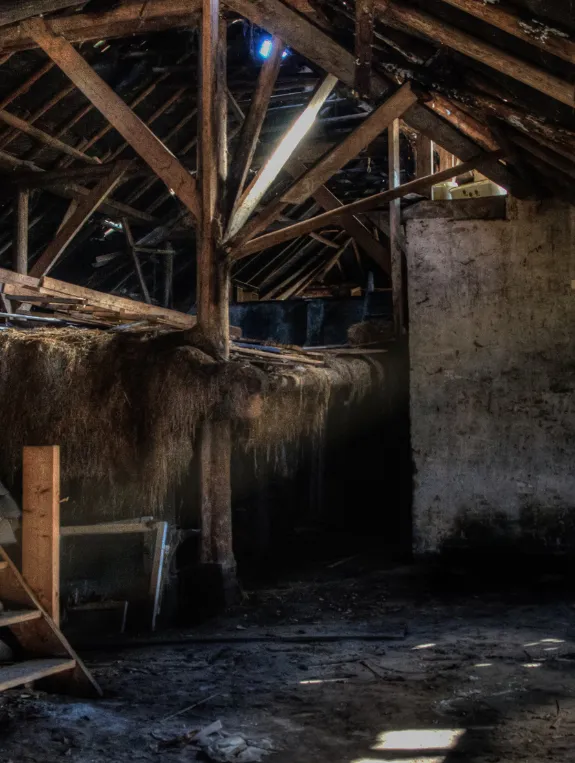
Why Dark Ceiling Paint Is the Most Damaging Attic Decor Choice
Dark ceiling colors visually advance toward the viewer, which can create a dramatic effect in a standard-height room but creates a genuinely oppressive feeling in a low attic ceiling. It’s the same visual effect that makes mines and basements feel so heavy overhead.
The Ceiling Color That Makes Attic Rooms Feel Tallest
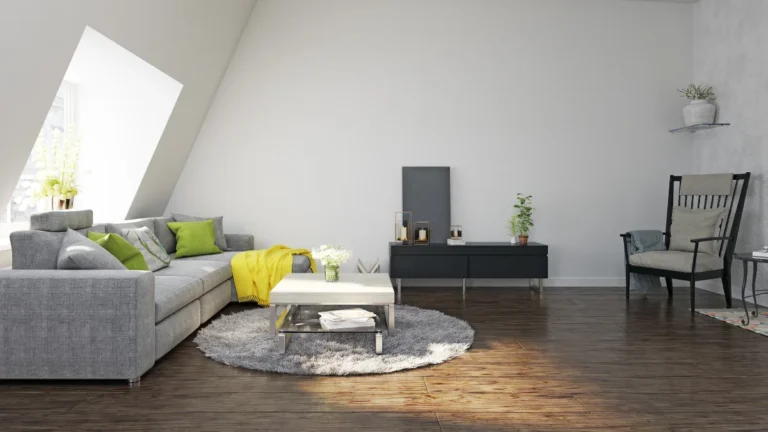
Bright warm white or a very pale cream on the ceiling makes it recede visually, since the lightest possible surface in the room draws the eye upward and outward. The same low ceiling genuinely feels taller once it becomes the brightest surface in the space.
The Wall-to-Ceiling Transition That Maximizes Height Perception
Painting the walls warm white and the ceiling a slightly brighter white creates upward visual movement, since the eye naturally travels toward the brighter surface. That small contrast is enough to make the room feel noticeably taller than it actually is.
Mistake 2 — Curtains That Block the Only Natural Light Source
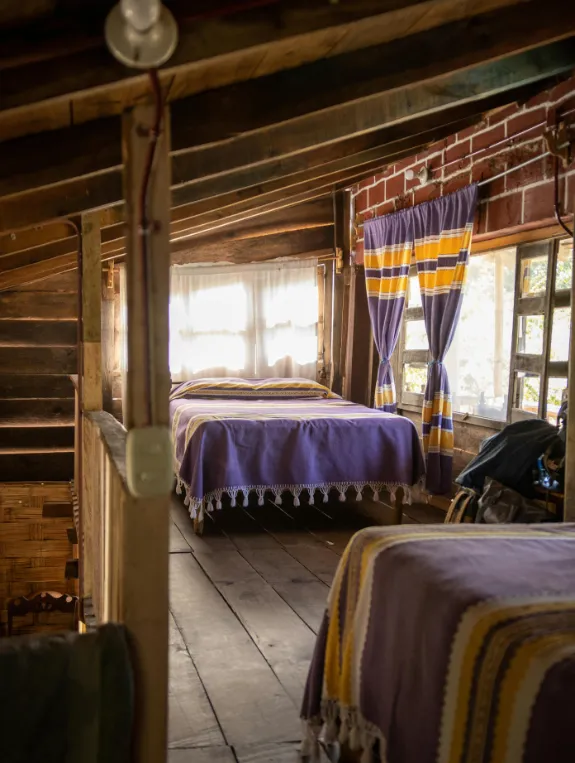
Why Heavy Curtains on Roof Windows Are the Most Damaging Attic Lighting Mistake
A Velux or roof window receives unobstructed sky light, which is genuinely one of the most powerful natural light sources available in any room. Heavy curtains blocking that light are what create the cave-like effect in the first place, essentially throwing away the room’s best asset.
The Light-Filtering Blind That Provides Privacy Without Blocking Light
A day-night roller blind, translucent during the day for privacy while still letting light through, with a blackout panel available for sleeping, keeps the light while still covering the privacy need. It’s a genuinely better solution than heavy curtains in almost every case.
Removing the Curtain Entirely for Low Traffic Attic Bedrooms
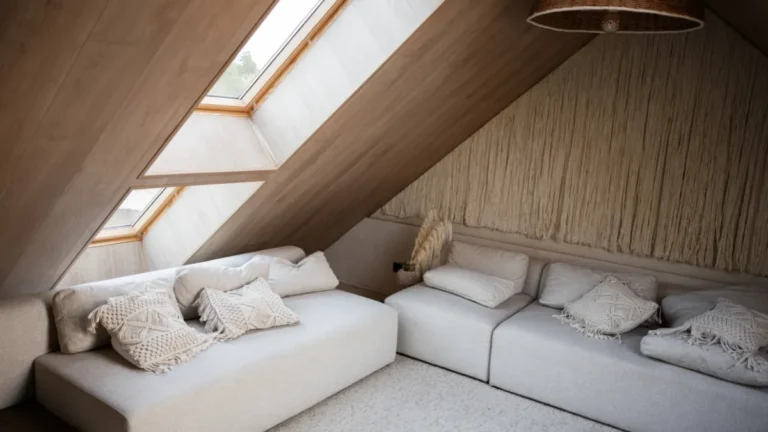
Where privacy allows, skipping any window treatment at all on the roof windows lets in the maximum possible natural light. An attic bedroom with nothing blocking its sky access tends to stay bright throughout the entire day.
Mistake 3 — Single Ceiling Light That Creates Harsh Shadows
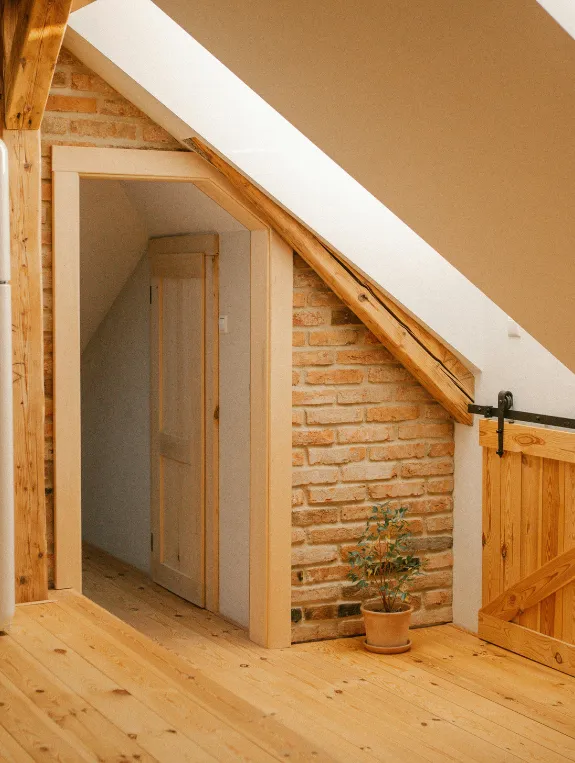
Why One Ceiling Light in an Attic Room Creates Maximum Claustrophobia
A single ceiling light at the peak throws harsh downward light, and shadows fall steeply under the slope of the roof. Those heavy shadows in the corners end up making the room feel smaller than it actually is, since the unlit areas start to read almost like walls.
Multiple Warm Sources at Different Heights That Eliminate Shadows
A warm floor lamp in each corner, wall sconces beside the bed, and LED strips along the base of the beams together eliminate nearly every shadow in the room. Four warm sources at different heights can make an attic feel three times larger simply because there are no false shadow-walls left to shrink it.
The Layered Lighting That Works With Attic Architecture
Low-level floor lamps fill the knee wall areas, mid-level sconces light the bed zone, and beam-level LED strips illuminate the ceiling structure, with the overhead light reserved only as backup. This three-level system is really the layout that works best with attic architecture specifically.
Mistake 4 — Heavy Dark Furniture Making Low Ceilings Feel Lower
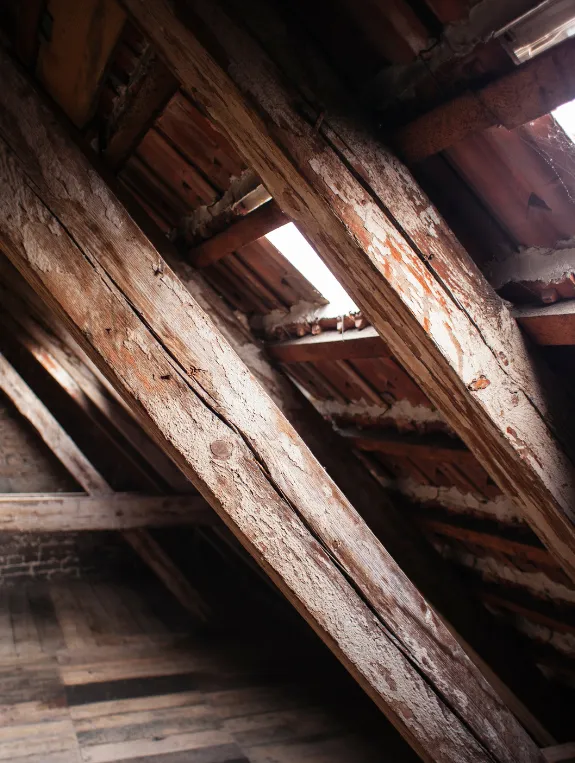
Why Dark Furniture Under a Slanted Ceiling Creates Visual Compression
Dark furniture reads as visually heavy and large, and under a low attic ceiling, that visual weight makes the ceiling itself feel even lower. A dark wardrobe under the slope can create a genuinely claustrophobic sandwich between the heavy furniture and the pressing ceiling above it.
Light or Natural Wood Furniture That Recedes in Low Spaces
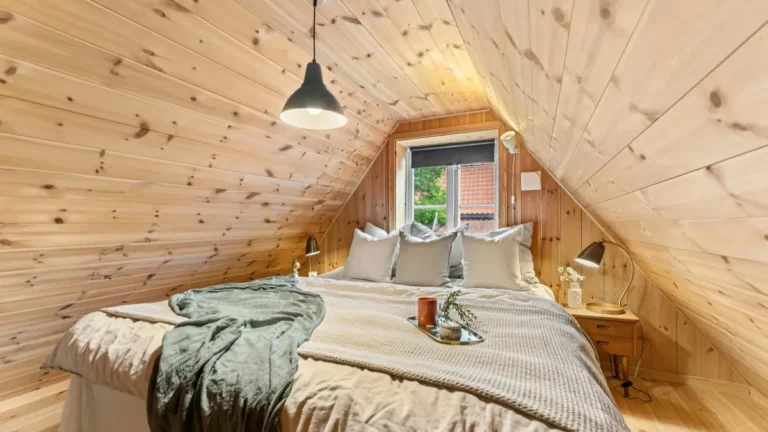
Warm honey wood or cream-painted furniture recedes visually in a way dark furniture simply can’t. The exact same sized piece feels physically smaller in light wood than it would in dark ebony, which makes this an easy swap that opens up the whole room without changing the furniture’s actual size.
The Low-Profile Furniture Switch That Adds Perceived Ceiling Height
Keeping every piece of furniture under about 30 inches tall keeps the sightline low throughout the room. As furniture height decreases, the perceived ceiling height genuinely increases, which makes this principle essential in almost every attic bedroom.
Mistake 5 — No Mirrors to Multiply Available Light
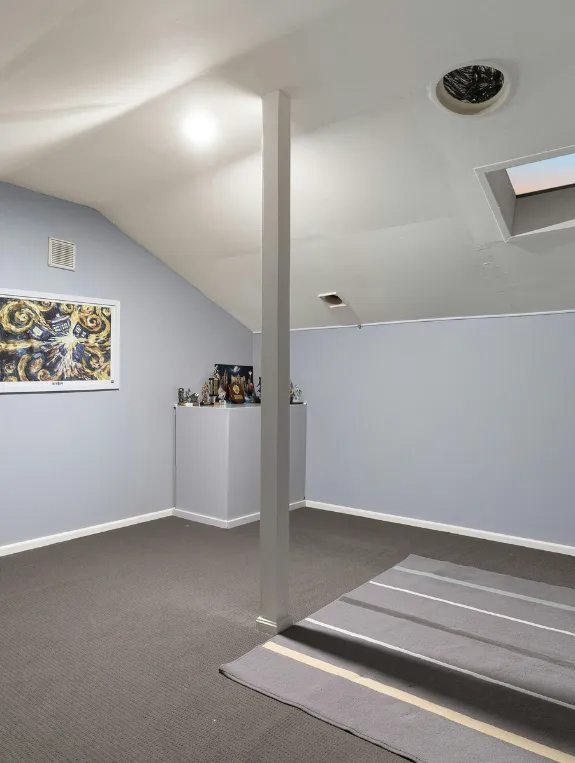
Why Mirrors Are the Most Neglected Attic Bedroom Upgrade
An attic bedroom without a mirror is skipping the single most powerful light multiplication tool available. A large mirror in a low ceiling room can effectively double the perceived space and triple the apparent light, which makes this one of the most overlooked opportunities in most gloomy attics.
The Mirror Position That Opens a Gloomy Attic Most Dramatically
A large mirror on the flat gable end wall, positioned opposite the main window, catches the full incoming light and reflects it across the entire room. Sometimes a single well-placed mirror is genuinely all it takes to transform a gloomy attic completely.
Multiple Small Mirrors on the Slanted Ceiling Section
A collection of small mirrors affixed to the angled ceiling section catches light from multiple angles at once, turning the slope from a shadow-caster into a light-distributor. It’s a creative detail that puts the ceiling’s odd shape to actual use.
The Gloomy Attic Fix Sequence That Works in One Weekend
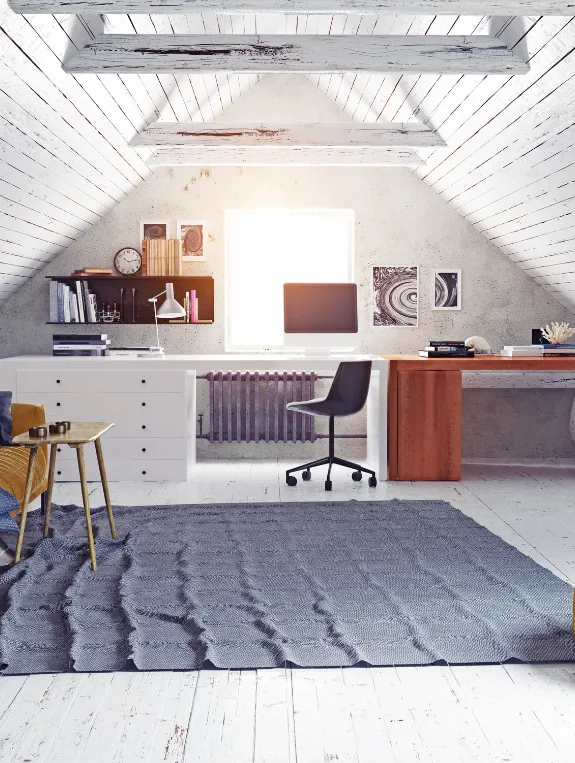
Saturday Morning — Paint and Mirror
Repainting the ceiling in bright warm white, if that’s an option, and positioning one large mirror opposite the window are the two changes that deliver the most dramatic improvement to how light-filled the attic feels.
Saturday Afternoon — Lighting and Curtain Swap
Replacing a single ceiling light with floor lamps and wall sconces, along with swapping heavy curtains for light-filtering options, eliminates most of the shadows that were making the room feel smaller than it is.
Sunday — Furniture and Textile Edit
Swapping out dark furniture pieces for lighter alternatives or light slipcovers, replacing a dark rug with light jute or cream, and clearing dark textiles off every surface finishes the job by removing the last of the collective darkness in the room.
Where to Find Gloomy Attic Fixes
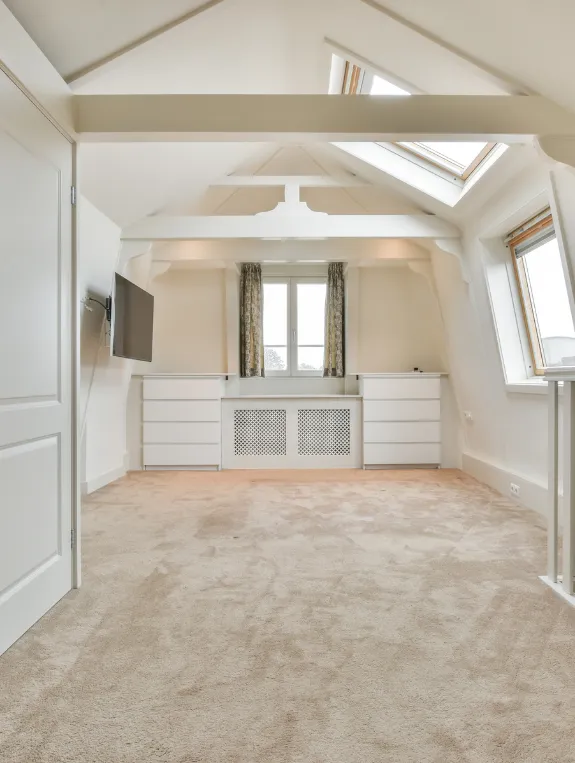
Best Sources for Light-Colored Attic Furniture and Textiles
IKEA carries light wood furniture and cream textiles that work well here, Amazon has floor lamps, sconces, and mirrors in a wide range of styles, and Target offers light rugs and pale throw blankets at accessible prices.
Best Sources for Lighting Solutions
Amazon covers warm LED strips, wall sconces, and smart bulbs in one place, Wayfair has floor lamps in heights well-suited to attic ceilings, and Home Depot is reliable for paint in warm white tones.
Conclusion
A gloomy attic is always a decor problem, never an architecture problem. A white ceiling, a mirror positioned opposite the window, multiple warm light sources, lighter furniture, and lighter textiles are the five fixes that can transform the most oppressive attic bedroom into the brightest, most welcoming room in the entire house.
The best place to start is this weekend with white ceiling paint and one large mirror, roughly $70 total, since that’s genuinely enough to begin the transformation toward the beautiful room the attic was always meant to be.