10 Minimalist Apartment Living Tips For Small Spaces
Living in a tiny apartment and it feels cluttered no matter what you do?
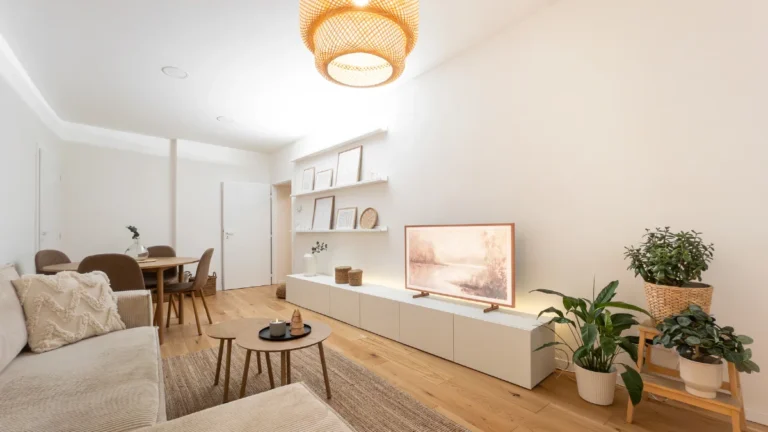
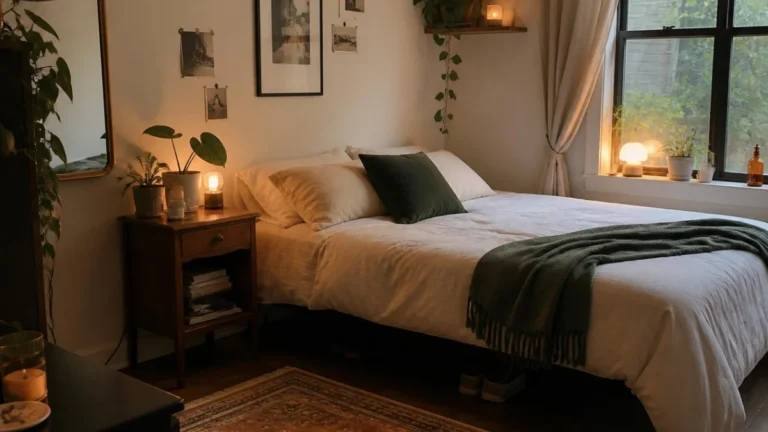
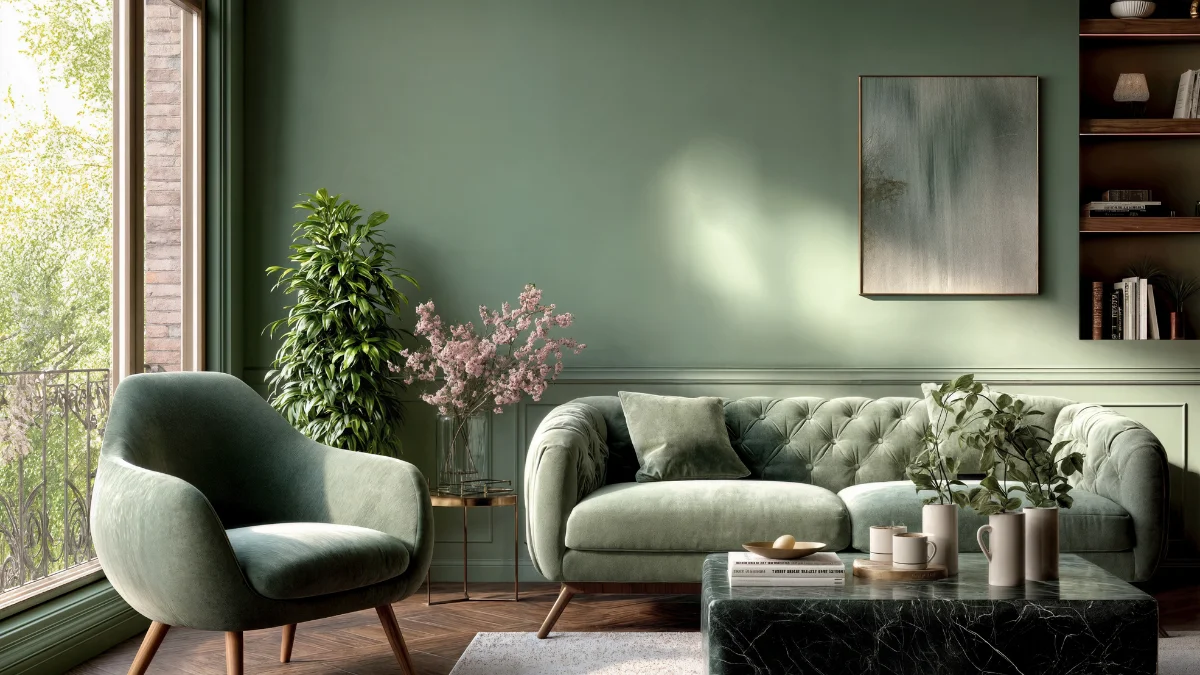
Minimalist living is the secret to making small spaces feel calm, big, and actually boujee.
Keep only what you love and use, use hidden storage, light colors, and one big statement piece instead of ten small ones. Stick to clean lines, soft textures, and tons of natural light to make it feel airy and expensive.
I’m sharing my 10 favorite minimalist tips that make your small apartment feel peaceful, put-together, and so much bigger instantly.
Minimalism in a Small Apartment Is Not About Having Less — It Is About Having Exactly Enough
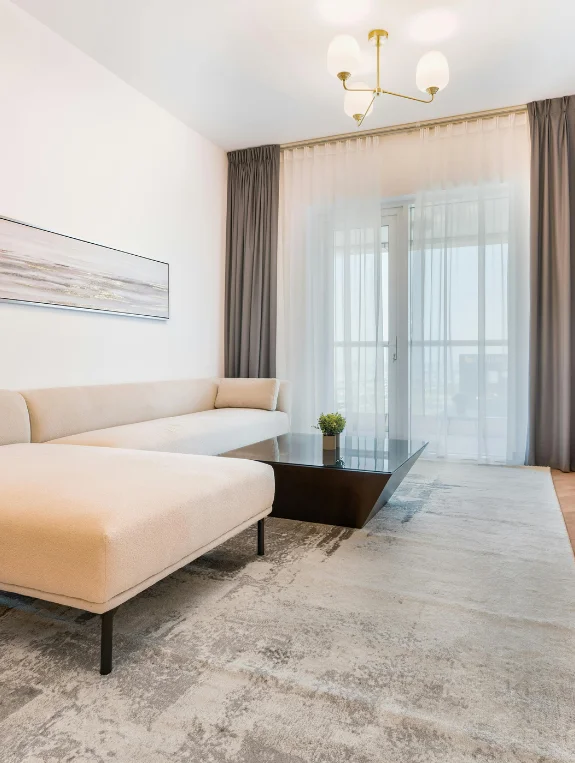
Most people hear minimalism and think sacrifice. Empty rooms. Nothing on the walls. Cold and sterile.
That’s not what this is. This is about having exactly the right things — and discovering that the right amount of anything feels dramatically better than the wrong amount of everything.
The Small Apartment Is Actually the Perfect Minimalist Space Because Every Inch Must Earn Its Place
A large home can absorb clutter invisibly. A small apartment cannot.
That constraint isn’t a limitation — it’s a gift. The small apartment forces the intentionality that minimalism requires and rewards it with a space that feels dramatically calmer, larger, and more personal than any cluttered small apartment ever could.
These Tips Are Not About Sacrifice — They Are About the Discovery That Less Genuinely Feels Better
Every person who has decluttered a small apartment and lived these tips reports the same thing.
The apartment feels larger, calmer, more beautiful, and more personal than before — without buying a single new thing. This post is about creating that experience for yourself.
The Minimalist Living Tips That Transform Small Apartments
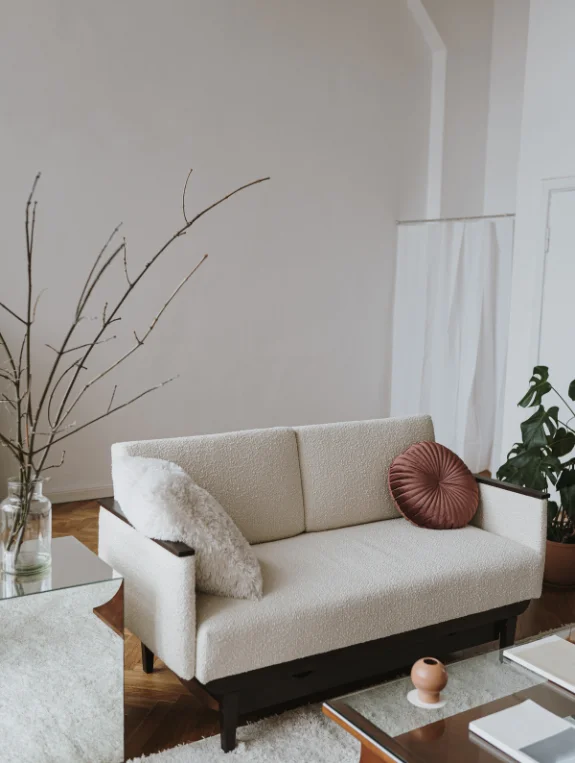
Here’s the complete list — at a glance.
- One in one out applied to every category — nothing enters without something leaving
- Surfaces cleared to three items maximum at all times — the cleared surface is the foundation
- One color palette throughout the entire apartment — visual minimalism creates spaciousness
- Furniture that serves double duty in every room — storage ottomans, fold-out desks, beds with drawers
- A monthly declutter of one category — clothes one month, books next, kitchen after that
- Morning surface reset as a non-negotiable daily habit — five minutes every morning before leaving
- Quality over quantity in every purchase category — one beautiful lamp instead of three mediocre ones
- Digital declutter that matches the physical — unsubscribe from what you no longer love
- Vertical storage that respects the floor — everything possible stored up not out
- Seasonal wardrobe rotation — current season only in accessible storage
The Minimalist Living Tip That Creates the Most Immediate Impact
Clear every surface in the apartment to three items maximum. Do it right now.
Feel how immediately and dramatically the apartment changes. That single action is the clearest proof that minimalism works in small spaces — and the most convincing argument for everything that follows.
The Daily Minimalist Habits That Maintain the Small Space
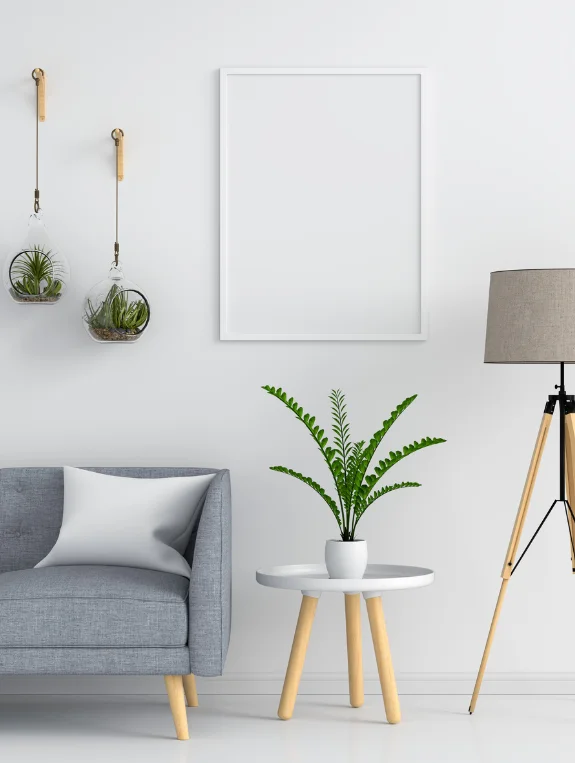
The Five Minute Morning Reset That Prevents All-Day Clutter
Before leaving every morning — surfaces cleared, bed made, kitchen wiped, nothing on the floor.
Five minutes that prevent the slow accumulation that makes small apartments feel chaotic by evening. The five minutes invested every morning saves an hour of frustration every weekend. That trade is always worth it.
The One In One Out Rule That Prevents Gradual Overcrowding
Every time something new enters the apartment, something old leaves.
New book means one old book donated. New kitchen item means one old one given away. This rule keeps the apartment at the same volume permanently — and prevents the slow creep of accumulation that quietly defeats minimalism in small spaces over months and years.
The Evening Tidy That Takes Four Minutes and Preserves Morning Peace
Everything returned to its designated home. Mail in the tray. Keys on the hook. Dishes done.
The four-minute evening tidy means the morning reset takes one minute instead of five. The compound effect over weeks and months is a continuously calm small apartment that never reaches the tipping point where everything feels overwhelming.
The Furniture Choices That Support Minimalist Small Space Living
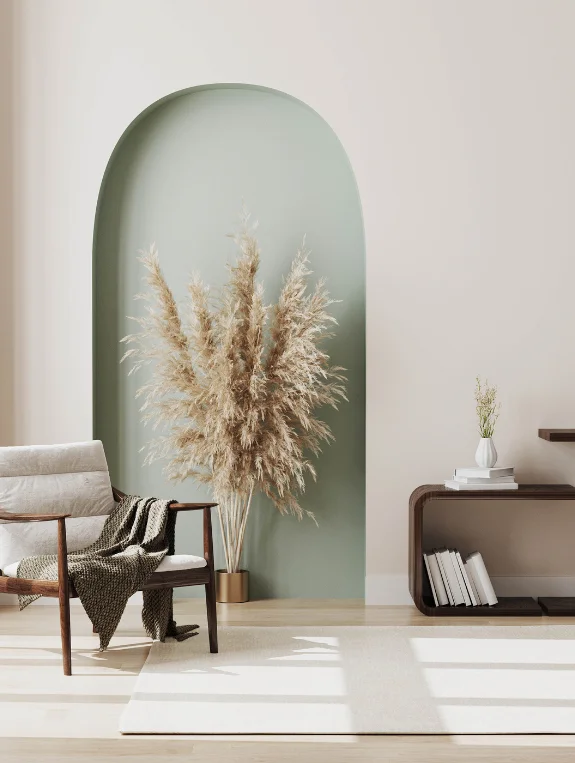
Every Furniture Piece Must Serve at Least Two Functions
Storage ottoman as coffee table, footrest, and storage. Bed with built-in drawers that eliminates the dresser. Fold-out desk that uses zero floor space when closed. Sofa with storage arm that holds remotes and small items.
Furniture that does two jobs eliminates the furniture that would do one. In a small apartment, every piece that earns two functions means one fewer piece cluttering the floor.
Furniture in Light Neutral Tones That Make the Small Space Feel Open
Cream, warm white, or warm light gray throughout.
Light tones recede visually and make rooms feel larger. Dark furniture in small spaces creates visual weight that makes the room feel smaller and heavier.
The minimalist small apartment uses light furniture consistently — not as a style choice but as a spatial strategy.
The Furniture Count That Actually Works in Different Small Apartment Rooms
Living room — sofa plus one accent chair plus one coffee table or ottoman. Bedroom — bed plus two nightstands plus one dresser maximum. Kitchen — table plus two or four chairs.
Knowing the correct furniture count prevents the over-furnishing that defeats small space minimalism before anything else has a chance to work.
The Decluttering Practice That Keeps Small Spaces Manageable
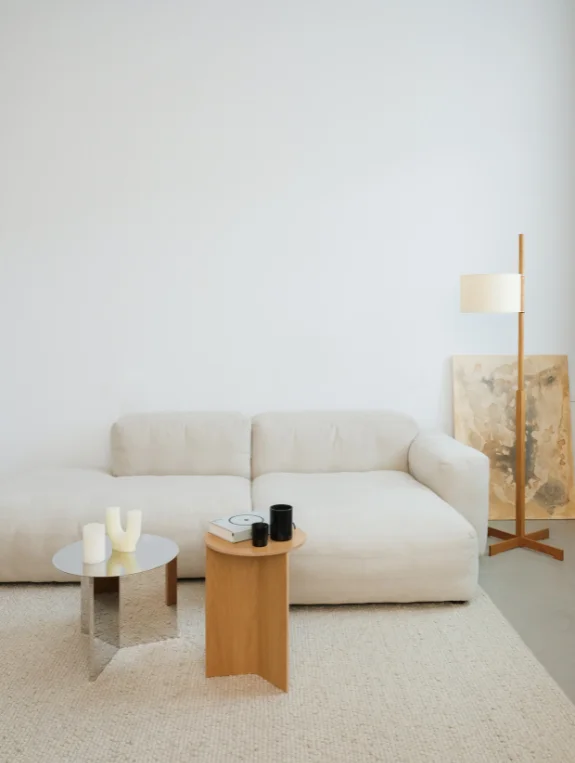
The Monthly Category Declutter That Prevents Overwhelm
January — clothes. February — books and papers. March — kitchen. April — bathroom. May — miscellaneous.
The monthly category focus makes decluttering manageable and prevents the overwhelming whole-apartment purge that most people abandon before completing. One category per month is sustainable. One whole apartment at once almost never is.
The Question That Makes Every Decluttering Decision Easy
Does this item serve a genuine purpose in my current life — not a past life, not a future life — my actual daily life right now?
If the answer is no or maybe, the item leaves. The current life question removes the guilt from decluttering things that used to matter but no longer do. It makes the decision about the present — which is the only life actually being lived.
The Donation Box Method That Captures Items as They Are Identified
A dedicated donation box in the closet — when an item is identified for donation it goes immediately into the box. When the box is full it leaves.
The donation box prevents identified items from drifting back into the apartment. Once something is in the box it’s mentally gone — and that mental release is what makes the process actually work long term.
The Visual Minimalism That Makes Small Apartments Feel Calm
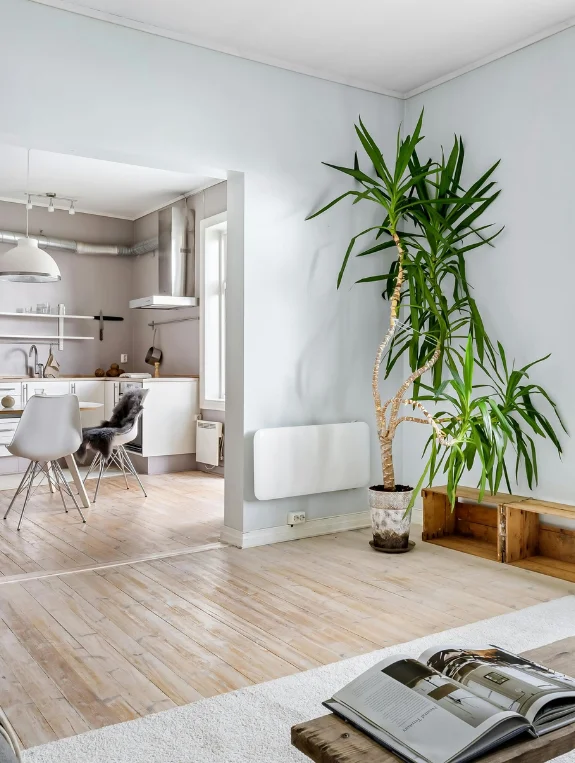
One Color Palette Throughout That Creates Visual Continuity
Warm white walls throughout. Cream and natural wood furniture. One soft accent color in small doses.
The continuous palette makes the eye travel smoothly through the apartment without stopping on color changes. That visual continuity makes the small apartment read as one calm unified space rather than a collection of separate small rooms.
Empty Space Treated as a Design Choice Not a Problem
An empty wall, a cleared shelf, bare counter space — in a minimalist small apartment these are not problems waiting to be filled.
They’re breathing room that makes everything else look better. Protecting empty space is as important as choosing what fills the space. The empty space is doing active design work — let it.
The Art and Object Editing That Creates Intentional Display
One art piece per wall. Three objects per shelf. One beautiful thing per surface.
This editing makes every displayed item look chosen and important. In a minimalist small apartment, every visible object should be there because it genuinely adds to the space — not because it had nowhere else to go.
The Storage Solutions That Support Minimalist Small Space Living
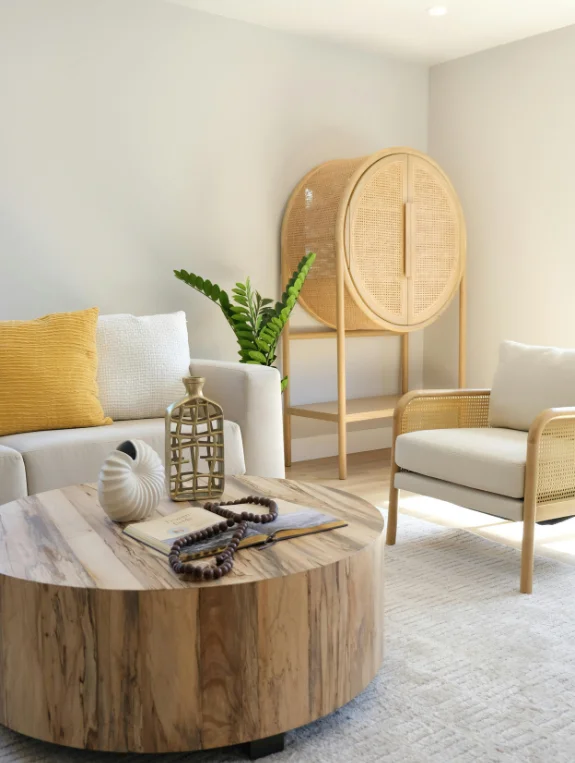
Vertical Storage That Keeps the Floor Completely Clear
Floating shelves from floor to near ceiling. Over-door organizers on every door. Wall-mounted hooks for everything possible.
In a minimalist small apartment the floor is sacred space. Everything that can live vertically should live vertically. A clear floor makes the apartment feel dramatically larger — even when the total amount of stuff hasn’t changed at all.
The Hidden Storage That Maintains Visual Minimalism
Baskets with lids for items that need to be accessible but not visible. A storage ottoman for throws and extra items. Under-bed flat boxes for seasonal items.
Hidden storage is what allows visual minimalism to be maintained in a space that actually functions for real daily life. The visual calm and the practical function aren’t competing — hidden storage makes both possible simultaneously.
The Seasonal Wardrobe Rotation That Halves Closet Pressure
Current season clothes accessible. Past and future season clothes in vacuum bags under the bed.
The closet holds only what is being worn right now. The wardrobe rotation is the single most effective storage decision available to small apartment minimalists — and the one that creates the most immediate, dramatic relief.
The Mindset Shifts That Make Minimalist Small Space Living Sustainable
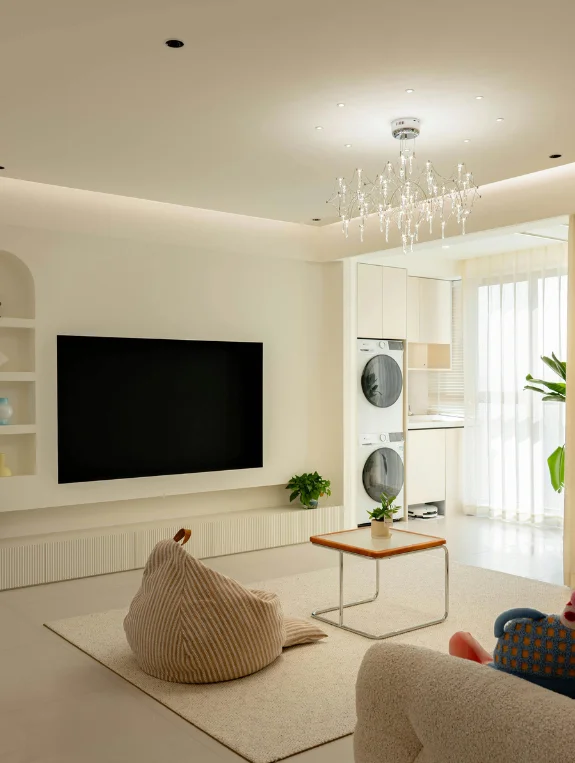
Shopping Slowly — Waiting One Month Before Any Non-Essential Purchase
If you still want something after 30 days it belongs in your life. If you forgot about it, it was an impulse.
The one-month pause prevents the impulse purchases that gradually fill small apartments with things that don’t serve the life being lived. It costs nothing, requires no willpower in the moment, and saves more money than any budget system ever will.
Redefining Enough — The Apartment With Exactly What You Need Feels More Abundant
A small apartment with the right 20 items in each room feels spacious and complete.
The same apartment with 50 items in each room feels cramped and lacking. Minimalism reveals that enough is not about quantity — it’s about fit. The right things in the right amounts create a feeling of abundance that overcrowding never does.
Celebrating the Empty Space That Minimalist Living Creates
The cleared counter, the empty wall, the visible floor — these are the rewards of minimalist apartment living.
Training yourself to see emptiness as success rather than absence is the mindset shift that makes the practice sustainable. Empty space is not something that needs fixing. It’s what the work of minimalism looks like when it’s working.
Where to Find Minimalist Living Resources and Products
Best Sources for Minimalist Storage That Maintains the Aesthetic
IKEA for minimalist storage systems, floating shelves, and clean furniture that forms the backbone of small space organization.
Amazon for under-bed storage and vertical organizers at accessible prices. Container Store for professional quality storage that actually holds up through years of daily use.
Best Sources for Minimalist Apartment Decor That Supports the Practice
Quince for quality minimalist bedding at honest prices that last for years. West Elm for simple quality furniture built around clean lines and natural materials.
Etsy for intentional art pieces in neutral tones — one meaningful print chosen slowly is always better than ten prints chosen quickly.
Conclusion
The minimalist small apartment is not a sacrifice. It’s the discovery that the right amount of anything feels like more than the wrong amount of everything.
Daily habits, monthly decluttering, visual continuity, vertical storage, seasonal rotation, and the one-month shopping pause — these six practices create the minimalist small apartment that feels spacious, calm, and completely personal.
Start today by clearing every surface to three items and sitting with the result for 24 hours.
That experience — the cleared apartment — is the most convincing argument for minimalist small space living. Feel it first and the daily habits become easy. The rest of the practice builds naturally from that single afternoon of clarity.