Moody Apartment Living Room That Celebrates Darkness Instead of Fighting It
A moody apartment living room works best when you lean into darker colors instead of trying to brighten every corner.
Use deep shades like charcoal, espresso, olive, or navy, then balance them with warm lamps, soft fabrics, wood tones, and a few lighter accents.
You don’t need a naturally dark room to make this style work. The right layers of lighting and texture can make a darker living room feel intimate, comfortable, and intentionally cozy rather than gloomy.
Why Moody Spaces Feel Like Home to People Who Understand Them
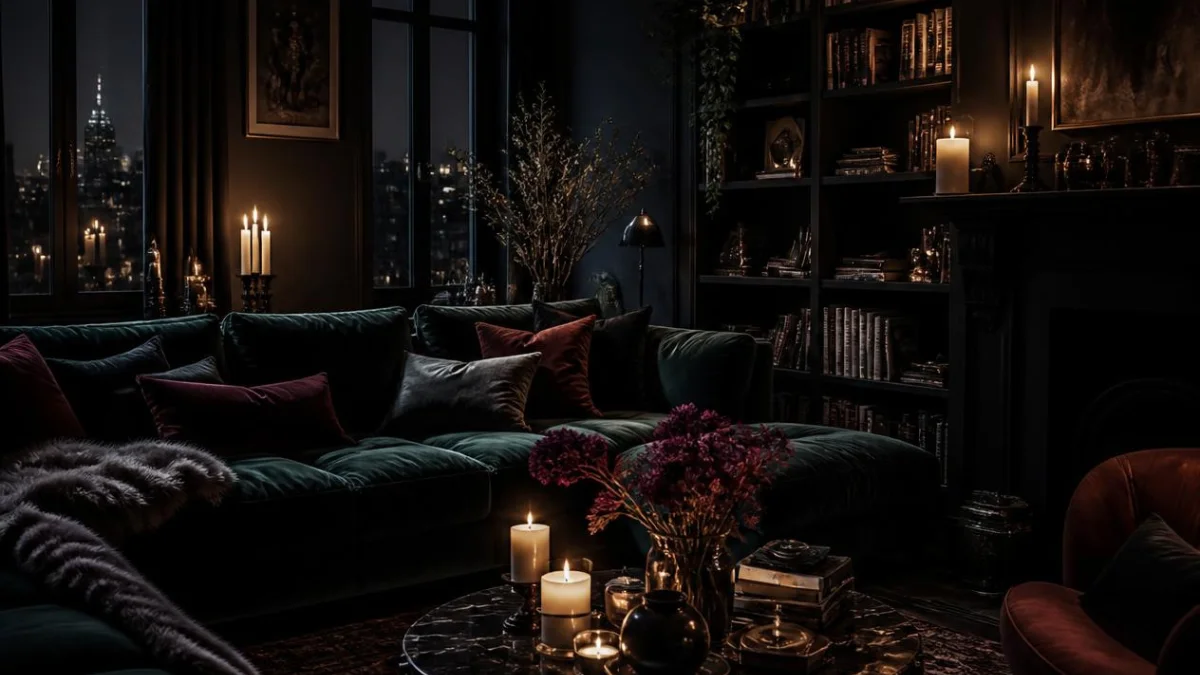
Most people design around daylight. You design around evening. Most people fight darkness. You celebrate it. A moody living room isn’t depressing. It’s my intention.
This is design that honors a different part of your day.
A Moody Living Room Is Not About Being Dark It Is About Creating Intentional Atmosphere
Most people design around daylight and natural brightness. A moody aesthetic celebrates low light, shadows, and that feeling of being wrapped in warmth and privacy.
This is design that honors a different part of your day and personality. Evening becomes your time. Darkness becomes your sanctuary.
The Difference Between a Dark Room That Is Depressing and One That Is Deeply Intentional
It is all about warmth, intention, and the specific choices made within darkness. A moody living room is carefully designed to feel intimate and beautiful—not gloomy and depressing. The difference is warmth. Cold darkness is sad. Warm darkness is sublime.
The Elements That Create Genuine Moody Atmosphere
Here are the elements that create true moody design—intentional, warm, never depressing.
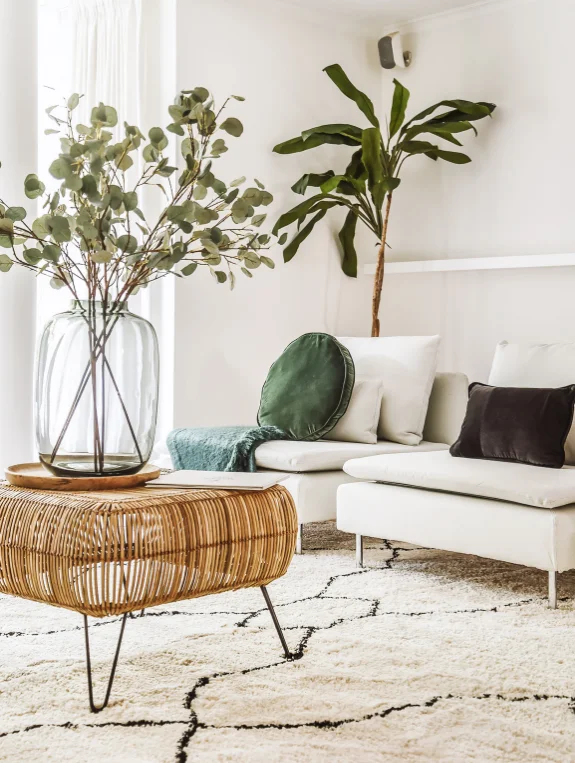
The Complete Moody Living Room List:
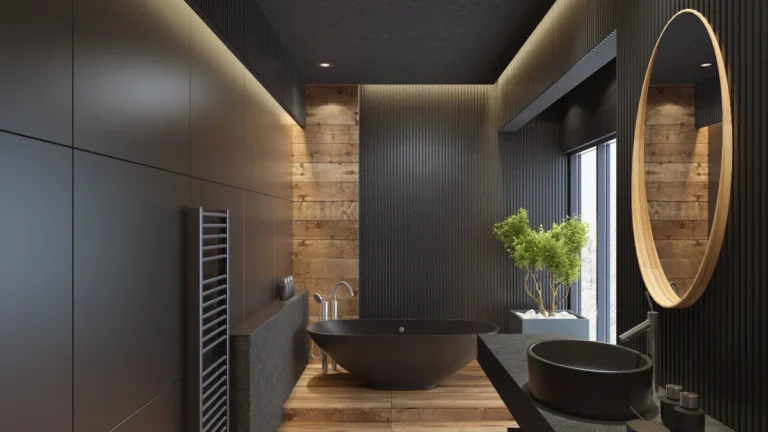
- Deep warm wall colors — terracotta, charcoal, warm black, forest green, navy blue — colors with warmth, not coolness
- Warm layered lighting at low intensity — multiple sources, all at 2700K, all dimmed to 40–60 percent brightness
- Rich textiles in dark colors — velvet, leather, linen, charcoal, or deep jewel tones
- Wood furniture in deep warm tones — walnut, dark oak, warm mahogany — wood that glows in warm light
- Warm metal finishes — brass, copper, warm gold — never chrome or silver in a moody space
- Art in deep tones — dark moody paintings, photographs with shadow, landscapes with drama
- Candles everywhere at different heights — real or high-quality LED; the flicker and warmth do the work
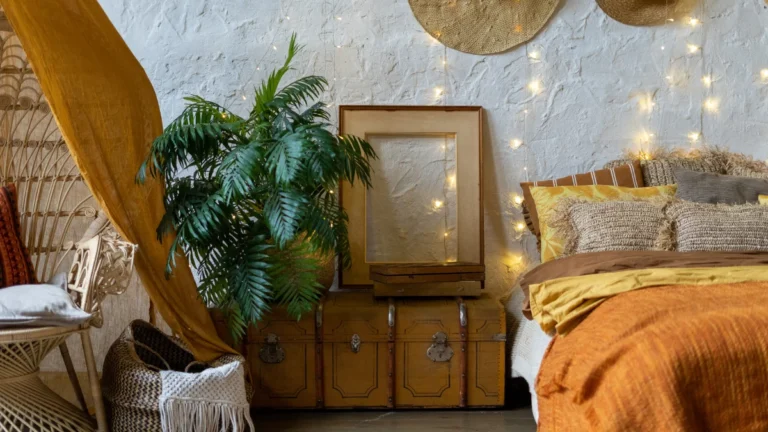
- Rich botanicals and dark foliage plants — dark green leaves, monstera, fern, anthurium — living things that match the mood
- Textured surfaces that catch warm light — velvet upholstery, rough plaster wall, interesting ceiling detail
- Minimal bright pops of color — moody does not mean no color; it means controlled color choices that read intentional
The Most Important Moody Design Rule
Warm light always. Never cool light, even in darkness. A moody room under cool light feels depressing, not intentional. Warmth is what transforms darkness from sad to sublime. This single rule changes everything.
The Psychology of Moody Spaces That Science Actually Explains
This isn’t just aesthetics. Your nervous system responds to moody design.
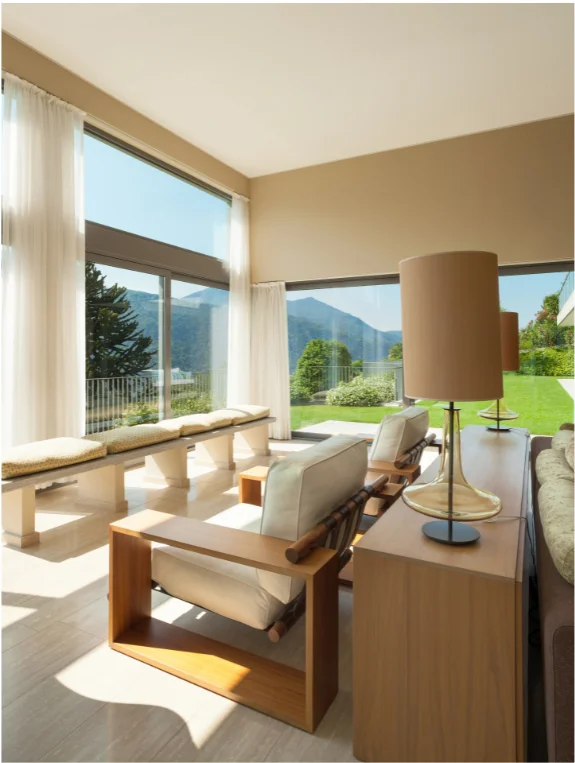
Why Your Brain Feels Calmer in Darker Spaces With Warm Light
Darkness lowers your cortisol, your stress hormone. Warm light increases serotonin and oxytocin, bonding hormones.
Together, dark plus warm equals a deeply relaxed nervous system. This isn’t sentiment. It’s neurology. Your body knows it’s safe in moody spaces.
The Circadian Rhythm Relief of Designing Around Evening Light
Most people design around daytime. Your nervous system is overstimulated by brightness.
A moody space designed around evening light patterns actually helps your body relax and prepare for rest. You’re not fighting your circadian rhythm. You’re honoring it.
The Intimacy Factor That Moody Spaces Create Naturally
Dim light makes people feel closer together, makes conversations deeper, makes the space feel safe and private. Moody design is not antisocial. It is actually social in a specific way—the way that creates real connection, not surface noise.
How to Build a Moody Living Room Without It Feeling Depressing
The key is warmth. Keep warmth consistent and moody never becomes depressing.
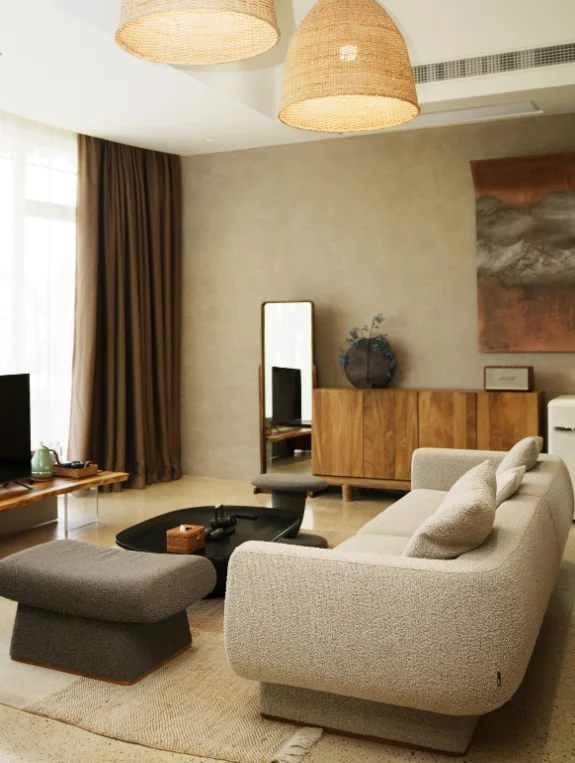
The Color Foundation That Supports Moody Without Sadness
Deep warm colors—not cool colors—terracotta, deep olive, warm charcoal, warm navy. These colors have warmth within the darkness that keeps the space from feeling bleak. Warmth in the color itself prevents sadness.
The Warmth That Saves Moody From Depressing
Warm wood, warm metals, warm textiles, warm light. Every single choice leans warm even though the overall aesthetic is dark. This consistency of warmth is what makes moody feel intentional, not sad. One cool choice breaks the spell.
The Light Intensity That Stays Cozy While Keeping Mood Intact
Lights dimmed to 50–60 percent, not 20 percent. Visible light that warms the space, not darkness that hides it. Moody means low light and warmth together. Never moody means dim and cold. The visible warmth is essential.
The Room-by-Room Moody Living Room Building Blocks
Here’s how to build moody, room by room.
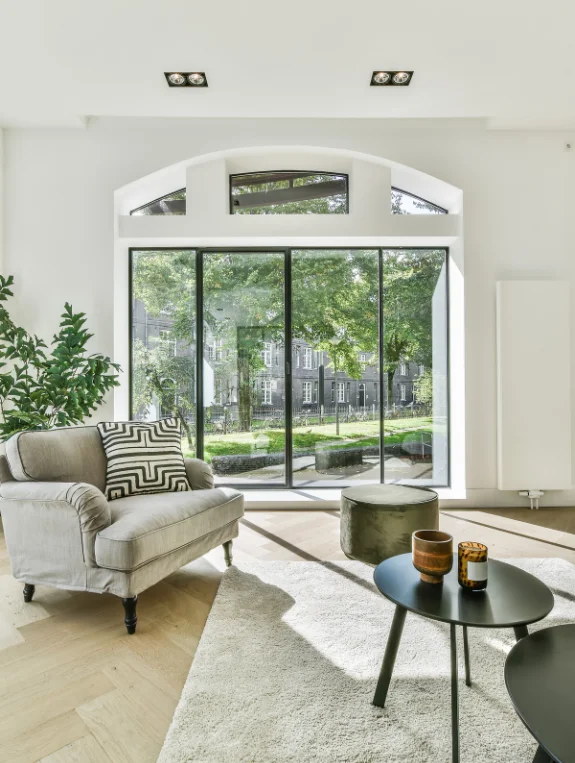
The Wall Color That Sets the Entire Moody Tone
A deep warm color on one wall or all walls, depending on apartment size—terracotta, charcoal, forest green, warm navy. This color becomes the backdrop everything else plays against. Wall color is the foundation. Choose it first.
The Furniture That Anchors Moody Without Overwhelming
A rich dark sofa in velvet or leather with warm wood arms, a dark coffee table in walnut or warm wood. These pieces have mass and intention. They ground the moody feeling. Furniture matters as much as color.
The Lighting Layers That Complete the Moody Setup
Brass floor lamp in the corner dimmed to 50 percent, candles on surfaces at varying heights, a table lamp on the side table dimmed. The layering creates atmosphere, not just visibility. Three light sources, three different heights, all warm.
The Moody Aesthetic Without Feeling Like a Cave
Balance is key. Moody doesn’t mean completely dark.
Why Reflective Surfaces Matter Even in a Moody Space
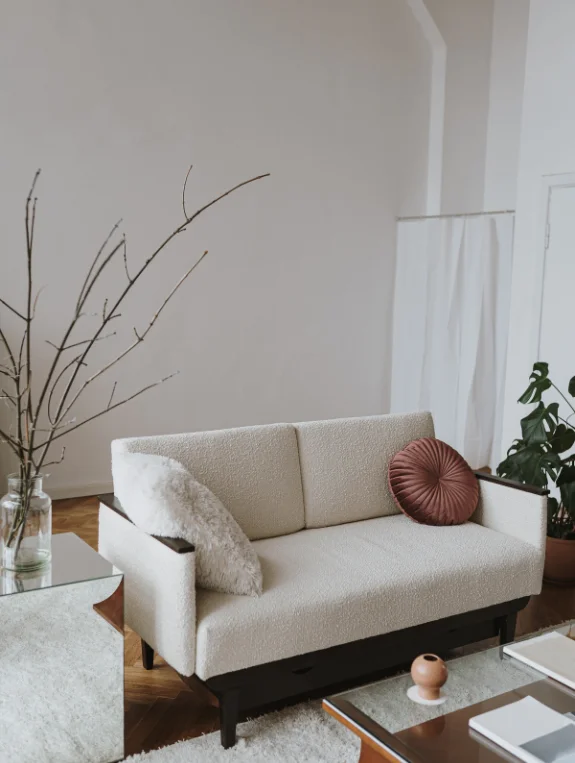
A large mirror reflecting warm light, polished wood surfaces that glow in the lamp’s warmth, textured surfaces that catch light and sparkle.
These reflective moments prevent moody from becoming completely dark. They bounce warmth around the room.
The Pops of Warmth That Keep Moody From Being One Note
Warm gold or brass elements, rich wood tones, warm metallics catching the light. Small pops of these warm tones distributed through the space keep it from feeling flat. One-note moody is boring. Varied warmth is intentional.
The Living Elements That Bring Energy Into Moody
Dark green plants that still feel alive, flowers in deep jewel tones, fresh botanicals that bring slight color contrast. Life within the moody keeps the space from feeling static. Living things change how a dark space feels.
The Moody Living Room For Different Apartment Situations
Moody adapts to your specific space. Here’s how.
The Small Apartment Moody Space That Stays Intimate Not Claustrophobic
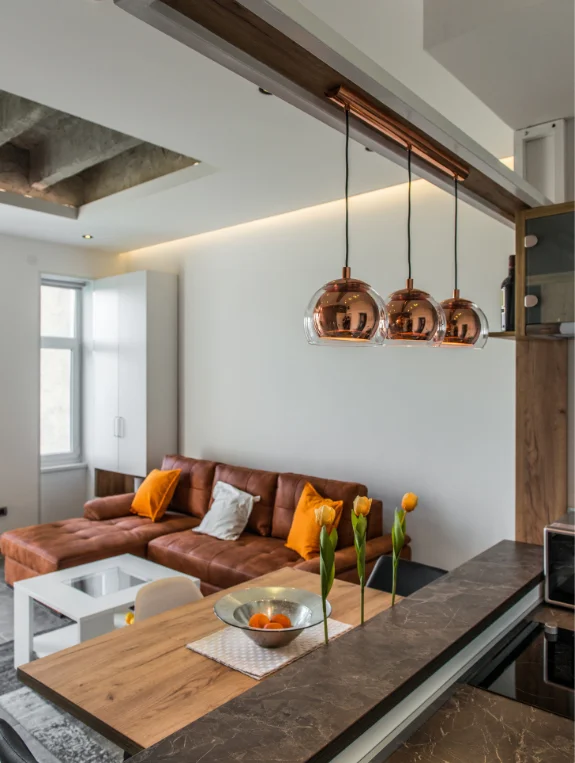
Deep color on one wall, not all walls. Strategic light placement, not darkness. Mirror to reflect light and expand feeling.
Moody can work in small spaces when done thoughtfully. The key is balance—color on one wall, warmth everywhere, light visible.
The High-Rise Moody Space That Looks Intentional and Designed
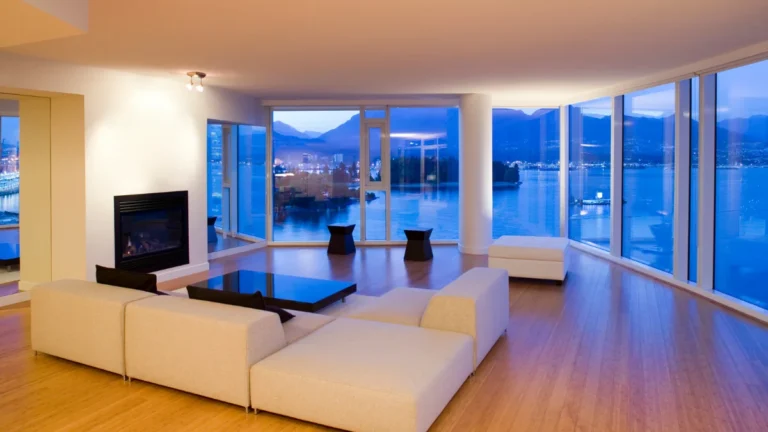
All walls in moody color, lots of warm light from multiple sources, rich textiles and wood. The apartment becomes a sanctuary 30 stories up, away from the bright outside. A moody high-rise is intimate refuge.
The Rental-Friendly Moody With No Permanent Changes
Removable wallpaper in moody color, plug-in lamps, freestanding furniture in warm dark wood. The moody aesthetic is completely achievable without risking your deposit. Renters can have moody too.
Where to Shop for Moody Living Room Design in the USA
Know where to find moody pieces and colors.
Best Sources for Deep Wall Colors and Moody Foundation
Benjamin Moore and Sherwin-Williams for paint in warm moody tones if painting is allowed. Removable wallpaper from Chasing Paper and Tempaper in moody colors if renting. Full selection online at any paint brand. Color is the foundation.
Best Sources for Moody Furniture and Textiles
West Elm for moody velvet sofas and rich textiles. Article for dark wood furniture with warmth.
CB2 for moody decor accents and lighting. Anthropologie for rich textiles and artistic pieces that fit moody aesthetic. These sources understand moody.
Best Sources for Warm Moody Lighting
Amazon for warm dimmer bulbs, warm pendant lights, and Edison bulbs. IKEA for affordable dark lamps. West Elm for statement moody lighting pieces worth the investment. Lighting is non-negotiable. Invest here.
Conclusion
A moody apartment living room is not dark. It is intentional. Every choice—from color to light to furniture—leans toward warmth within the darkness. The result is a space that feels like evening never ends. And evening is the best part of the day.
Start this week with one deep wall color and warm layered lighting. Those two changes alone will transform your living room from bright and generic to moody and intentional in one evening.
Everything else builds naturally from that foundation. You’re not creating a cave. You’re creating a sanctuary.