Beautiful Aesthetic Ceiling Design Inspiration With Cozy Dimmable Hidden Lights
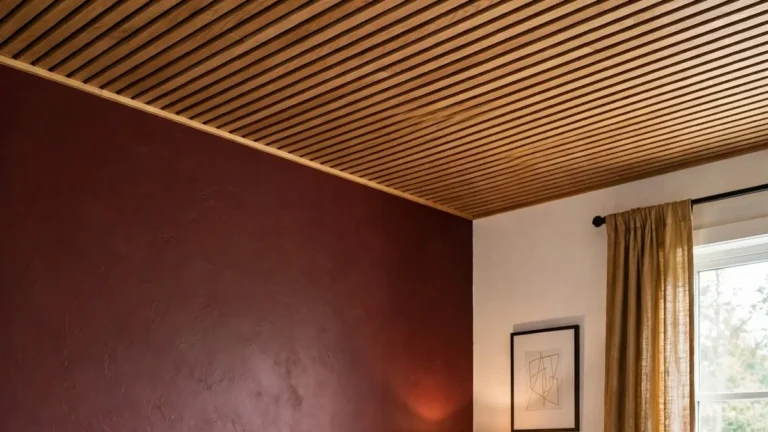
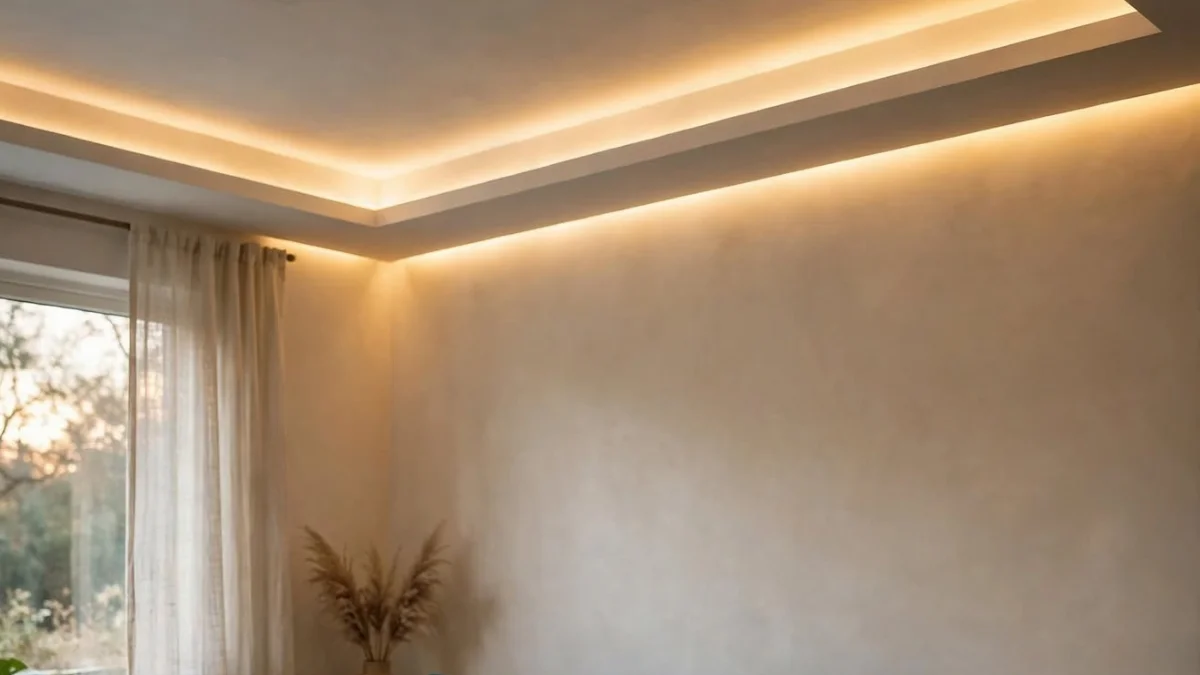
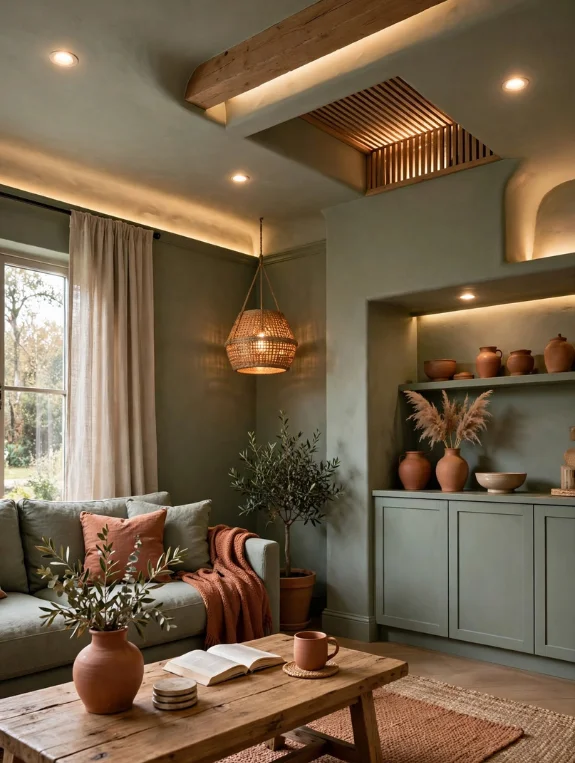
Beautiful aesthetic ceiling, use creamy white paint with light wood slats or simple tray details and cozy dimmable hidden lights.
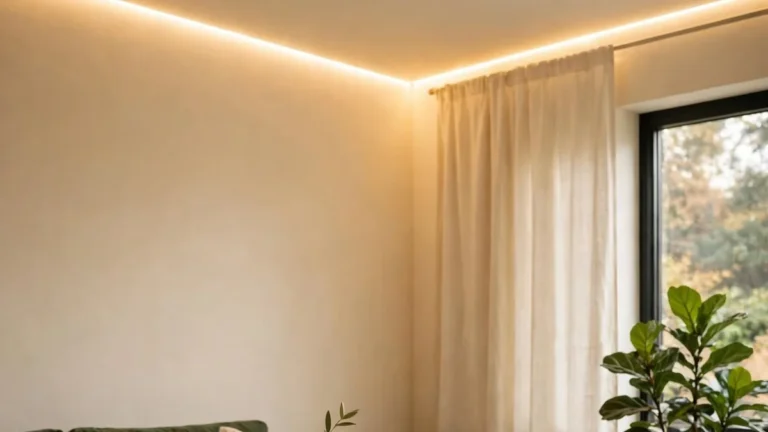
Add hidden LED strips in cove edges, behind beams, and around the perimeter for soft, even glow. Keep all bulbs warm white and dimmable with no visible bulky fixtures.
Hidden dimmable lights wash the ceiling with warm glow and make rooms feel taller, softer, and more intentional. Soft light and natural texture create a calm, cozy, expensive atmosphere without glare or clutter. It instantly turns your ceiling into a dreamy, Pinterest-worthy centerpiece.
Hidden Ceiling Lights That Make Rooms Feel Warm and Designed
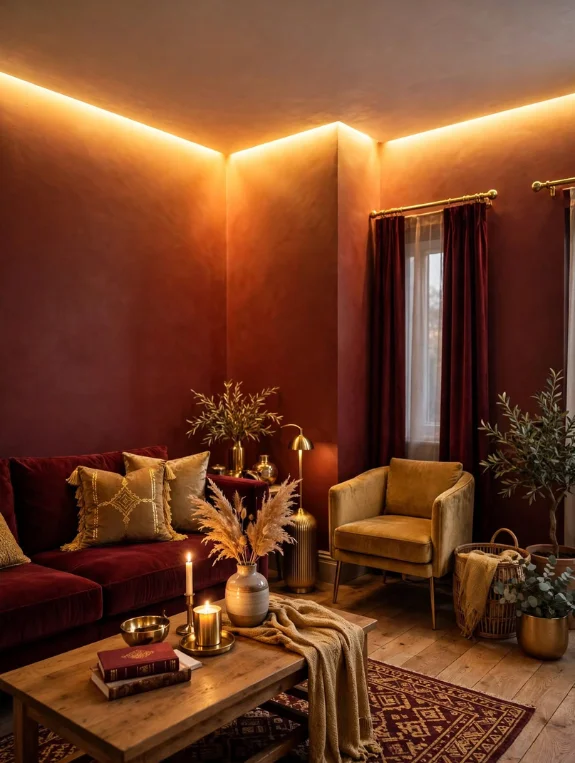
Visible Light Fixtures Tell Your Brain You Are in a Lit Room, While Hidden Light Sources
When you can see the bulb or the fixture, your brain treats the light as functional. When you only see a glow with no visible source, it registers as atmosphere. The same amount of warmth from a visible lamp versus a hidden LED cove creates a genuinely different experience. The hidden source isn’t just prettier, it actually feels warmer.
Every Location a Light Source Can Be Hidden in a Ceiling, and What Each One Does for the Room
Cove edges, beam undersides, tray steps, soffit faces, wall-ceiling junctions, and floating panels each create a different glow direction and a different mood. This is your complete guide to every hidden ceiling light location.
The Six Places a Ceiling Light Can Be Hidden
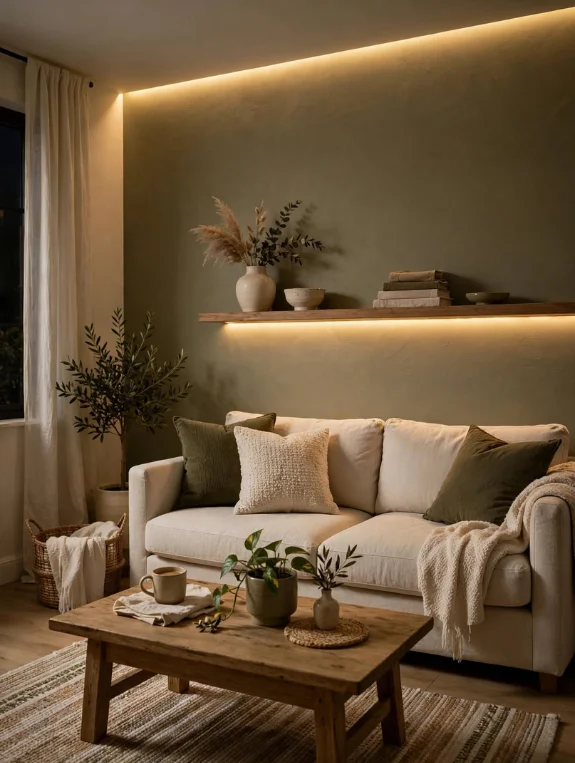
Hidden Ceiling Light Position Guide
- Inside a ceiling cove: light hidden above a ledge pointing upward, creating the floating ceiling glow with intimacy and dimension
- Along beam undersides: an LED strip on the lower face of each beam, casting warm washes of light between beams
- Inside tray ceiling steps: an LED strip in the inner reveal, bouncing off the tray walls for a lit-from-within feeling
- At the wall-ceiling junction: an LED strip in a crown molding channel or small ledge at the top of the wall, warming all four walls from above
- Behind a floating panel: a panel mounted away from the ceiling with LED behind it, glowing at its edges like a luminous architectural object
- Inside dropped soffit faces: an LED strip on the inner face pointing outward and downward, like a kitchen island light with no visible fixture
The Hidden Position That Creates the Most Cozy Warm Atmosphere
The beam underside wins for coziness. A warm LED strip on the lower face of each beam, real or faux, sends light down in warm pools between the beams. Each section of ceiling gets its own warm zone, like having multiple table lamps built into the ceiling. It’s the most residential-feeling of all the hidden positions.
The Cove Position: The Most Elegant Hidden Light
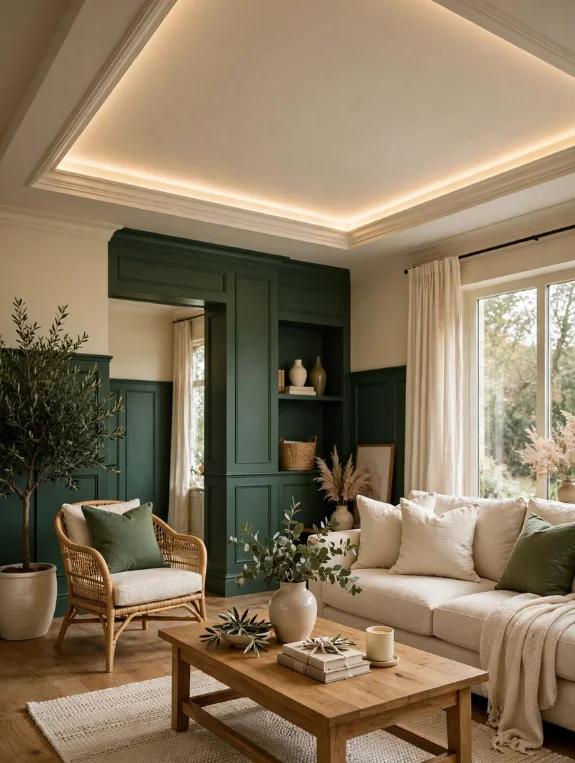
What a Ceiling Cove Is and Why It Works So Well
A cove is a horizontal ledge built around the ceiling perimeter, or over one zone. The LED strip sits on top of the ledge pointing up, so the ceiling above glows from the edge inward and seems to float. You can see the glow, but the source is invisible from any standing or seated position. The magic is entirely in the concealment.
Building a Simple Cove With Basic Materials
Screw an MDF or timber ledge to the wall 6 to 8 inches below the ceiling, paint its front face to match the wall, and place the warm LED strip on its top surface. It takes about four hours and creates the effect that makes rooms look like luxury hotel suites.
The Dimmable Control That Makes a Cove Perfect for Every Mood
A trailing-edge LED dimmer lets you adjust from full ambient brightness down to a 10 percent intimate glow. Run the cove at 100 percent for dinner parties, 30 percent for film evenings, and 8 percent for late nights. One ceiling feature serves every occasion.
The Tray Ceiling Hidden Light: For Rooms That Already Have Architecture
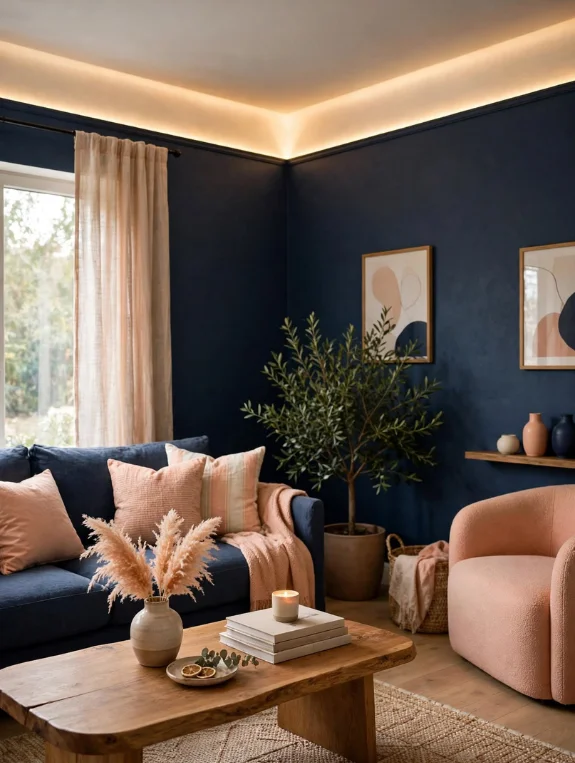
How to Use an Existing Tray Ceiling as a Hidden Light Opportunity
Most tray ceilings have an inner reveal, the vertical face where the ceiling steps down. That face is a perfect hidden LED position. Mount a strip at the back of the reveal pointing toward the room, and a decorative feature becomes a warm ambient light source. It costs about $40 in LED strip on a ceiling feature you already have.
The Reveal Depth That Hides the LED Strip Most Effectively
A reveal deeper than 3 inches hides the LED strip from any normal standing or seated angle. A shallower reveal means positioning the strip further back or angling it upward, which keeps the light source invisible.
Warm Brass or Matte Black Trim in the Reveal That Adds a Design Detail
A thin strip of warm brass or matte black aluminum trim at the reveal face signals that the hidden light is intentional. It’s a tiny decision that makes the tray ceiling look like it was specified by an architect.
The Wall-Ceiling Junction Position: Warming All Four Walls
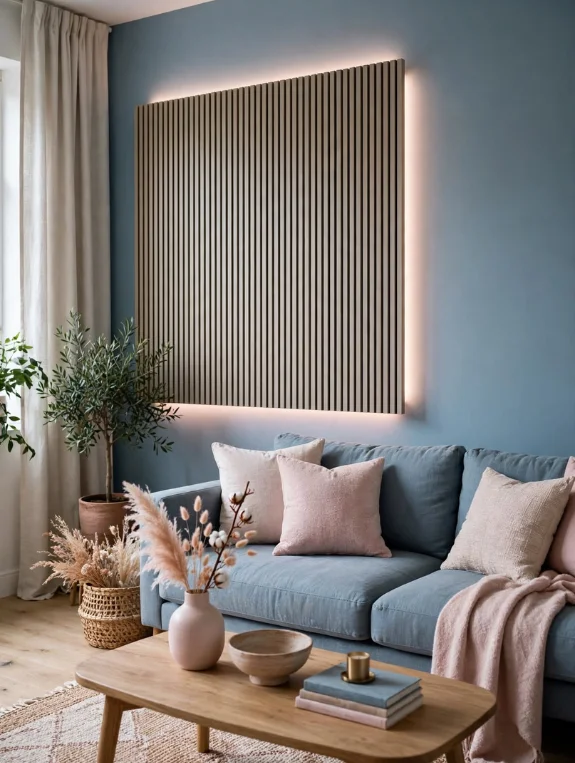
The Crown Molding Channel Light That Warms Every Wall From Above
A crown molding profile with an integrated LED channel, or a small ledge at the top of the wall, holds an LED strip pointing down at the wall. The warm wash travels down all four walls from the ceiling line, so every vertical surface feels warm because the source is hidden above.
Why This Position Creates the Most Enveloping Warmth
Light from the ceiling perimeter hits every wall, so the room is lit from a surround source instead of a single direction. It feels like being inside a glowing space rather than a lit one, which creates the strongest sense of architectural design.
Installing This Effect Without Crown Molding: The Adhesive Ledge Method
Glue a thin MDF ledge, 2 inches deep, to the wall just below the ceiling junction with construction adhesive, and set the LED strip on top. It’s the budget version of the crown molding channel and delivers the same warm wall wash for under $60 in materials per room.
The Behind-Panel Position: A Modern Hidden Light Statement
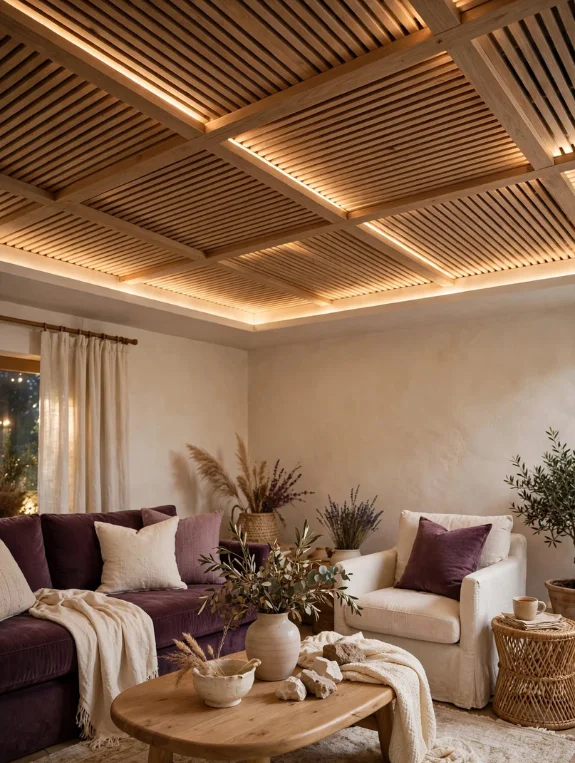
What a Floating Backlit Panel Creates in a Room
Mount a large rectangular MDF panel 2 to 3 inches from the ceiling on standoff supports, with an LED strip on its back pointing toward the ceiling. The panel glows at its edges as warm light escapes around the perimeter, so the ceiling looks like it has a luminous architectural object floating beneath it. It’s the most dramatic contemporary hidden light look available.
The Panel Size and Position That Works Best
A panel covering 50 to 60 percent of the main ceiling zone, not edge to edge, and centered above the main furniture arrangement reads as intentional design rather than an oversized fixture. It becomes the room’s most talked-about feature.
The Dimmable Scene That Makes This the Most Versatile Ceiling Feature
Run the panel at 100 percent for bright, functional ambience, 50 percent for dinner or entertaining, and 15 percent for the most intimate glow. One panel can replace every other ceiling light in the room and look better at every setting.
The LED Specification That Makes Hidden Lights Cozy Not Clinical
2700K Is the Non-Negotiable Temperature for Every Hidden Ceiling Light Position
Cool white hidden lights at 4000K or higher read as institutional no matter how cleverly they’re concealed. A hidden light that still feels cold is worse than a visible one that feels warm. For any hidden ceiling light meant to feel cozy, 2700K warm white is the only specification.
The High Density Strip That Produces a Seamless Glow
Choose 60 to 120 LEDs per meter for a continuous warm line instead of visible dots. This one spec decides whether the hidden light reads as architectural or DIY, and quality strip makes every concealed position perform as intended.
The Diffuser That Blurs Individual Points Into Pure Warm Light
An aluminum channel with a frosted diffuser cover turns an LED strip into a glowing line rather than a series of points. It’s the component that separates every professional-looking hidden light installation from an amateur one.
Conclusion
The warmest, most beautiful rooms have light sources you can’t find, only feel. The cove gives you a floating ceiling, beam undersides create cozy pools, a tray reveal adds architectural warmth, the wall-ceiling junction wraps the room in light, and a floating panel delivers dramatic contemporary glow.
That’s five hidden positions and five different moods, all created with warm 2700K LED behind a concealment structure. Start with just one: the beam underside if you have beams, the wall-ceiling junction if you don’t. It’s the simplest position, and it will show you what hidden warm light does to a room before you decide whether to add a second.