Dark Apartment Lighting Mistakes Making Rooms Look Gloomy
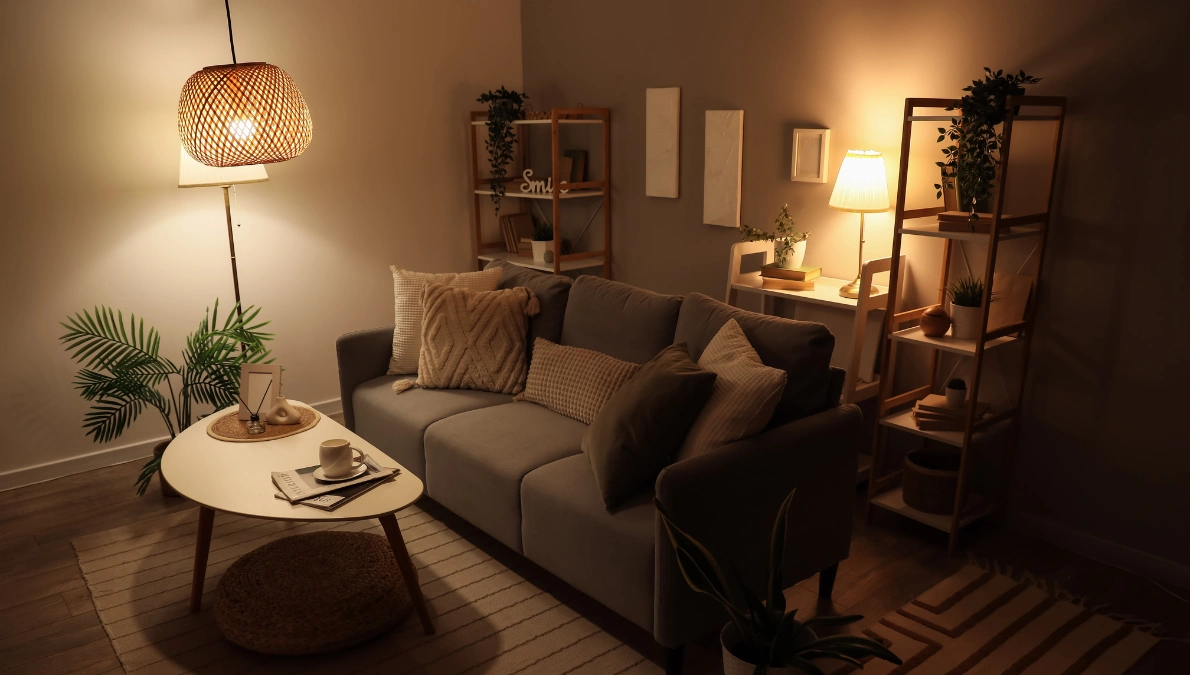
I added three new lamps to my living room, and it still felt depressing and gloomy. That’s when I realized apartment gloom isn’t about how many lights you have—it’s about bulb temperature, height, and placement.
Cold, daylight, bulbs, dark shades, and lamps pushed against walls actually make your space feel clinical and dark.
In this guide, I share the exact lighting fixes—like swapping to 2700K warm white bulbs and my zero-dollar lamp repositioning trick—that transformed my apartment from a gloomy cave into a warm, glowing sanctuary without breaking the bank.
A Gloomy Apartment Is Not Always Dark — It Is Often Lit Incorrectly and the Incorrectness Is Creating the Gloom
You’ve added two lamps and the room still feels gloomy, which is frustrating when you assumed more light would automatically fix it.
The real problem usually isn’t quantity, it’s temperature, placement, and layering.
One correctly placed warm lamp can eliminate more gloom than five poorly placed cool ones ever could.
Every Gloomy Lighting Problem Has a Specific Cause and a Specific Fix — This Post Identifies Both
Gloom from the wrong bulb temperature, gloom from the wrong lamp placement, gloom from walls absorbing light, and gloom from a lampshade diffusing light incorrectly are all different problems with different solutions.
Naming the specific cause is what leads directly to the specific fix. This post walks through every one of them.
The Complete Gloomy Lighting Mistake List
- Cool white or daylight bulbs creating cold, flat light — the number one cause of apartment gloom
- All lamps at the same height, creating flat, single-level lighting
- Lampshades too dark or too opaque, blocking light output before it reaches the room
- A single overhead light as the only source in the room
- Lamps placed in corners pointing at walls instead of into the room
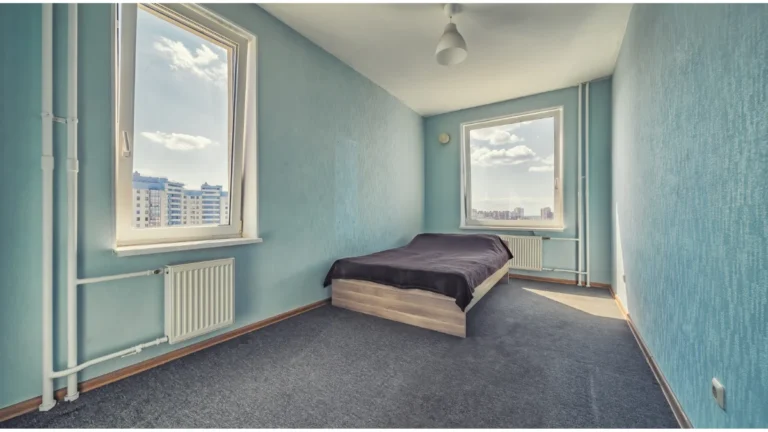
- Dark wall colors absorbing light before it can spread
- No candles or low-level accent lighting to fill shadow areas
- Blackout curtains blocking natural light during the day
The Lighting Mistake Creating the Most Gloom in the Most Apartments
Out of everything on this list, cool white bulbs in the 4000K to 6500K daylight range cause the most gloom in the most apartments.
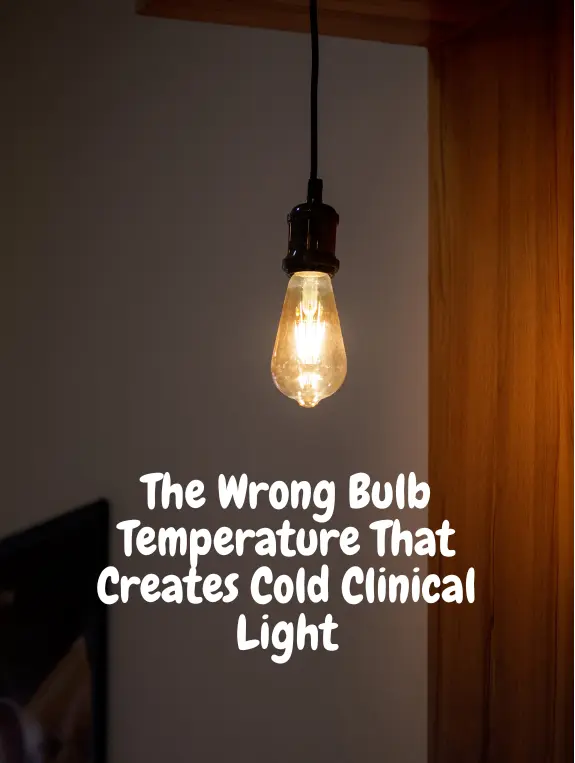
This kind of light reads as bright but harsh, more institutional than warm. The brain registers cool, bright light as clinical rather than comfortable, which makes swapping to 2700K warm white one of the fastest gloom fixes available.
Build a cozy nighttime atmosphere using warm ambient bedroom apartment lighting setups.
Mistake 1 — The Wrong Bulb Temperature That Creates Cold Clinical Light
Why Cool White Bulbs Are the Primary Source of Apartment Gloom
Cool white light closely mimics overcast daylight, and the brain tends to associate overcast days with low energy and low mood. Warm light, on the other hand, mimics sunset and firelight, which the brain reads as safety, comfort, and rest.
The bulb temperature you choose is quietly triggering a real biological mood response.
The Specific Kelvin Range That Eliminates Gloom
Sticking to 2700K to 3000K warm white in every single fixture in the apartment is what actually creates that sense of warmth. Consistency matters here, since even one cool bulb mixed in among warm ones creates a visual tension that undercuts the warmth of everything else. It’s worth checking every fixture, not just the main ones.
The Bulb Swap That Takes 10 Minutes and Eliminates 50 Percent of Apartment Gloom
Replacing every bulb in the apartment with warm white 2700K equivalents, including the overhead lights, lamps, bathroom, and hallway, costs under $20 total and takes less than 10 minutes.
It’s genuinely one of the fastest transformations available before you’ve done anything else to the space.
Mistake 2 — All Lighting at the Same Height Creating Flat Lifeless Atmosphere

Why Single-Level Lighting Reads as Gloomy Regardless of Brightness or Temperature
When every light source sits at the same height, the room ends up looking flat, with no real shadow, depth, or warmth.
This flatness is part of what makes hospital waiting rooms and office buildings feel so gloomy despite being technically well-lit. An apartment lit at only one height ends up with the same problem.
The Three Height Rule That Eliminates Flat Lighting Instantly
Using one floor lamp at a low height, one table lamp at a mid height, and one ceiling or pendant light at a high height creates depth and warmth that single-level lighting simply can’t achieve, regardless of bulb temperature or wattage.
This simple layering does more than adding more bulbs at the same level ever would.
The Budget Three Height Setup That Costs Under $60
A floor lamp from IKEA at around $20, a table lamp from Target at around $25, and an existing overhead fixture with the bulb swapped for warm white at around $5 add up to roughly $50 total.
That’s a complete three-height lighting system that eliminates flat, gloomy lighting for less than the cost of a nice dinner.
Mistake 3 — The Lampshade That Eats Light Instead of Diffusing It
Why Dark Opaque Lampshades Create Islands of Light Instead of Room Warmth
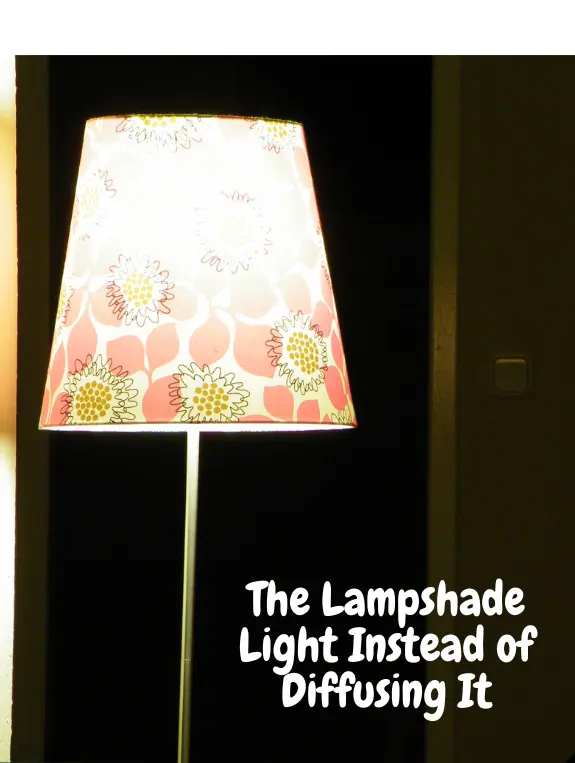
A dark lampshade can block 60 to 80 percent of a bulb’s output, letting only narrow beams of light escape upward or downward.
The result is a small pool of light at the base of the lamp and a patch on the ceiling, while everywhere else in the room stays gloomy. The shade itself is often the actual problem, not the bulb.
The Lampshade Material That Diffuses Light Beautifully
White or cream fabric, paper, and linen shades all let bulb glow pass through softly rather than trapping it.
The entire shade essentially becomes a glowing light source instead of a container aiming a narrow beam somewhere specific. This one swap can completely change how a lamp fills a room.
The Shade Swap That Costs $15 and Transforms Every Lamp in the Room
Replacing dark shades with white or cream fabric equivalents from Amazon or IKEA lets the same lamp suddenly fill the room with diffused warm light instead of directing a narrow beam.
It’s one of the highest-return lighting investments available, and it takes only a few minutes per lamp.
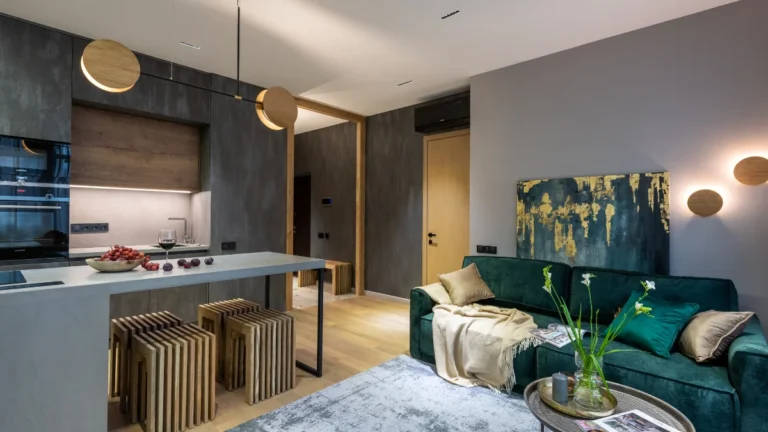
If you prefer darker aesthetic themes, explore how to style a moody apartment living room.
Mistake 4 — Lamps Placed Against Walls Instead of Into the Room
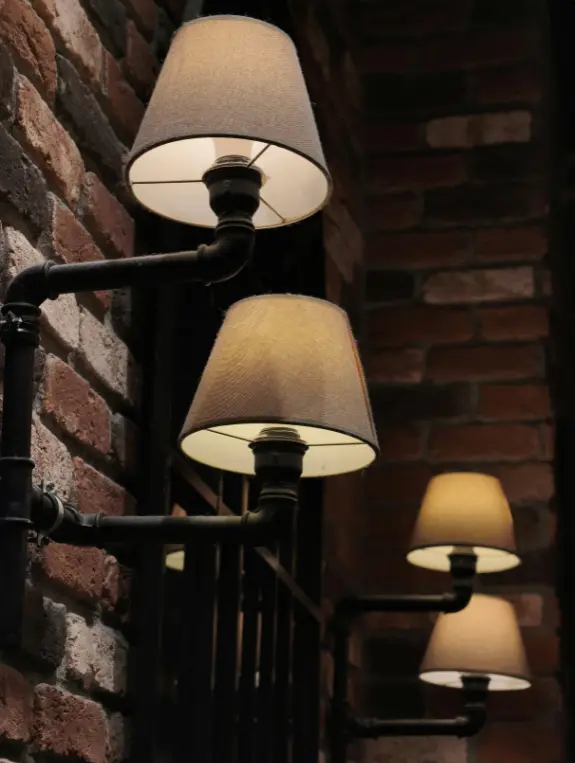
Why Wall-Adjacent Lamps Create Bright Walls and Dark Rooms
A lamp pushed right up against a wall ends up illuminating the wall and ceiling near it while the light bounces backward into that corner rather than forward into the living space.
The result is a room where the walls glow but the center stays dark. It’s a placement mistake that’s easy to miss because the lamp is technically working, just not where it’s needed.
The Lamp Placement That Actually Fills the Room With Light
Pulling floor lamps 18 to 24 inches away from the wall and angling table lamps slightly toward the center of the room lets the light actually reach the seating and conversation areas instead of the walls behind the furniture.
This small adjustment changes where the light actually lands.
The Repositioning That Costs Nothing and Changes Everything Tonight
Simply moving every lamp about 18 inches further from the wall than it currently sits requires no purchase at all and often eliminates more gloom than buying additional lamps would. It’s worth trying tonight before spending any money on new lighting.
Mistake 5 — Dark Walls That Absorb Every Bit of Light You Add

Why Dark Wall Colors Create Gloom That No Amount of Lighting Can Fully Fix
Dark walls can absorb 70 to 90 percent of the light that hits them, meaning a dark-walled room needs three to four times more lighting than a light-walled room just to reach the same ambient brightness.
Most dark-walled apartments aren’t actually poorly lit, they’re simply under-lit for the color choice they’ve made.
The Paint Fix That Eliminates the Lighting Problem at the Source
Warm white or warm neutral walls reflect 70 to 85 percent of light back into the room instead of absorbing it. The same lamps that struggled to brighten a dark-walled room can suddenly create abundant warm light once the wall color changes. Fixing the wall color solves the lighting problem at the root rather than working around it.
The Lighting Compensation Strategy for Renters Who Cannot Paint
For renters who can’t repaint, doubling the number of light sources, adding reflective surfaces like mirrors and metallic accents, and choosing the lightest textiles possible for sofas, rugs, and curtains can compensate.
It genuinely works, but it does require noticeably more lighting than a light-walled room would need to reach the same effect.
Mistake 6 — No Low-Level Accent Lighting Leaving Corners in Shadow
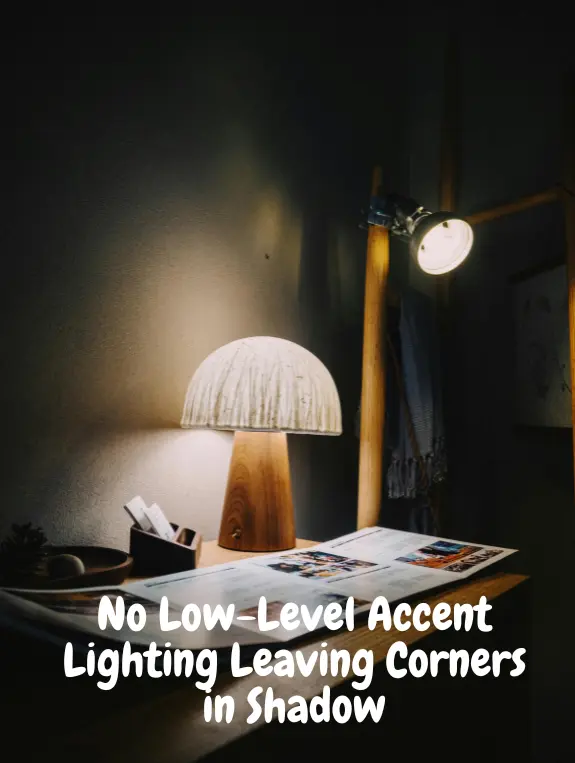
Why Shadowed Corners Create Gloom Even in Well-Lit Rooms
A bright center paired with dark corners still reads as gloomy, because the eye catches the shadow at the edges of the room and the brain interprets that as evidence of insufficient light overall.
Filling those corner shadows with low-level warm light can eliminate the gloomy feeling even if the center lighting stays exactly the same.
The Accent Lighting That Fills Corner Shadows for Under $20
LED strip lights behind furniture, a small plug-in accent light in a dark corner, LED candles on surfaces, or warm string lights along one wall all fill the shadows that overhead and floor lamps can’t reach on their own.
These small, inexpensive additions round out the layered lighting a room actually needs.
The Candle Strategy That Eliminates Gloom Better Than Any Electric Alternative
Three real or LED candles placed at different heights across the coffee table and side tables fill shadow areas with a warm flicker that creates real intimacy.
A room that felt gloomy under electric light alone often feels genuinely warm and inviting the moment candles are added. It’s a small, low-cost addition with a surprisingly large effect.
The Complete Gloom Elimination Sequence
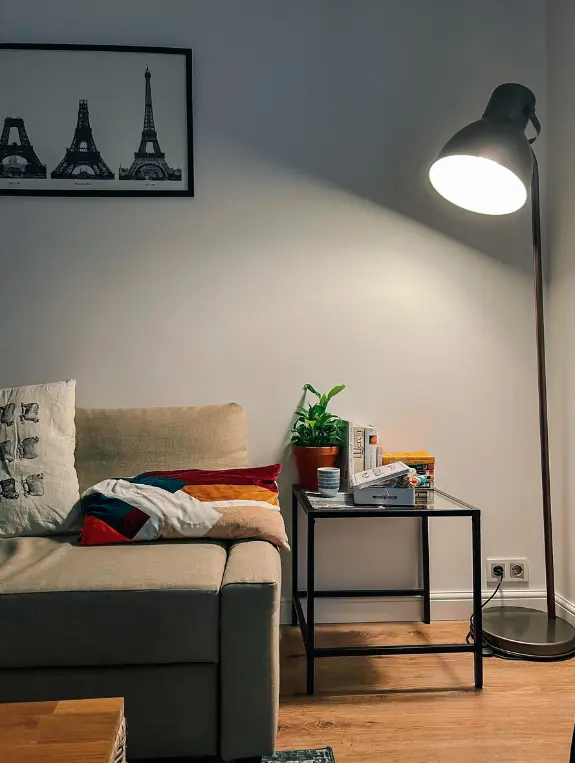
Tonight — The Free and Under $20 Fixes
Repositioning lamps away from the walls, replacing one cool bulb with a warm one, and moving candles into shadow areas are all free or nearly free actions that eliminate the most obvious causes of gloom immediately.
None of them require a shopping trip to start tonight.
This Weekend — The Under $60 Transformation
Replacing every cool bulb with warm white throughout the apartment, swapping out any dark lampshades for white equivalents, and adding one floor lamp at a low height begins building the full three-height lighting system.
This weekend’s worth of changes should already feel like a noticeable shift.
This Month — The Complete Gloomy-to-Glowing Transformation
Adding string lights or LED strips for accent coverage, reconsidering wall color if your lease allows it, and adding mirrors for light reflection rounds out the full transformation.
By the end of the month, an apartment that once felt gloomy can feel warm and inviting at nearly every hour of the day.
Where to Find the Right Lighting to Eliminate Apartment Gloom

Best Sources for Warm Bulbs and Affordable Lamps
Amazon carries warm white bulbs in bulk along with affordable floor lamps, while Target offers quality table lamps and warm lighting accessories. IKEA is a solid source for floor lamps that reach the right height without a big price tag.
Best Sources for Accent and Candle Lighting
Amazon has a wide range of LED candles, string lights, and LED strips in one place. Target carries quality candles at affordable prices, while West Elm is worth considering for a statement lamp that’s genuinely worth the investment.
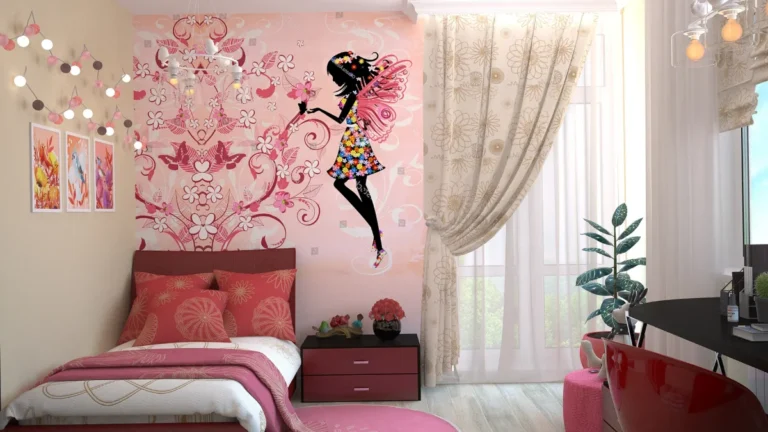
Complement warm light tones with a soothing sandalwood and cream apartment bedroom decoration.
Conclusion
A gloomy apartment is almost always a lighting mistake problem, not a square footage or architecture problem.
Wrong bulb temperature, flat single-level lighting, dark lampshades, wall-adjacent lamp placement, dark walls, and unlit corners are the six issues doing most of the damage, and fixing them turns gloomy into glowing without any renovation at all.
The best place to start is tonight, with just the bulb swap and lamp repositioning, since those two free or near-free changes eliminate the most powerful gloom causes immediately, and the difference is worth feeling before spending another dollar.