Modern Apartment Decor Formulas For A High-End Luxury Look On A Budget
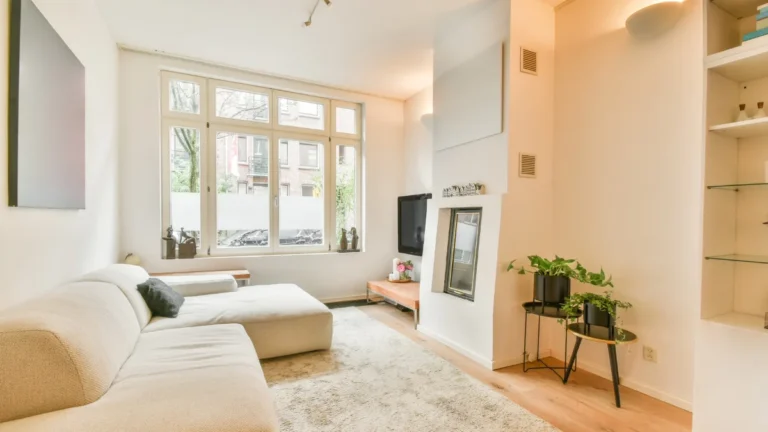
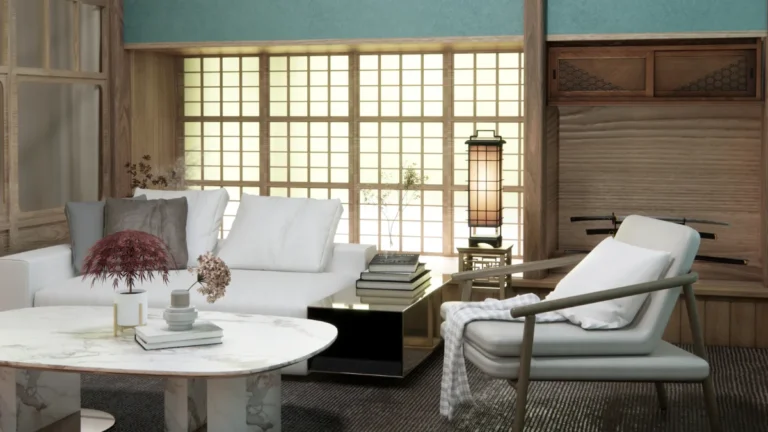
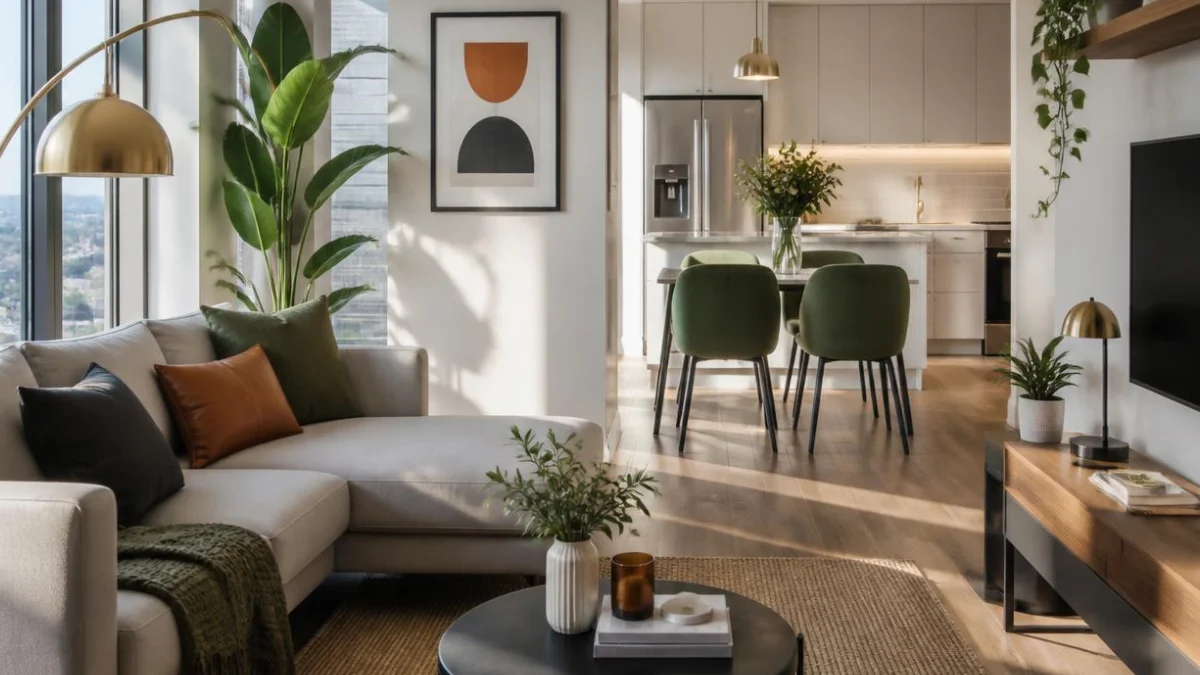
A high-end apartment look doesn’t require expensive furniture. Start with a simple color palette, clean-lined pieces, good lighting, and a few materials that look polished, such as wood, glass, metal, or stone.
Instead of buying lots of decor, spend your budget on a few details that make a visible difference—like better curtains, a large rug, matching hardware, or warm lighting.
A clean, uncluttered room with thoughtful details will usually look more luxurious than a room filled with expensive-looking stuff.
Expensive Looking Is Not About Money — It Is About Psychological Triggers
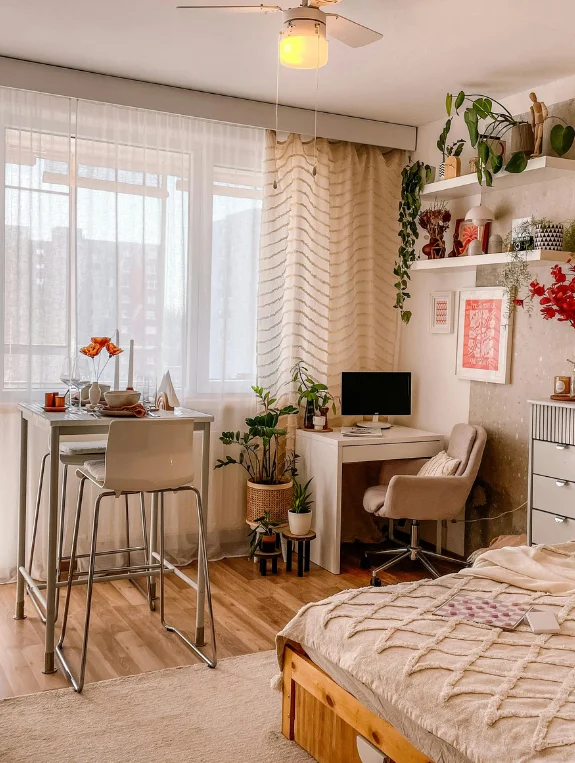
The most expensive-looking apartments aren’t always the most expensively decorated ones.
They’re the most intentionally designed ones. And intention is something you can access at any budget — once you know exactly what creates it.
A $2,000 Sofa Will Never Look as Expensive as a $500 Sofa Chosen With These Formulas
Luxury isn’t in the price tag. It’s in the proportion, the intention, and the psychology of how choices are made and communicated.
A budget sofa chosen with the right formulas outperforms a luxury sofa chosen without them — every single time. This post reveals those formulas so you can access the luxury look without the luxury price.
High-End Design Is a Formula Not a Secret
Professional designers charge thousands of dollars to apply these formulas. They’re not secrets — they’re just not commonly taught.
Once you know them, you can’t unknow them. And your apartment will never read the same way to visitors again.
The Formulas That Make Budget Apartments Look Expensive
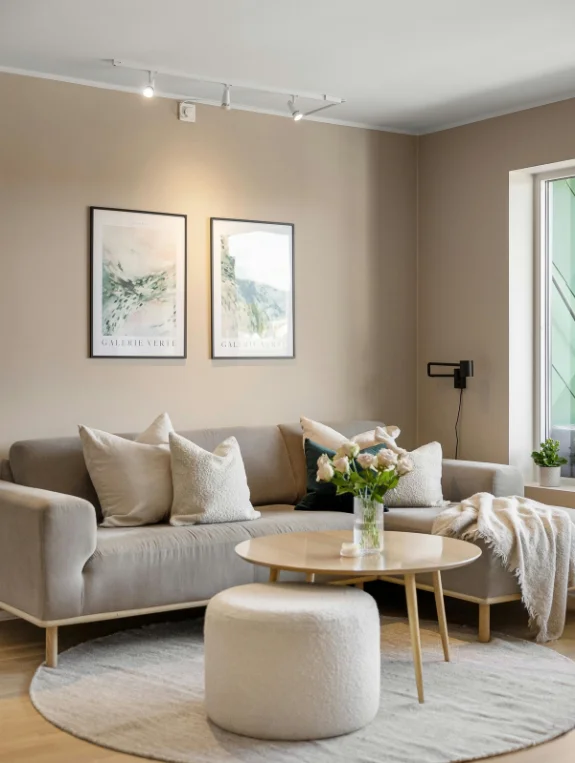
- Formula 1 — One statement piece anchors the room, everything else supports it
- Formula 2 — Furniture and art scaled generously — larger than seems necessary — reads as confidence
- Formula 3 — Maximum three colors total, all materials in those colors only — reads as expensive
- Formula 4 — 40 percent of surfaces empty, 60 percent intentional — emptiness reads as luxury
- Formula 5 — All metals one family, all materials natural or quality look-alikes — reads as intentional
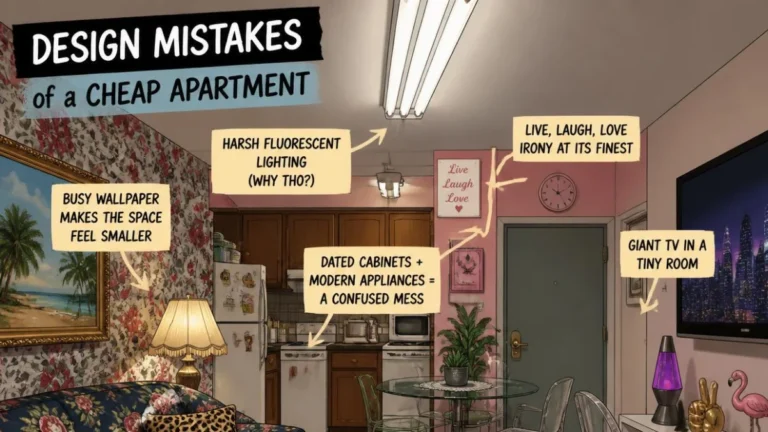
- Formula 6 — Warm layered light at multiple heights, never harsh — reads as sophisticated
- Formula 7 — One statement art piece at gallery quality — changes entire room perception
- Formula 8 — Empty walls, empty corners, empty floor — what you don’t put there matters equally
- Formula 9 — One real leather item, one real wood item, one real stone item — rest can be affordable
- Formula 10 — Never reveal the budget, never apologize for choices — confidence makes everything read as intentional
The Most Powerful Formula That Makes the Biggest Impact
Formula 1. Always Formula 1.
One statement piece — genuinely beautiful, expensive-looking, or both — and everything else becomes its supporting cast. That one piece does 70 percent of the luxury work in any room. Start there every single time.
Formula 1 — The Statement Piece That Anchors Luxury
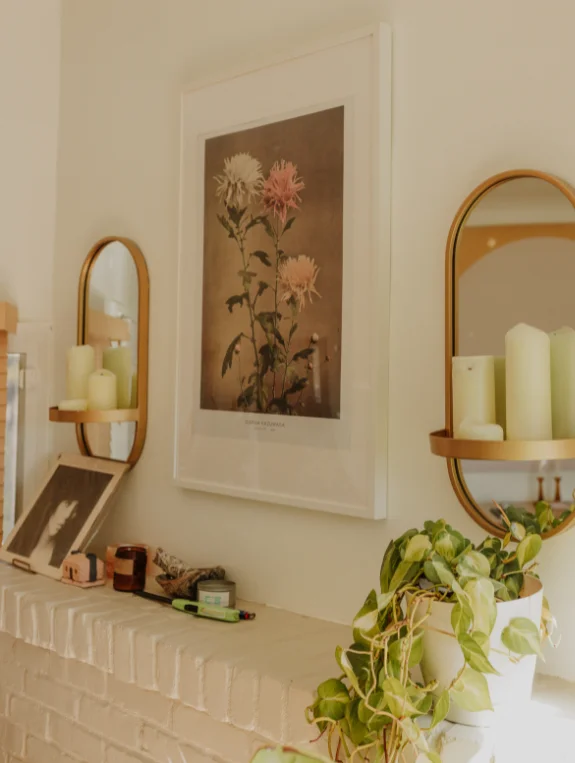
Why One Perfect Piece Changes How an Entire Room Reads
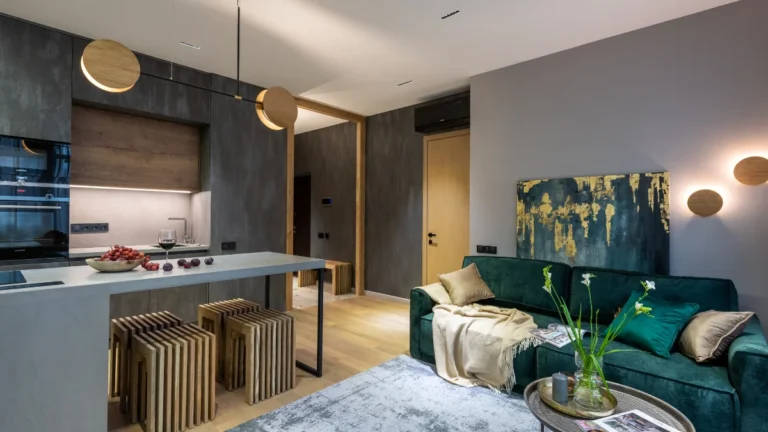
A real leather sofa in warm caramel, surrounded by completely affordable pieces — the room reads as sophisticated and intentional.
Not because everything is expensive. Because one thing is genuinely beautiful and everything else supports it. The statement piece sets the standard and everything else rises to meet it.
The Statement Pieces That Work at Every Budget
A quality modern sofa from Article or West Elm for $800 to $1,200. A statement art piece downloaded from Etsy for $50, printed large at Costco and framed in an IKEA frame for $30. A live-edge wood shelf from Facebook Marketplace for $50.
Quality pieces don’t always mean expensive pieces. They mean pieces that look and feel genuinely right in the role they’re playing.
The Psychology of Why One Perfect Piece Works
Your eye lands on the quality piece and registers it as expensive.
Then everything around it gets the benefit of that assumption. One expensive-looking piece creates a halo effect across the entire room — making affordable choices read as deliberate rather than budget-driven.
Formula 2 — The Proportion Rule That Reads as Confidence
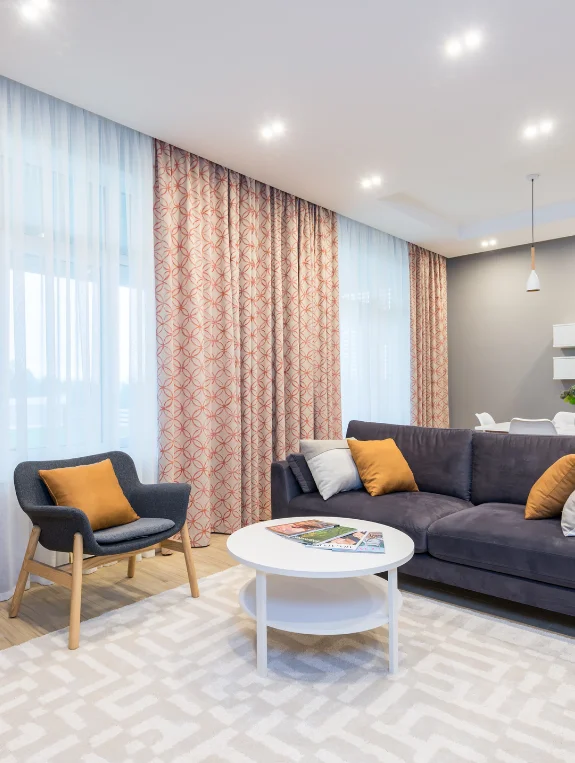
Why Large-Scale Choices Read as More Expensive Than Small Ones
Small furniture, small art, small accessories — these choices read as cautious.
Large-scale choices read as confident. And confidence reads as expensive. It’s that simple and that consistent.
The Specific Proportions That Signal Luxury
A sofa that fills the wall. Art that fills 70 percent of the wall space. Shelves that reach toward the ceiling.
These proportions signal that the person making choices isn’t constrained — by budget, by fear, or by indecision. That signal is what luxury actually looks like from the outside.
The Formula at Work
One large sofa, one large art print, one large plant.
The proportion of these three choices relative to the room signals that budget is not a concern — even when it very much is. Scale communicates wealth more reliably than price ever could.
Formula 3 — The Palette Constraint That Creates Expensive Cohesion
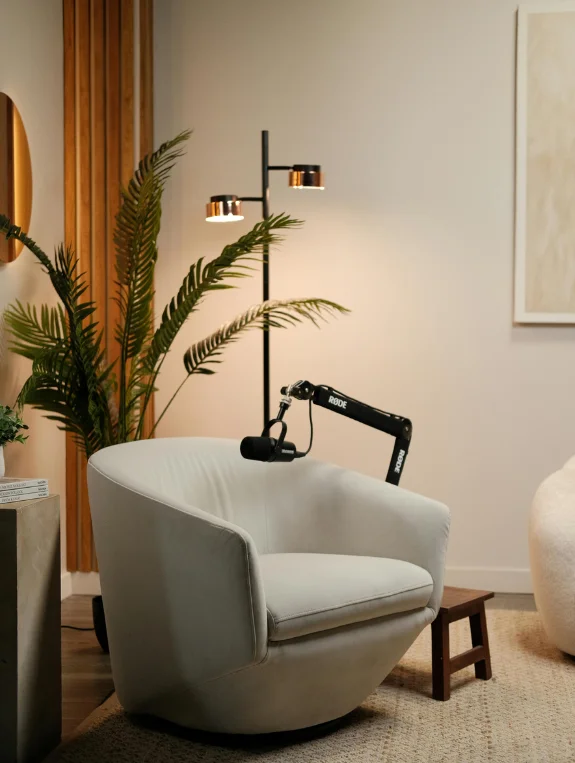
Why More Colors Equals Budget and Fewer Colors Equals Luxury
High-end design uses three colors maximum. Every element in those colors only.
Too many colors signal uncertainty and budget desperation — the visual result of grabbing whatever was available rather than choosing with intention. Three colors signal a palette chosen deliberately, with care, and without compromise.
The Three-Color Palette That Works at Every Budget
Warm white, cream, terracotta. Warm white, cream, forest green. Warm white, cream, charcoal.
Pick three. Commit completely. Every single piece — furniture, textiles, art, accessories — in one of those three tones. The constraint is what creates the luxury feeling.
The Psychological Effect of Color Constraint
Three colors read as a deliberate aesthetic decision made by someone with taste and confidence.
The opposite — multiple colors pulled from different sources — reads as assembled rather than designed. Cohesion signals expense. Variety signals uncertainty. Choose cohesion every time.
Formula 4 — The Negative Space Principle That Creates Luxury Feeling
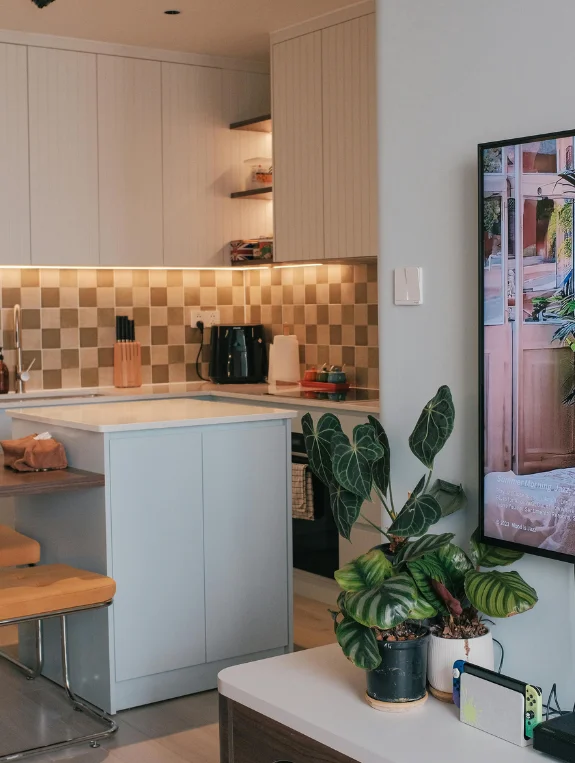
Why Empty Space Reads as Wealth and Full Space Reads as Budget
Luxury apartments have empty walls, clear surfaces, and open floors.
That emptiness signals one thing — confidence. The person living there isn’t desperate to fill every inch. They have the taste to leave space alone. And restraint always reads as expensive.
The Specific Percentages That Create Luxury Feel
40 percent of every surface empty. 60 percent intentional.
Nightstands nearly clear. Shelves mostly empty. Counters completely bare. The emptiness isn’t a lack of decoration — it is the decoration. Once you see it that way, the entire approach changes.
The Physics of Why This Works
A full apartment reads as scrambling. An empty one reads as control.
Your eye sees empty space and registers it as chosen — as a deliberate decision made by someone who could fill it and chose not to. That signal of control and confidence is exactly what luxury communicates.
Formula 5 — The Metal and Material Consistency That Unifies Everything
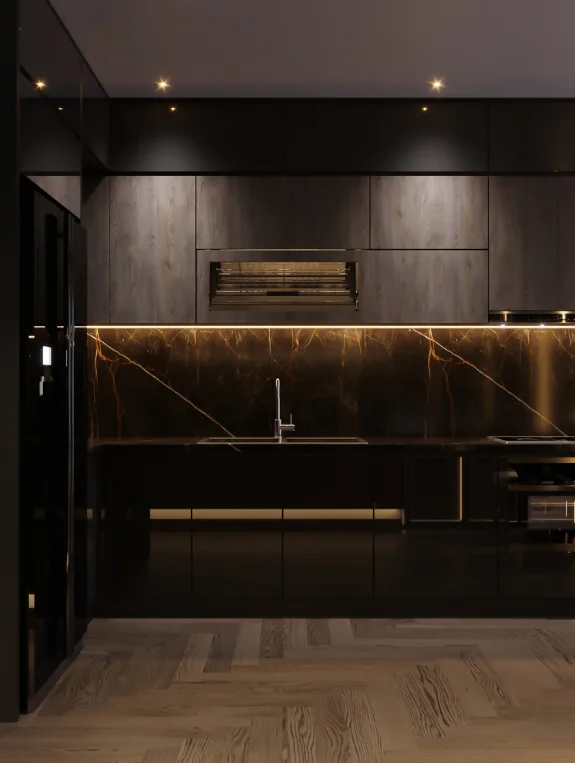
Why Consistent Finishes Read as More Expensive Than Varied Ones
All warm gold throughout or all matte black throughout — consistency signals intentionality.
Mixed finishes signal something else entirely — grabbing whatever was available at the time. That improvised quality is the opposite of luxury. Consistency communicates a single deliberate decision made at the beginning and honored throughout.
The High-Quality Look-Alike Strategy at Budget Prices
Warm gold hardware at $5 per piece on Amazon. Velvet-look fabric at one third the price of real velvet. Brass-look finishes instead of real brass.
Look-alikes at consistent finishes read as intentional. The material doesn’t need to be real — the consistency does. Apply the same finish everywhere and budget pieces read as chosen rather than compromised.
The Confidence Factor That Makes Look-Alikes Work
Never mention they’re not real. Never apologize for them. Commit completely.
Confidence is what makes look-alikes invisible. The moment you point out something is a look-alike, it becomes one. The moment you own it completely, it becomes a design choice.
Formula 6 — The Lighting Sophistication That Changes Everything
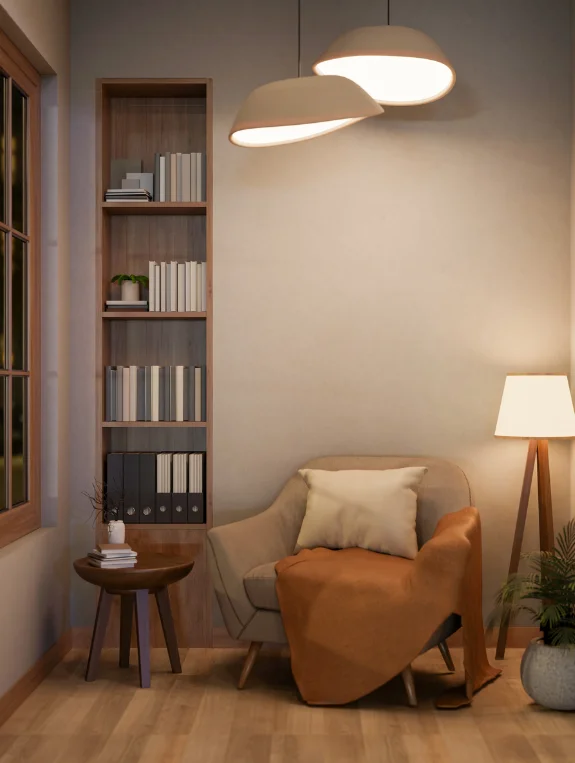
Why Sophisticated Lighting Reads as Expensive More Than Any Other Element
Lighting is the element professional designers spend the most time getting right — and the one most people completely overlook.
Warm layered light at multiple heights signals that someone thought carefully about how the space would feel at every hour of the day. That level of consideration reads as expensive before a single piece of furniture is even noticed.
The Warm Light Budget Strategy
Warm bulbs in existing fixtures — $20. Three affordable warm lamps — $80. Warm string lights — $20. Total under $150.
That’s the complete sophisticated lighting setup. Under $150 and the apartment reads as significantly more expensive than it did under the same overhead light it came with.
The Psychology of Sophisticated Lighting
Your nervous system registers warm layered light as intentional and elevated.
No matter how budget the furniture, when the lighting is right everything beneath it reads as upgraded. Lighting doesn’t just illuminate the apartment — it reframes every single thing inside it.
The Complete Budget-to-Luxury Formula Put Together
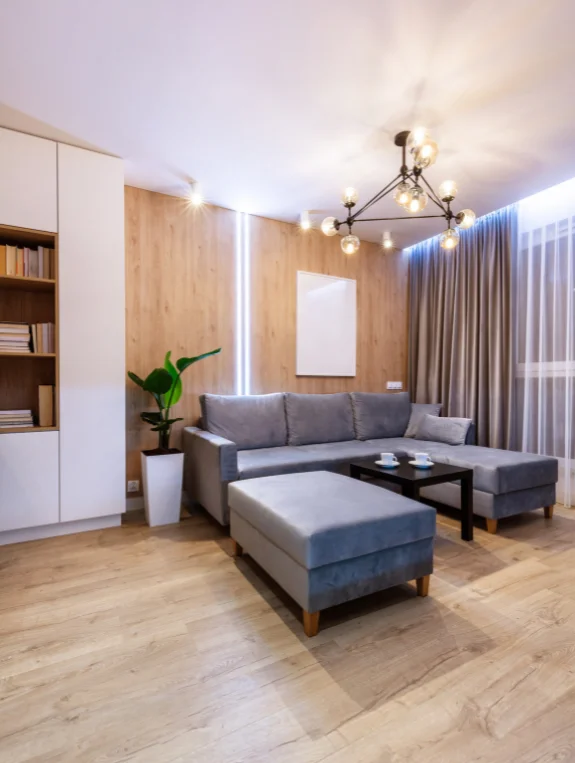
How These Formulas Stack to Create Expensive Feeling
One statement piece scaled generously. Three-color palette applied consistently. Empty space everywhere. Warm light throughout. Consistent metals and materials.
None of these formulas is particularly powerful alone. Together they create a compounding effect — each one reinforcing the others — until the total reads as luxury regardless of what any individual piece actually cost.
The Budget Implementation That Costs Under $1,000
Statement sofa from Facebook Marketplace — $300. Large art print from Etsy printed at Costco — $40. Three warm lamps — $80. Hardware and finish swaps — $100. Plants and small items — $200.
Under $1,000 total. An apartment that reads $10,000 plus. The formulas do the work that money usually has to.
The Mindset That Makes This Work
Never compromise on the formulas. Compromise on price — never on principle.
A $200 thrifted leather chair is always better than a $500 polyester one. A $30 IKEA frame with a quality print reads better than an ornate $150 frame with a generic print. Choose quality materials at budget prices — and the formulas take care of everything else.
Where to Find Luxury-Looking Budget Pieces
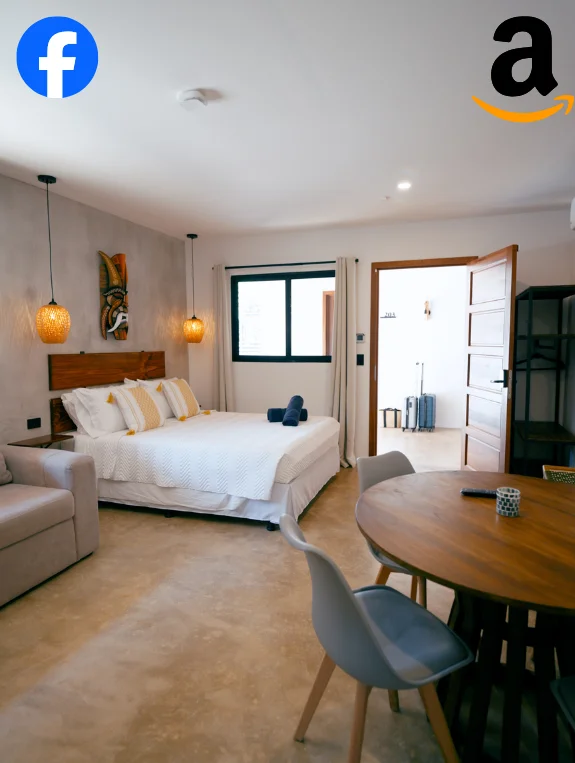
Best Sources for Expensive-Looking Affordable Furniture
Facebook Marketplace for real leather and solid wood at 50 to 70 percent off retail — the single best source for genuine quality materials at budget prices.
IKEA hacked with hardware swaps — a $50 dresser with $30 of warm gold hardware reads as a $300 piece. Article outlet for end-of-season pieces at significant discounts on furniture that already looks expensive at full price.
Best Sources for Budget Materials That Look Expensive
Amazon for warm gold hardware and finishes in bulk — swap every handle in the apartment for under $100. Etsy for art and custom pieces that look gallery quality at print-and-frame prices.
Costco for large format printing and professional framing that makes a $5 digital download look like a $200 gallery piece.
Conclusion
Expensive apartments are built on formulas — not on price tags.
One statement piece, generous scale, color constraint, empty space, consistent materials, and warm lighting. These six formulas work at any budget. Learning them means you never have to choose between the apartment you want and the budget you have.
Start this week with Formula 1. Choose one beautiful piece — the most beautiful thing you can find at whatever price makes sense for you right now. Build everything else around it. Watch how the entire apartment improves when it finally has a statement to support.