Small Apartment Living Room Ideas That Maximize Seating Without Clutter
Hey friend!
Trying to host friends in a small apartment living room is honestly so stressful—you end up scrambling for chairs, dragging dining seats into the living area, or making everyone awkwardly squeeze onto one tiny sofa.
I’ve totally been there, staring at a cramped space and wondering how on earth to fit more than three people without blocking the entire walkway.
I’m sharing the secret seating formula for small living rooms—from smart modular furniture and hidden storage seating to clever layout tricks—that lets you host comfortably without making your room feel cluttered or crowded!
The Paradox of Small Apartment Entertaining — More Seating Feels More Cluttered
You’re stuck between two bad choices. Here’s the third option.
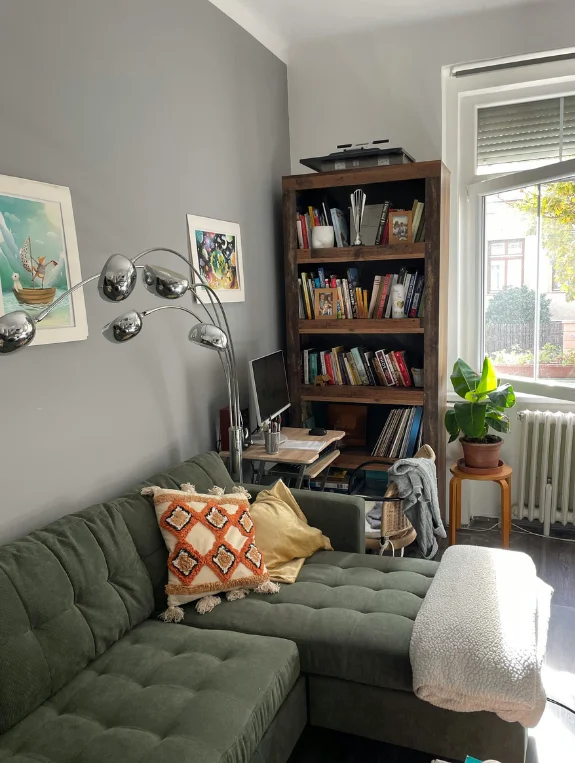
Small Living Rooms Feel Crowded When They Have Too Many Pieces But They Also Feel Empty
The solution isn’t choosing between clutter and emptiness. It’s using formulas that fit maximum seating in minimum visual footprint—seating that takes up less space while looking intentional.
Smart Seating in Small Living Rooms Is About Proportion and Multiplicity Not About Finding Room
Strategic furniture placement, layered seating at different heights, modular pieces that work independently and together. These formulas let you seat 6 people in a room that feels like it only has room for 2.
The Seating Formulas That Maximize Without Cluttering
Here’s what actually works. Every element matters.
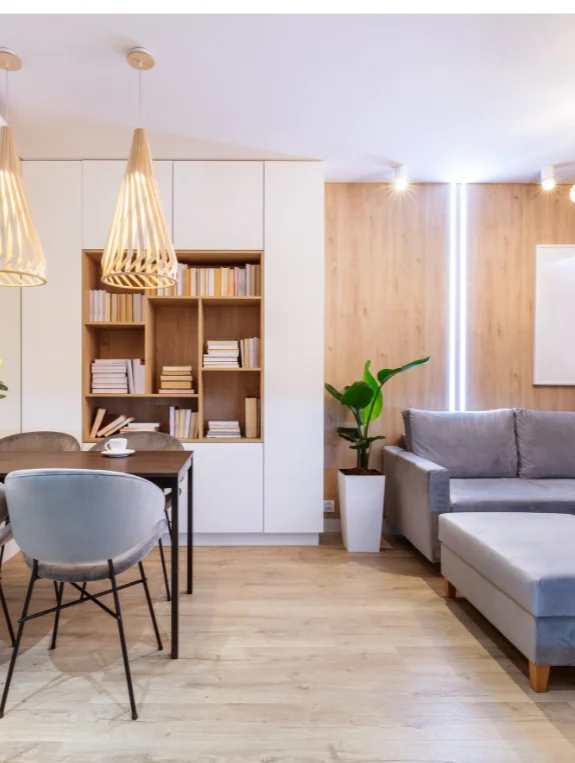
The Space-Smart Seating Solutions:
- Floating sofa angled away from wall creating conversation zone — opens the room visually while creating the seating anchor
- Two accent chairs in compact size on opposite side from sofa — creates opposing seating without taking extra floor space
- Ottomans with hidden storage that function as extra seating — additional seating that stores blankets or items inside
- Bench seating along one wall if space allows — linear seating takes less visual space than individual chairs
- Layered low furniture that does not block sightlines — low-profile seating allows the eye to travel over tops of pieces
- Modular sectional that configures to the specific space — pieces that work separately or together adapting to need
- Wall-mounted or floating shelves above seating — vertical storage above seating does not add floor clutter
- Seating in same color family as walls — seating that blends visually takes up less mental space
- Clear acrylic or glass side tables beside seating — visual lightness keeps the room from feeling heavy
- Minimal decorative objects around seating — clear surfaces around seating make the seating feel like design not clutter
The Formula That Changes Everything
Floating furniture in conversation arrangement instead of pushed against walls, plus low-profile pieces, plus visual lightness equals maximum seating in minimum visual footprint.
The Fundamental Mistake That Makes Small Living Rooms Feel Crowded
One move creates or destroys the entire space. Here it is.
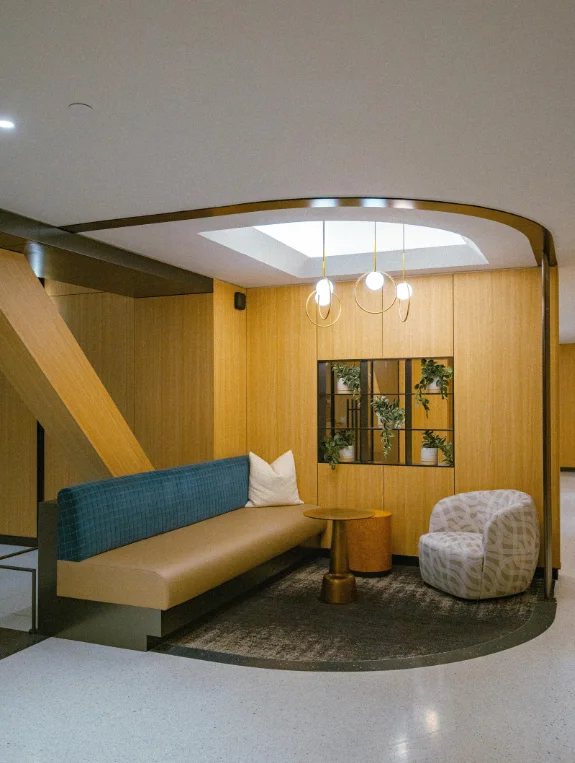
Why Pushing Seating Against Walls Actually Makes Rooms Feel Smaller
Furniture against walls creates the feeling of a defined perimeter that closes in on the space. Floating furniture in the middle creates flow and makes the room feel larger—even though it takes up space.
The Psychology of Why Conversation Seating Reads as Intentional Design
Seating arranged for conversation creates a focal point that the eye understands immediately. Seating against walls reads as “this is what we could fit,” not this is our designed gathering place.
The Proportion Rule That Prevents Seating From Overwhelming Small Rooms
Low-profile seating under 32 inches tall keeps sightlines open. Allows the eye to travel above and around the seating. High-backed seating blocks sight and crowds the space.
Formula 1 — The Floating Conversation Arrangement That Multiplies Seating
This geometry seats more people in less space. Here’s exactly how.
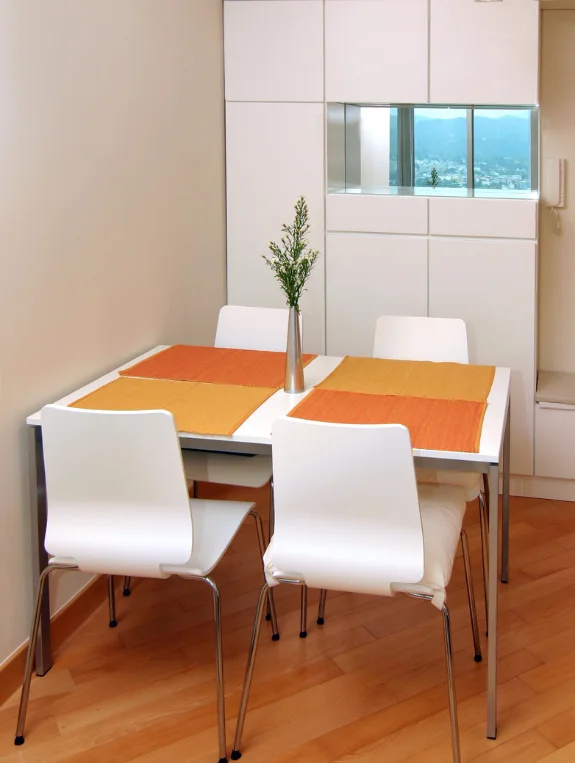
The Geometry That Works in Small Spaces
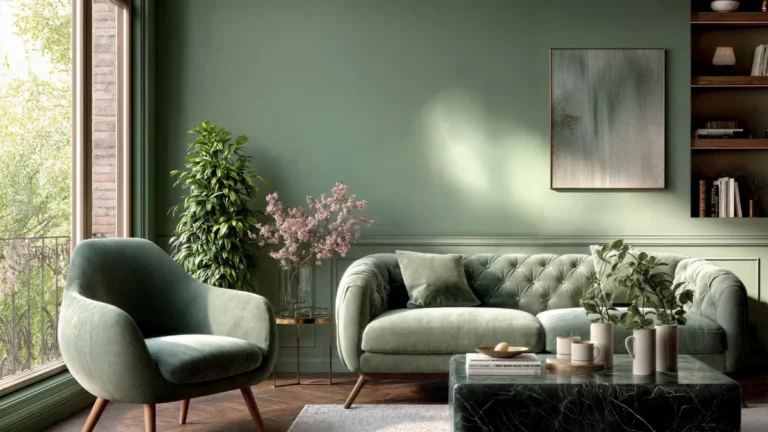
Sofa floating in the room at angle, two accent chairs facing the sofa at angles. This L-shaped or U-shaped arrangement creates intimate seating for 4–5 people in less visual footprint than sofa against wall.
The Specific Angles That Maximize Space
Sofa angled 45 degrees to wall. Chairs angled toward each other and the sofa. Nothing parallel to walls. The angles create conversation flow and better space utilization.
The Conversation Zone That Becomes the Room’s Heart
A small rug under the floating seating defines the zone. A low coffee table in the center anchors the arrangement. This zone becomes the room’s designed moment.
Formula 2 — The Low-Profile Seating Strategy That Keeps Sightlines Open
Height changes everything. Lower is bigger.
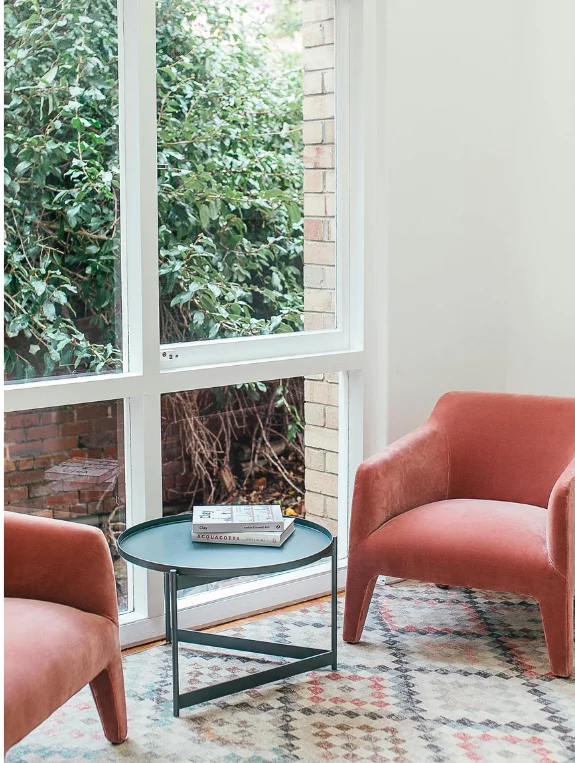
Why Low Seating Makes Small Rooms Feel Bigger Than High Seating
Seating under 32 inches tall allows the eye to travel over the tops of pieces to the opposite wall. Seating over 36 inches tall blocks sight and closes the space visually. Low profile multiplies the perceived size.
The Specific Furniture Choices That Stay Low
Low-profile modern sofa arms that don’t exceed 28 inches. Accent chairs with legs visible, not skirted. Benches under 16 inches tall. These pieces multiply seating without visual weight.
The Stacking Effect of Low Furniture
Two low pieces feel lighter than one high piece. Multiple low-profile seating options can fit in the same visual space as one traditional seating piece. This multiplication works at every budget.
Formula 3 — The Modular Seating That Adapts to Entertaining Needs
Flexibility is seating multiplied. Here’s how to build it.
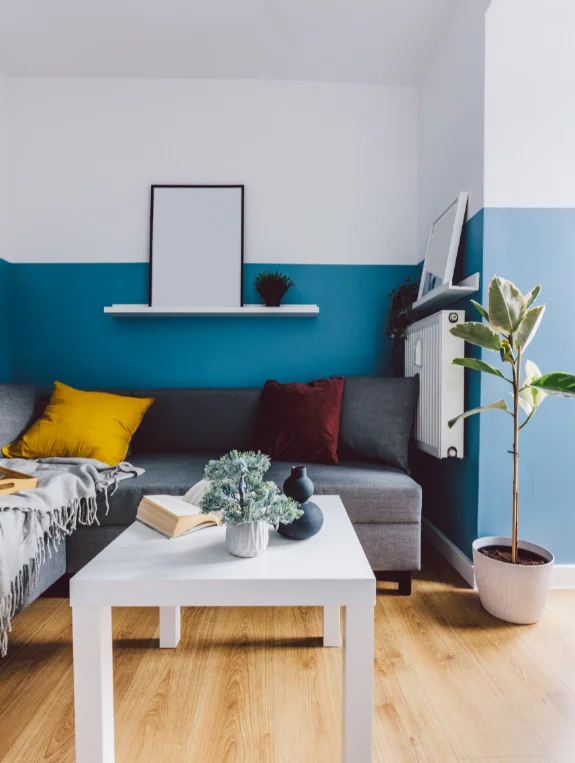
Why Sectionals Work Better Than Single Sofas in Small Apartments
A sectional that breaks into pieces. An L-shaped sectional that works as separate sofa and chaise. Modular pieces give maximum flexibility for minimum footprint.
The Ottoman Strategy That Creates Hidden Extra Seating
Ottoman with hidden storage holds blankets and items inside. Ottoman can serve as foot rest, coffee table, side table, or extra seat. This multiplicity of function multiplies effective seating.
The Nesting And Stacking Principle
Chairs that nest together. Ottomans that stack. Side tables that nest. When entertaining ends, the seating reconfigures to take up less space.
The Visual Lightness Strategy That Prevents Seating From Feeling Cluttered
Visual weight matters more than physical weight. Here’s how to lighten.
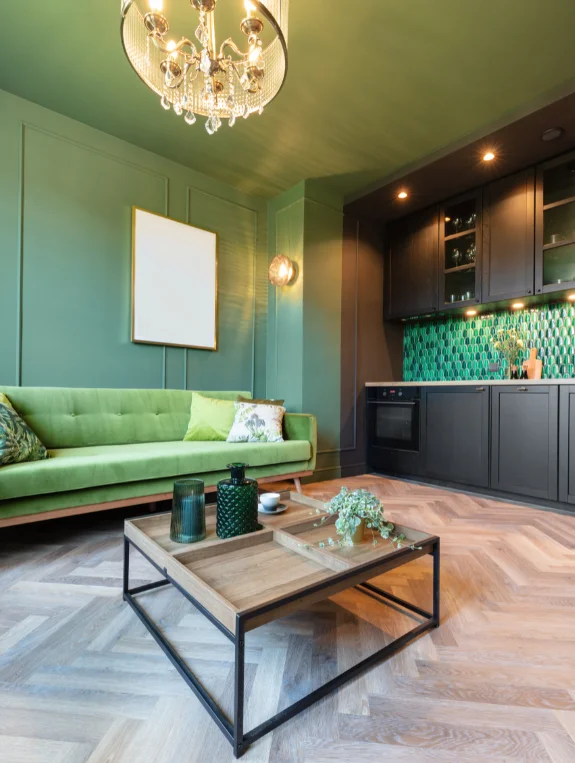
Seating in Neutral Colors That Blend Into the Walls
Seating in warm white, cream, or soft grey that matches wall colors. The seating recedes visually while still existing functionally. This visual receding allows more physical seating without visual clutter.
Seating With Visible Legs Not Skirted
Legs exposed under seating allow light and sight to pass underneath. Skirted seating blocks light and creates visual weight. Exposed legs are the single most effective lightening strategy.
Clear or Glass Surfaces That Do Not Add Visual Weight
Glass side tables, acrylic accent tables, transparent surfaces hold items functionally but don’t add visual clutter. This transparency allows more objects in the space visually.
The Complete Small Living Room Seating Formula
All three formulas together. This is what it looks like.
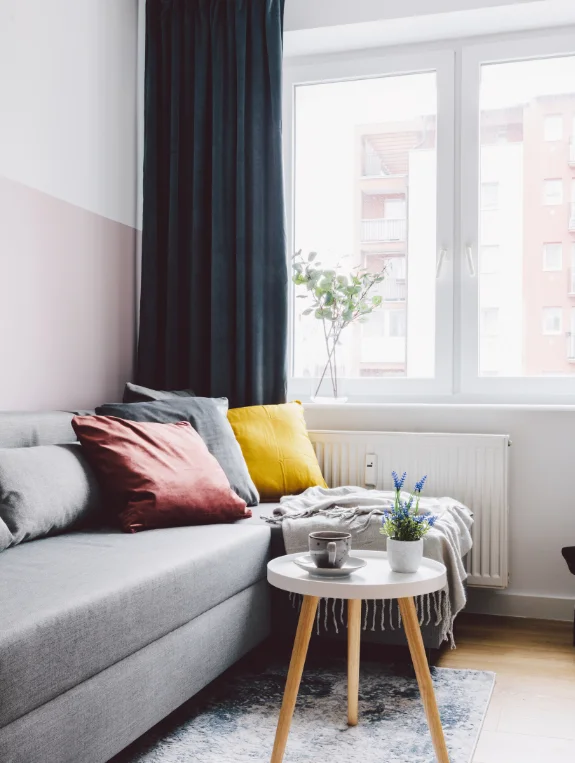
What Maximum Seating Actually Looks Like When Done Right
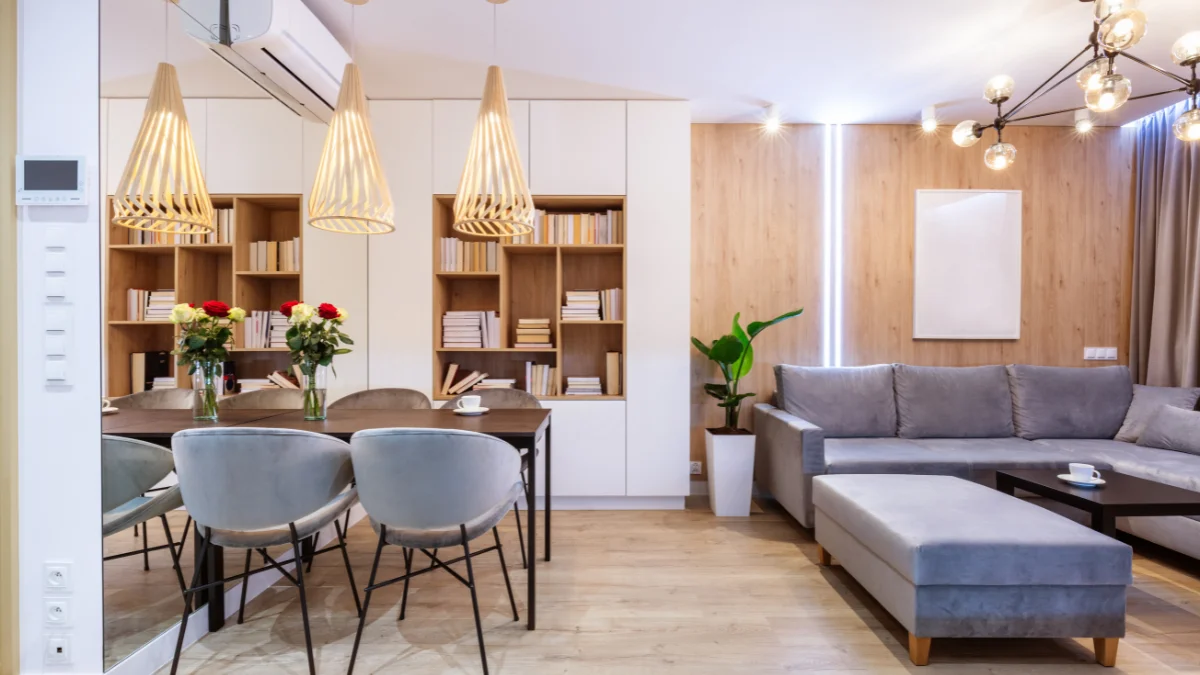
Floating L-shaped seating arrangement with low-profile pieces in neutral colors with visible legs, transparent side tables, and minimal surface decoration. The room seats 5–6 people and feels spacious.
The Entertaining Setup That Comes Together Seamlessly
When guests arrive, the conversation zone is ready. When alone, the pieces can shift for individual relaxation. The modular approach means the room serves both functions.
The Maintenance That Keeps Seating From Feeling Cluttered Over Time
Weekly reset of seat arrangement. Monthly assessment of what’s actually being used. Seasonal rotation of accent pieces. The maintenance keeps the carefully designed seating from devolving into clutter.
Where to Find Small Space Seating Solutions
Know where to shop. Every piece matters.
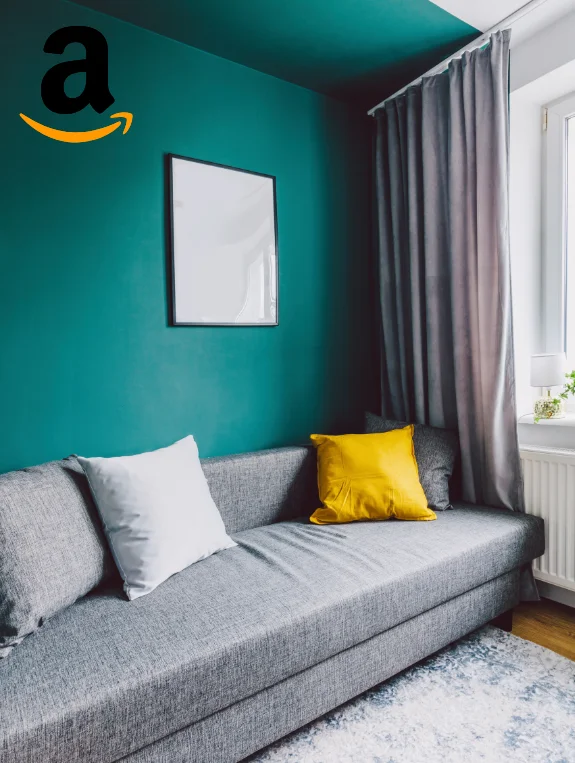
Best Sources for Low-Profile Modular Seating
Article for quality low-profile modern sectionals. IKEA for affordable modular pieces that work in small spaces. Article sectionals are investment quality pieces.
Best Sources for Accent Seating That Does Not Overwhelm
CB2 for compact chairs and ottomans designed for small spaces. West Elm for modern low-profile chairs. IKEA for affordable accent seating options.
Best Sources for Visual Lightness Elements
Amazon for clear acrylic and glass side tables. IKEA for transparent furniture options. Wayfair for a wide selection of low-profile seating in every style.
Conclusion
Small living rooms can seat everyone you want to invite when you use these formulas. Floating arrangement, low-profile pieces, modular options, visual lightness—these formulas multiply effective seating without multiplying visual clutter. Maximum comfort in minimum space.
Start this weekend with a floating conversation arrangement. Move your sofa into the room, add two accent chairs at angles. Experience how the room feels bigger and seats more people when furniture floats instead of clings to walls. Your entertaining life just transformed.