Attic Dead Zones Under Low Rooflines — What They Are and How to Make Every One of Them Useful
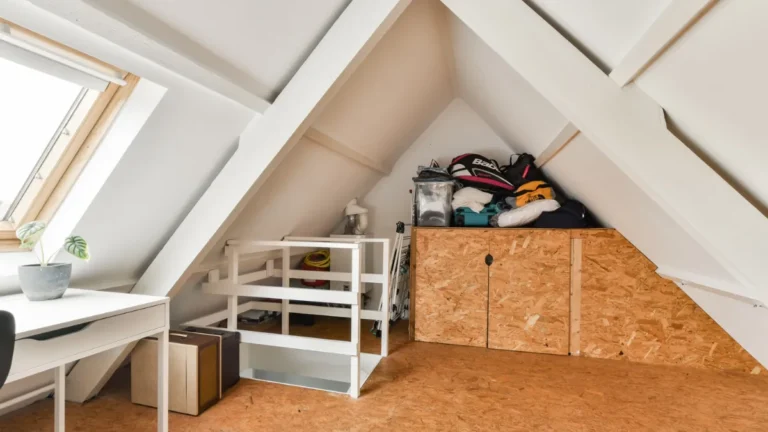
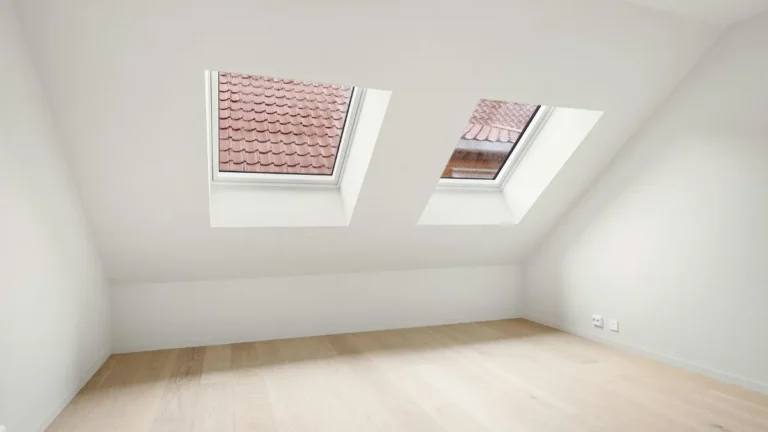
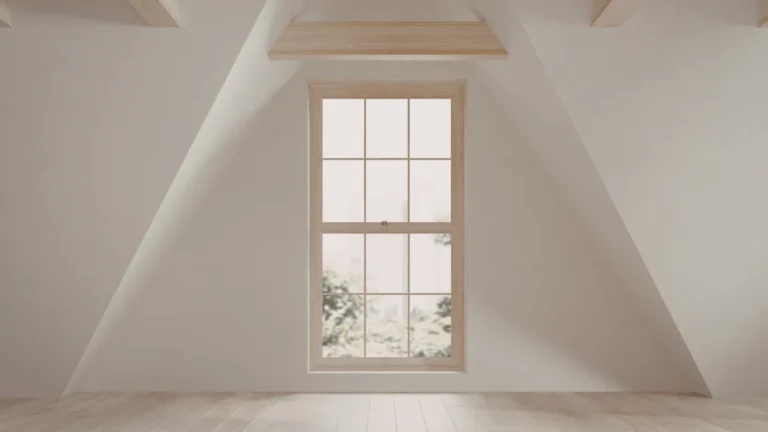
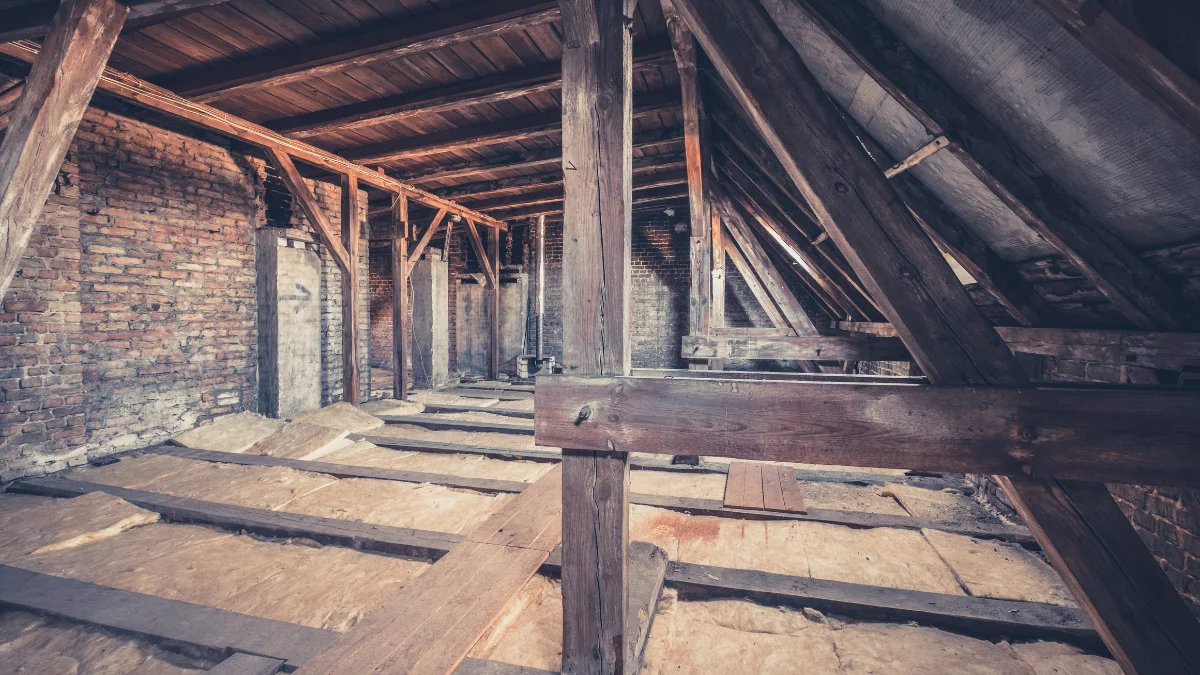
Attic dead zones are those low awkward spaces under your slanted rooflines where you can’t stand up. They happen because the roof slope creates unusable gaps behind knee walls. You make them useful by adding built-in drawers, open cubbies, bench seating, and hidden storage.
Built-ins turn wasted gaps into custom storage without adding visual weight or clutter. Using light wood, baskets, and warm layered lighting keeps the narrow attic feeling bright and intentional. It instantly makes your attic more functional, bigger, and expensive-looking.
The Space Under the Low Roofline Is Not Wasted — It Is Misunderstood
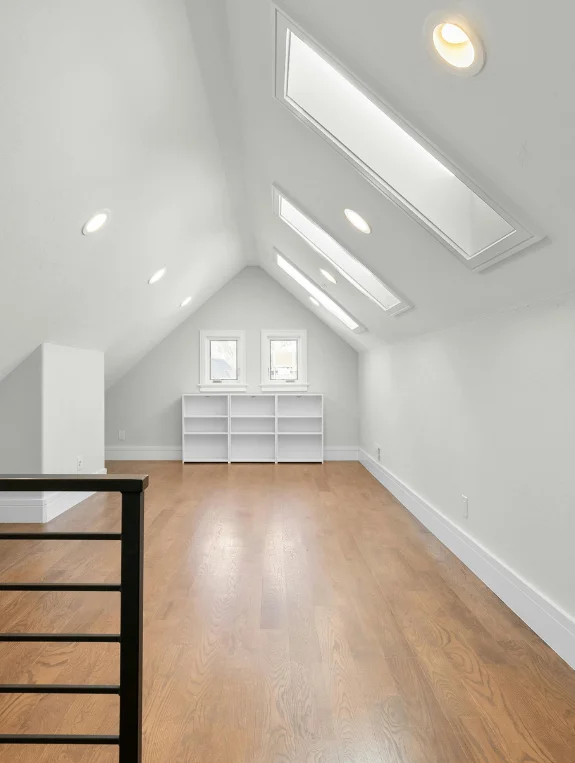
Every Attic Has Low Sections That Seem Unusable — But Every One of Them Has a Specific Function It
The section where the ceiling drops to 90cm might feel useless for furniture, but it can hold a bed headboard, a reading nook, a storage drawer system, or a plant shelf beautifully. Matching the right use to the available height is really what turns every one of these dead zones into an intentional feature rather than a wasted corner.
Dead Zones Under Rooflines Create Problems When Furniture Placement Ignores Them
Furniture placed in front of a low section blocks access to it, clutter fills the gap instead, and the whole zone starts reading as an awkward problem. That same zone, treated correctly, tends to become the most interesting feature in the room.
The Low Roofline Dead Zone Types and Their Solutions
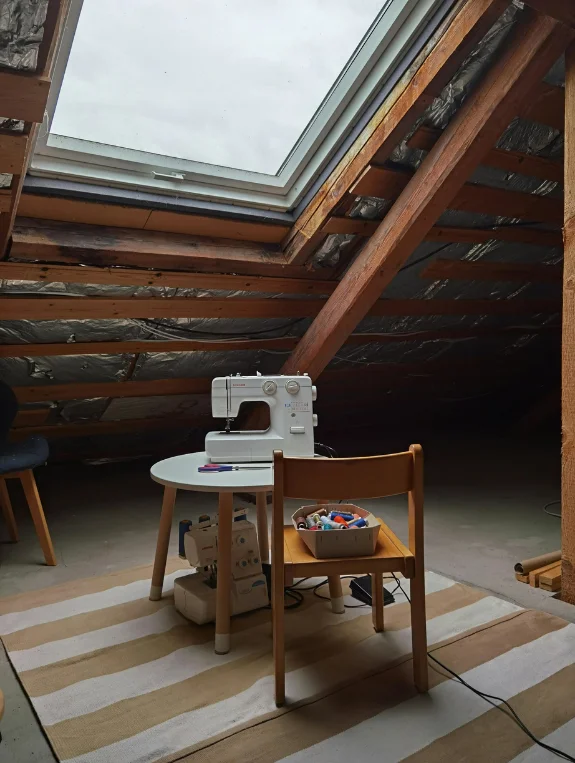
Dead Zone Types and Matched Solutions
- Under 60cm clearance — floor-level storage drawers or fitted pull-outs only
- 60cm to 90cm clearance — a low platform bed headboard or reading cushion installation
- 90cm to 120cm clearance — a low bookshelf, seating bench, or storage ottoman
- 120cm to 150cm clearance — a desk for children, writing surface, or low wardrobe
- 150cm plus clearance — an adult desk, wardrobe, or full shelving system
- A full-length run at consistent low height — a continuous fitted bench with storage beneath
- The triangular corner where two slopes meet — a triangular built-in storage unit or display shelf
- The section directly behind the knee wall — accessible cavity storage with a fitted door
The Most Common Dead Zone and Its Best Solution
Out of everything on this list, the 90 to 120cm section running along the full width of the attic tends to show up most often. It’s too low to stand in but perfectly suited to a continuous built-in storage bench with a cushioned top, turning it into both the room’s most comfortable feature and its most efficient storage at the same time.
The Storage Drawer Solution for the Lowest Sections
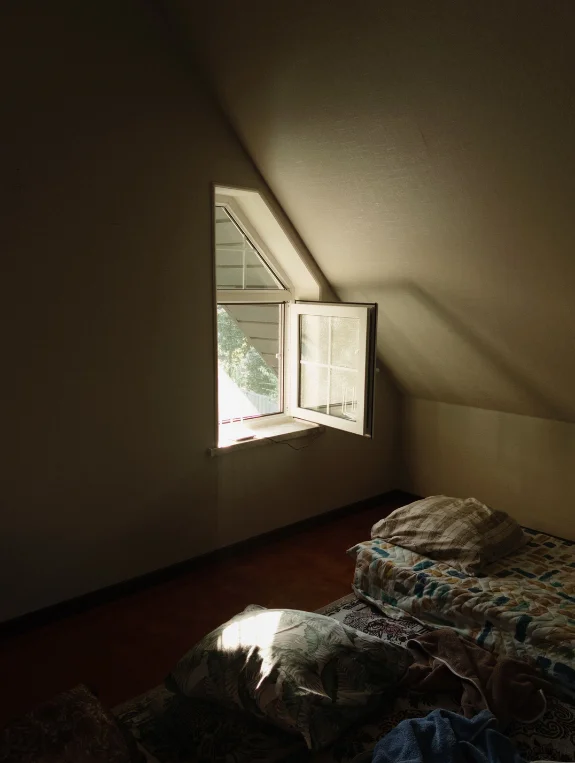
Pull-Out Drawers That Use the Lowest Dead Zones
Where clearance sits under 90cm, low-profile pull-out drawers on full extension slides open horizontally from the face of the low section, making the full depth accessible without ever needing to crouch. It turns the lowest part of the slope into genuinely organized seasonal or textile storage.
The IKEA ALEX Drawer Unit Adapted for Low Sections
IKEA’s ALEX drawer unit, standing 58cm tall, fits neatly within the 60 to 90cm range and slides out fully for easy access. It’s a solid semi-custom solution that doesn’t require any bespoke joinery to get the same effect.
Under-Eave Flat Storage Trays on Casters
Flat platform trays on casters, slid into the lowest sections, hold suitcases, spare bedding, and seasonal items flat, then roll out easily for access. It’s zero-installation storage for the lowest dead zone, and the whole setup costs under $50.
The Reading Nook That Uses Mid-Height Dead Zones
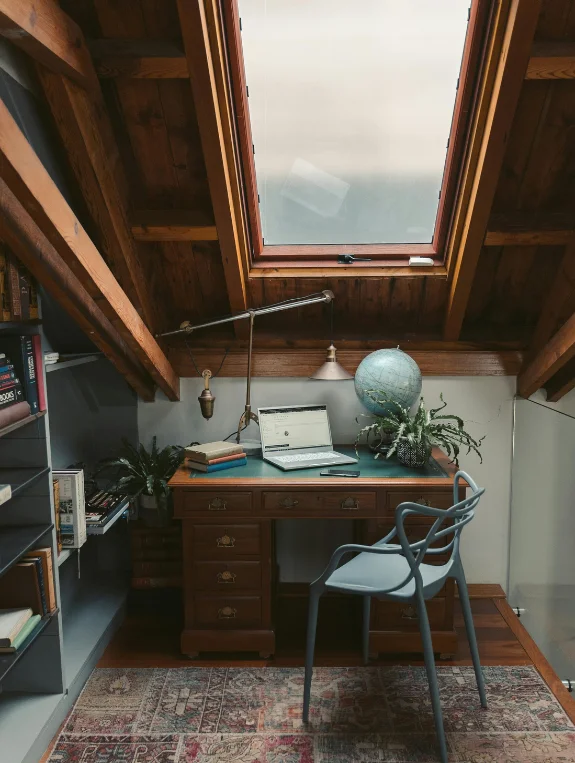
A Cushioned Platform in the 90 to 120cm Section
A fitted timber platform at the base of the slope, topped with a cushion, creates a reading nook exactly where the ceiling allows sitting but not standing. It’s the kind of dead zone that quietly becomes the most beloved spot in the entire house.
Bookshelves Built Into the Sides of the Reading Nook
Shelving built into each side of the reading cushion keeps books accessible right from the seated position, turning the dead zone into a small nook library in its own right.
Lighting Inside the Nook That Makes It Feel Magical
A small warm sconce above the cushion, or fairy lights strung around the nook frame, create an enclosed, warmly lit reading space that becomes the most atmospheric corner in the whole attic once night falls.
The Continuous Bench That Transforms Long Dead Zones
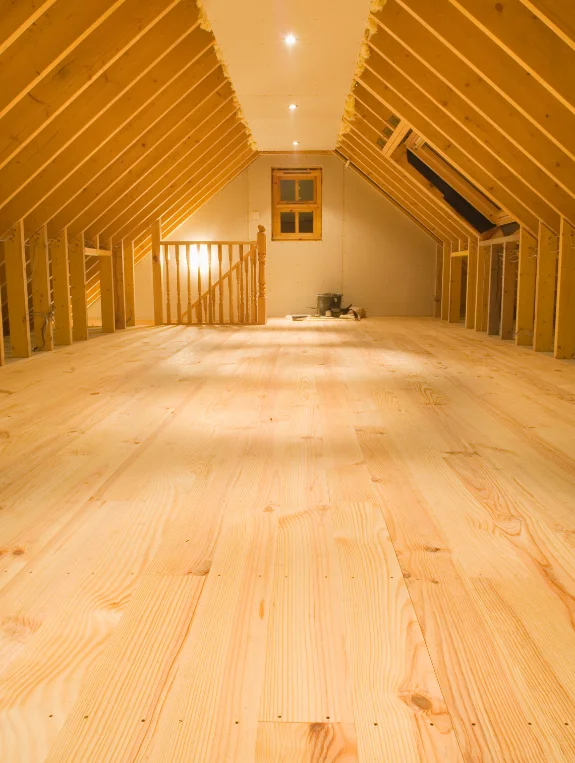
A Full-Width Fitted Bench Along the Low Section
A continuous timber bench built along the full width of the low roofline section, at a 45cm seat height with storage drawers built in beneath, provides seating, storage, and a visual anchor along the attic’s most architecturally complex edge all at once.
The Window Seat Bench Where a Low Velux or Gable Window Sits
Where a low window happens to sit in or near the dead zone, a fitted seat installed beneath it uses the dead zone practically while creating one of the most desirable features an attic can have.
Cushion and Textile Styling That Makes the Bench a Feature Not Furniture
A long custom cushion on the bench, three coordinating throw pillows, and a small plant at the end are what make the whole bench read as a designed feature rather than just a workaround for awkward space.
The Plant and Display Zone for Very Low Sections
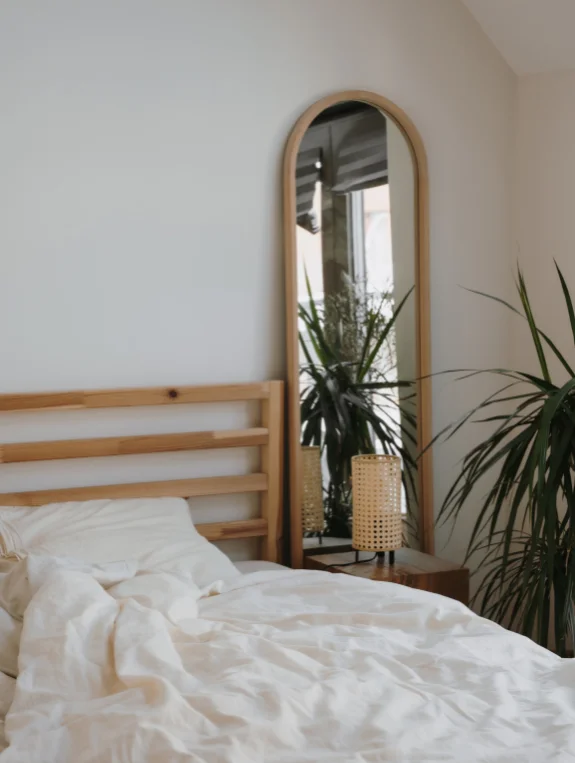
A Low Plant Shelf at the Lowest Roofline Point
Where clearance drops under 60cm, a simple low shelf holding trailing plants that cascade downward rather than growing upward turns the dead zone into a living display shelf visible from the main part of the room.
Trailing Succulents and Cascading Ferns for Very Low Zones
String of pearls, trailing sedum, and a Boston fern in a shallow pot all stay low and trail outward naturally, making them an easy living treatment for a dead zone that simply doesn’t have the height for anything taller.
LED Strip Lighting Along the Low Zone Edge for Atmosphere
A warm LED strip along the base of the slope edge fills the lowest section of the room with a ground-level glow. It’s about a $15 addition that makes the lowest, most awkward part of the attic feel like a genuine design decision.
The Children’s Specific Dead Zone Solutions

A Low Play Tunnel or Den Under the Slope for Young Children
A low clearance section can become a play tunnel or private den for young children, with a cushioned floor and fairy lights inside, sized just small enough that only kids can comfortably enter. It’s the kind of dead zone that becomes the most magical play space in the whole house.
A LEGO or Model Display Shelf Running the Low Section
Low shelving at the base of the slope, sitting right at floor level, holds LEGO models, railway layouts, or collection displays, turning the dead zone into organized display storage for a child’s treasures.
A Teen Reading Retreat Using the Mid-Height Dead Zone
A cushioned platform with throw pillows and a phone charging point gives a teenager privacy and a genuine sense of personal territory, the kind of architectural detail that makes a teen’s attic bedroom feel genuinely loved rather than just occupied.
Where to Find Dead Zone Solution Products
Best Sources for Built-In Bench and Storage Components
IKEA offers drawer units and bench components that adapt well to low sections, Amazon carries pull-out drawer systems and castored storage trays, and a local joiner is worth calling for any truly bespoke fitted solution.
Best Sources for Plants Lighting and Cushion Finishing
Home Depot and local garden centers are good sources for trailing plants, Amazon covers LED strips and warm sconces, and IKEA and Target both offer bench cushions and coordinating textiles.
Conclusion
Every dead zone under a low roofline genuinely has a function, the real job is just matching the right solution to the available height. Under 60cm calls for pull-out storage, 60 to 120cm suits a reading nook or bench, 120cm and above works for a desk, wardrobe, or shelving, and a full-width run is perfect for a continuous fitted bench.
Before buying anything, it’s worth measuring every dead zone in the attic and assigning a function to each one based on its height, since that small planning step is what makes every subsequent purchase correct and every dead zone genuinely functional.