Biophilic Living Room Design That Brings Nature Into Your Urban High-Rise Apartment
Hey friend!
Living in a concrete urban high-rise can sometimes feel totally disconnected from the outside world, leaving your apartment feeling a bit cold and sterile.
I totally know what it’s like to crave a little bit of green when you’re surrounded by glass and steel.
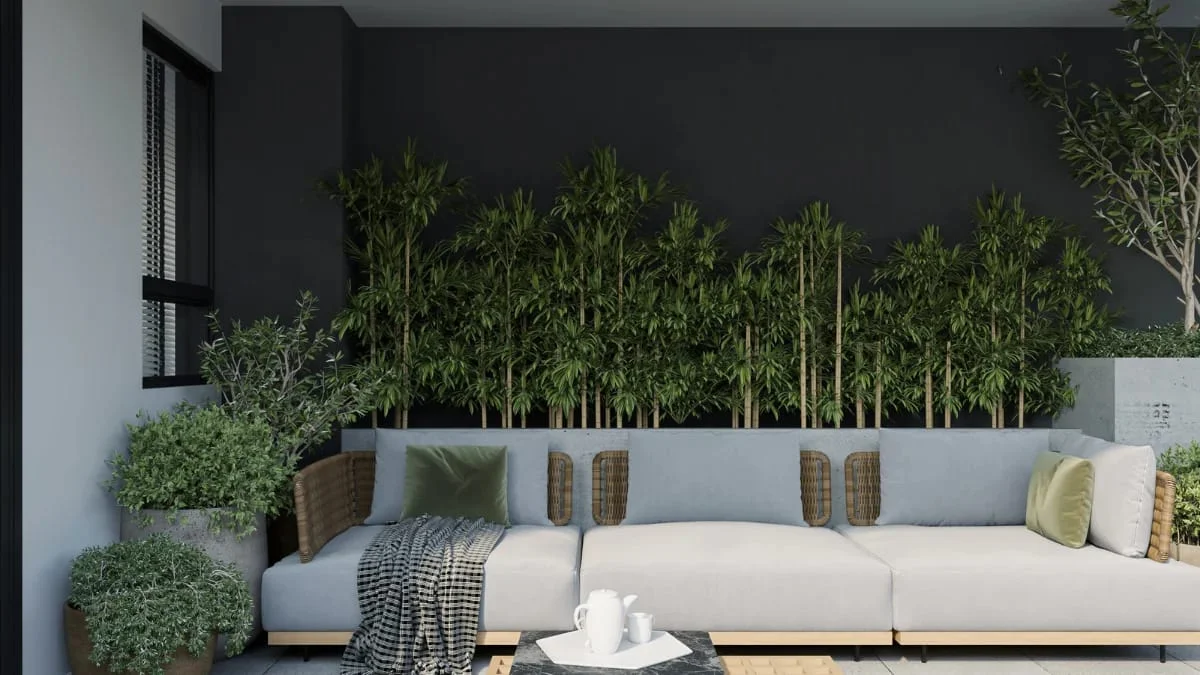
In this guide, I’m sharing the best biophilic living room design ideas that bring nature right into your urban apartment—from low-maintenance statement plants and natural wood accents to earthy color palettes that instantly turn a boxy high-rise into a calm, organic sanctuary!
Why Urban Apartment Dwellers Need Nature Design More Than Anyone Else
You evolved in natural environments. Your nervous system expects plants, water, natural light, and organic materials.
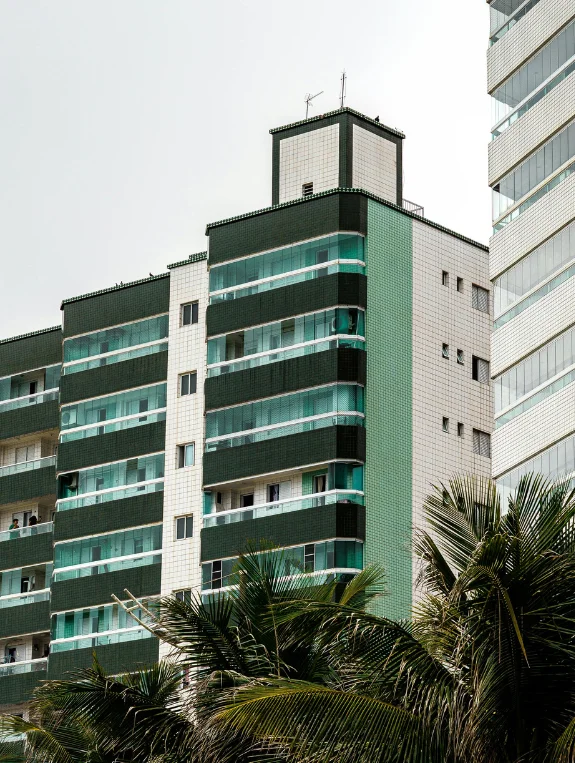
Living 30 stories up in a concrete building is the opposite. Your living room is where you reconnect.
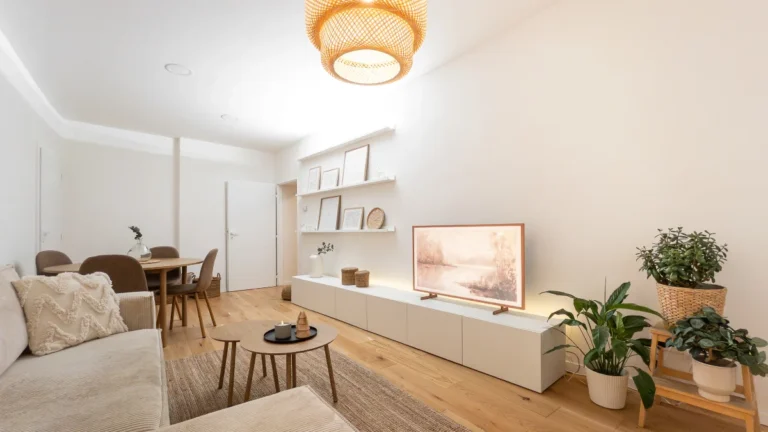
To keep your plant-filled room from feeling overly busy, balance organic textures using warm minimalist living room styling
Living Floors Above the Ground Disconnects You From Nature and Your Living Room
Your body evolved in natural environments with plants, water, natural light, and organic materials. An apartment 30 stories up in a concrete building is the opposite of this. Designing your living room around biophilic principles is not just decoration—it is survival. It’s your nervous system finding its way home.
Biophilic Design Is Not About Having a Plant Collection
A space designed around natural principles feels alive because it includes life. The air is cleaner, the mood is better, the stress is lower.
This is not sentiment. It is biology. Your body recognizes living systems and responds with calm.
The Biophilic Living Room Elements That Actually Work
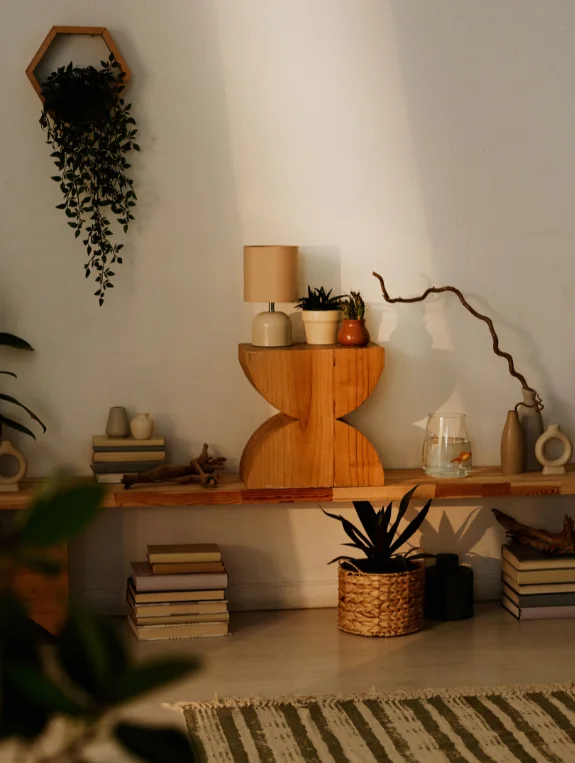
Here are the biophilic elements that create real, measurable change in your space and nervous system.
The Complete Biophilic Living Room List:
- Large leafy plants in every corner — fiddle leaf fig, rubber plant, monstera — mass and presence matter
- Trailing plants on high shelves — pothos, heartleaf philodendron — cascading green from above
- Natural wood in furniture and accents — warm honey wood, not bleached, not grey — wood that feels alive
- Natural stone or organic textures — jute, rattan, leather, unglazed ceramic — materials that feel like they grew
- Water element or water sounds — fountain, bird bath, water feature, or just the sound playing softly
- Natural light maximized — curtains that allow light through, not block it — sunlight as a design element
- Organic shapes, not geometric — curved edges, rounded corners, natural asymmetry — nothing perfectly straight
- Earth tones and nature colors — greens, browns, warm whites, soft grays — colors that exist in nature
- Natural air flow — windows that open, plants that improve air quality — breathing air, not recirculated
- Connection to natural patterns and cycles — plants that change seasonally, lighting that changes with daylight — rhythm matching nature
The Single Most Important Biophilic Element
Living plants. Not just one, but multiple throughout the space. Plants that you engage with, water, tend to propagate.
This active engagement with living things is what creates genuine biophilic benefit. You’re not just looking at nature. You’re participating in it.
The Science Behind Why Biophilic Design Works in Urban Apartments
This isn’t sentiment. This is biology. Here’s the science.
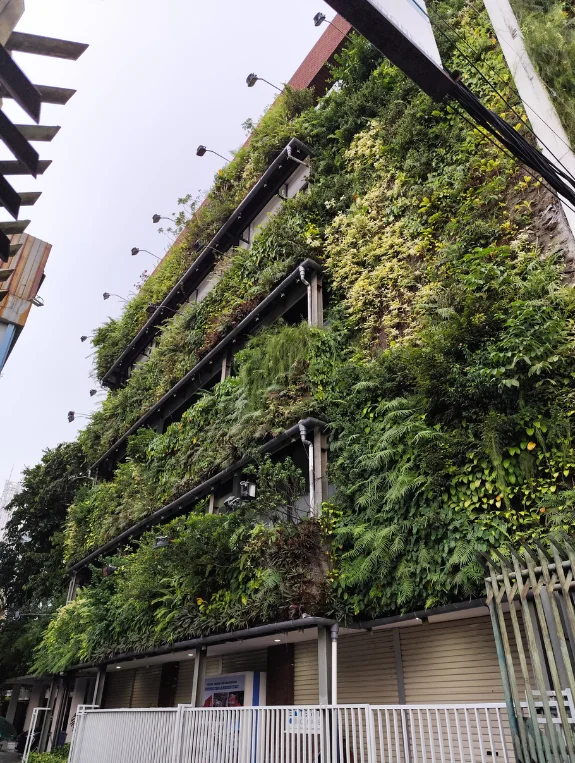
Your Nervous System Actually Calms in Spaces With Nature Elements
Humans spent 99 percent of our existence in natural environments. Your nervous system recognizes natural materials, plants, and organic shapes as safe.
In a biophilic space, your stress hormones literally drop. This isn’t psychological. It’s neurological. Your body knows it’s in a safe place.
Adding natural greenery, woven basket planters, and soft lighting is an effortless way to gather cozy aesthetic apartment living room inspiration
Plants Do Not Just Look Like They Are Filtering Air — They Actually Are
A living room with 10 plants grows noticeably cleaner air than one without. Humidity improves, oxygen increases, toxins decrease.
This is measurable, not sentimental. Your body feels the difference. You’re not imagining that you breathe easier. You are breathing easier.
The Neurochemistry of Being Surrounded by Plants
Looking at plants and engaging with plants increases serotonin, decreases cortisol, improves focus.
This is why biophilic spaces feel better—not why they just look better. The biology is doing the work. Your mood improves because your brain chemistry changes, not because the room looks pretty.
How to Build a Biophilic Living Room in an Urban Apartment
Here’s the three-layer system that creates a genuine living biophilic space.
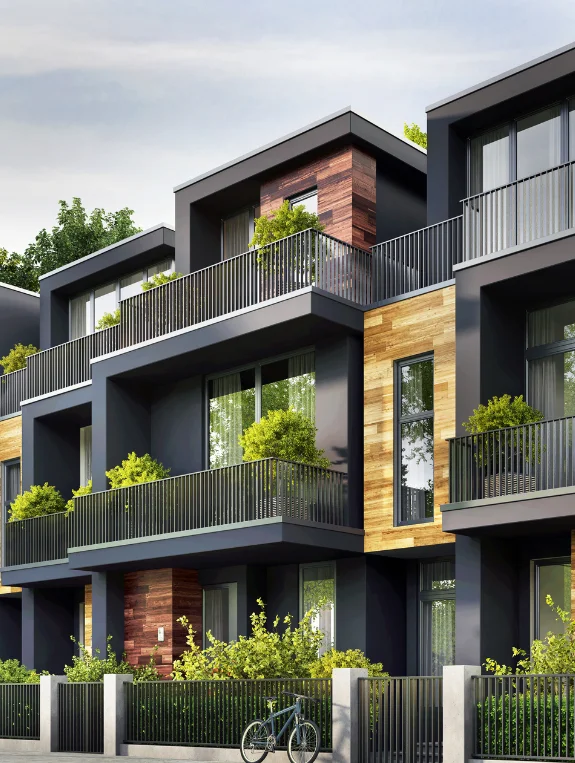
Layer 1 — The Anchor Plants That Establish the Green Foundation
One large fiddle leaf fig or monstera deliciosa in the corner, one rubber plant beside the window, one tall palm-like plant in another corner.
These large statement plants should occupy actual floor space, make a presence, be noticeably alive. Anchor plants are the foundation. They set the tone.
Layer 2 — The Trailing Plants That Bring Green From Above
Pothos on a high shelf trailing down the wall, heartleaf philodendron cascading from a floating shelf above the sofa, spider plant hanging in the window.
Green that comes from above creates a canopy feeling inside. You’re surrounded by life. This layering is what makes a space feel genuinely biophilic.
Layer 3 — The Small Accents That Complete the Living System
Small succulents on the coffee table, a small plant on the bookshelf, a cutting in water on the side table.
These small touches make the biophilic feeling complete and show engagement with the plants. You’re not just decorating. You’re building a living system that responds to your care.
The Material Choices That Make Biophilic Design Feel Authentic
Materials matter. Real materials create real biophilic response.
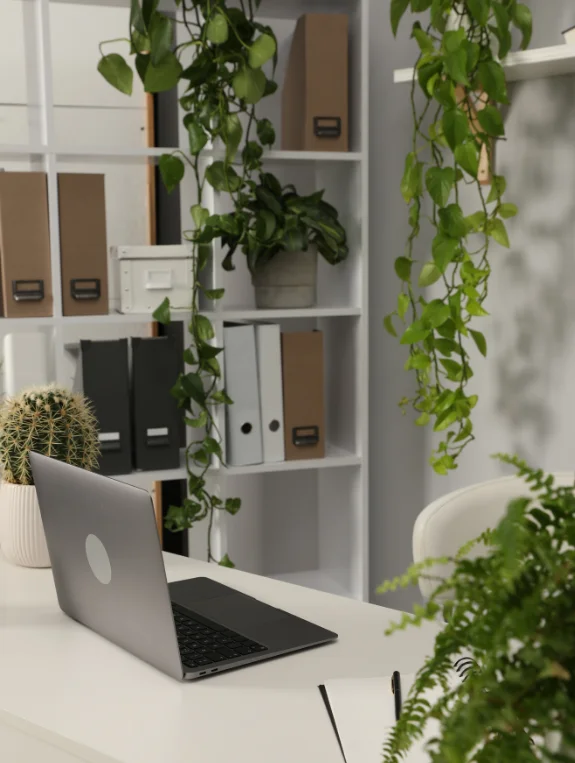
Why Wood Furniture Changes How a Biophilic Space Feels
Warm honey wood looks alive. It has grain variation, color variation, texture. Synthetic materials look flat and dead by comparison.
A wooden coffee table in a biophilic room does more work than any plant alone. Wood signals authenticity to your nervous system.
Keep your biophilic layout airy and functional by choosing lightweight furniture options from these clutter-free seating ideas for small living rooms
Natural Fibers That Feel Living Not Manufactured
Jute rugs, rattan shelving, leather throw, unglazed ceramic vases—these materials have imperfection, have texture, have the feeling of being grown or shaped by nature.
They are not perfect, which is what makes them feel real. Imperfection is authenticity.
The One Synthetic Element That Is Allowed — And Why
If a plant cannot survive in your lighting, a high-quality faux plant is better than a dead real plant. The biophilic principle is about living connection.
A beautiful faux plant surrounded by real ones is an acceptable compromise, not cheating. Biophilic design is about what works for your space and your life.
The Biophilic Living Room Setup for Different Urban Apartment Situations
Biophilic design adapts to your specific situation. Here’s how.
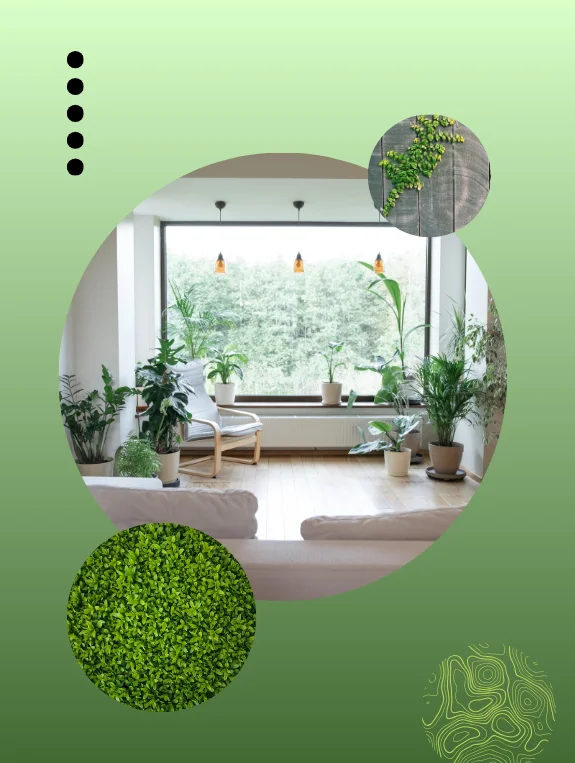
The High-Rise Apartment Facing North With Limited Light
Trailing pothos, which thrives in low light. Snake plants in the corners. Faux fig as the statement piece. LEDs positioned to mimic sunlight.
The biophilic space works even without natural light. Limited light is not a limitation. It’s a different approach.
Low light doesn’t stop biophilic design.
The High-Rise With Big Windows and Excellent Light
Go bold. Large plants everywhere. A living wall of trailing plants on one wall. Plants on every shelf. The abundance of plants and light creates a genuine indoor jungle feeling that is deeply biophilic. You’re building an ecosystem, not just decorating.
The High-Rise With No Balcony and Sealed Windows
Closed window systems mean dry air. A humidifier becomes a key biophilic element. More trailing plants from above.
Water fountain sounds or actual water elements. Creating humidity becomes part of the biophilic design. Sealed windows are not a problem. They’re a different solution.
Sealed windows need water elements.
The Colors and Textures That Support Biophilic Design
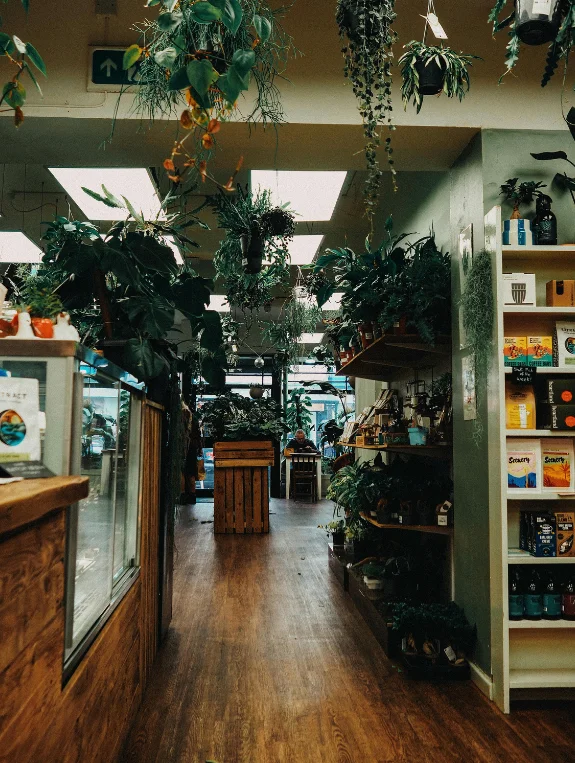
Color and texture complete the biophilic system.
Why Green Is the One Color That Should Dominate a Biophilic Space
Earth tones, warm whites, soft grays as supporting colors—but green from plants as the dominant visual element. This color palette reflects what nature actually looks like. Let the plants be the color story.
The Texture Combination That Feels Most Natural
Rough jute, smooth ceramic, soft leather, living plant texture—varying textures create the feeling of an actual natural environment, not just decoration. Your fingers feel biophilic design as much as your eyes see it.
The Lighting That Supports Rather Than Competes With Plants
Warm light that comes from below, mid-level, and above. Never harsh direct light that washes out green.
Warm light on green plants creates the most biophilic feeling lighting possible. Light serves the plants, not the other way around.
The Practical Biophilic Living Room That Actually Works Long Term
Biophilic design only works if you can maintain it. Here’s how.
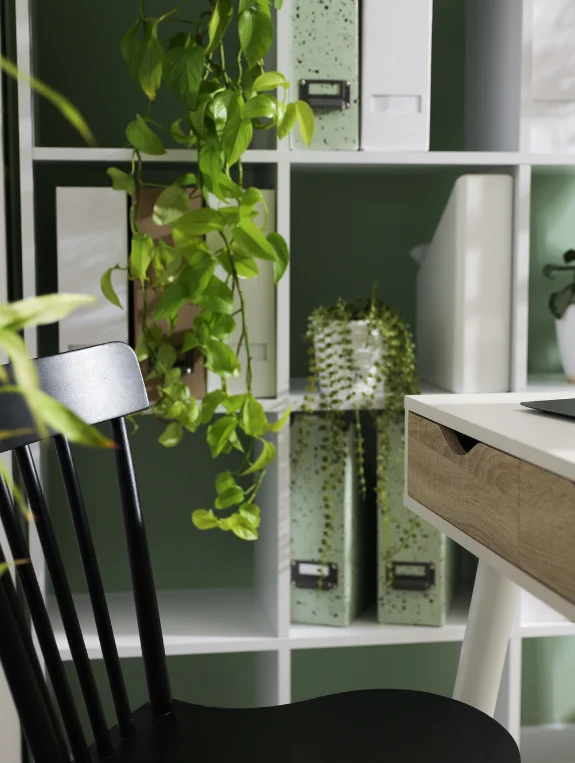
The Plant Care System That Prevents Death and Disillusionment
Choose plants you can actually keep alive in your light and conditions. Watering schedule on your phone.
Humidity check weekly. Engagement with plants is biophilic success. Success isn’t about having perfect plants. It’s about having living plants you care for.
The Slow Growth Strategy That Creates Connection Over Time
Start with three statement plants and two trailing plants. Propagate cuttings over months. Watch the space become more alive gradually.
The slow building is part of the biophilic journey, not a weakness. Connection builds over time.
The Seasonal Rotation That Keeps Biophilic Design Fresh
Summer plants different from winter plants, different species in different seasons. The changing plants create connection to seasonal natural cycles even in a high-rise apartment. You’re not just decorating. You’re participating in nature’s rhythms.
Where to Shop for Biophilic Living Room Elements in the USA
Know where to find living plants and natural materials.
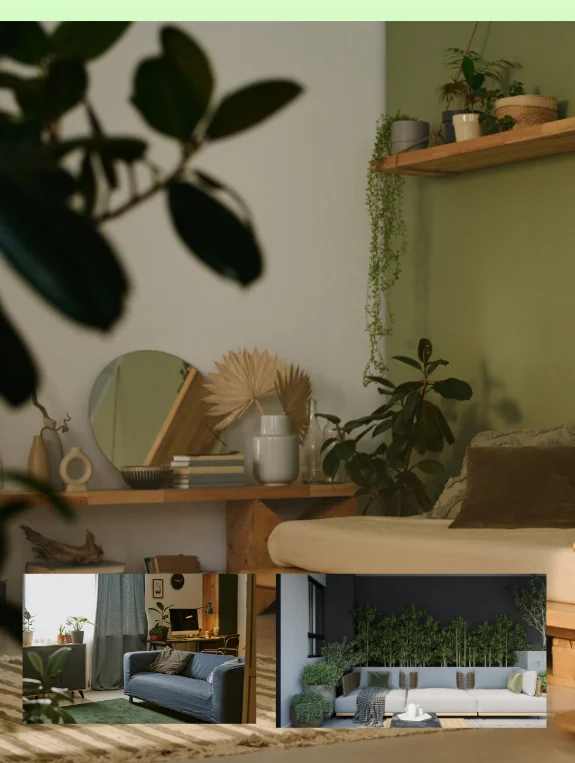
Best Sources for Healthy Statement Plants
Local plant nurseries for custom advice and healthy specimens. The Sill for mail-order quality plants with care instructions.
Home Depot for bulk plant shopping at budget prices. Healthy plants matter. Start with quality specimens.
Best Sources for Natural Wood and Biophilic Materials
Article for naturally sourced wooden furniture that feels alive. West Elm for thoughtfully designed biophilic accents.
Etsy for handmade ceramic and natural elements that feel organic. Natural materials matter as much as plants.
To ground your plant decor with soothing tones like cream, beige, and warm taupe, check out these neutral apartment decor ideas
Conclusion
A biophilic living room is not just beautiful. It actually heals. Your nervous system feels the difference. Your stress hormones respond. Your air quality improves. The biophilic apartment is not luxury—it is health. And humans in high-rises need it more than anyone.
Start this week with three large plants and one trailing plant. Watch how the room changes as the plants grow and establish themselves. Feel your nervous system calm as your brain recognizes life in the space. This is biophilic design working exactly as it is supposed to. You’re not just decorating. You’re coming home.