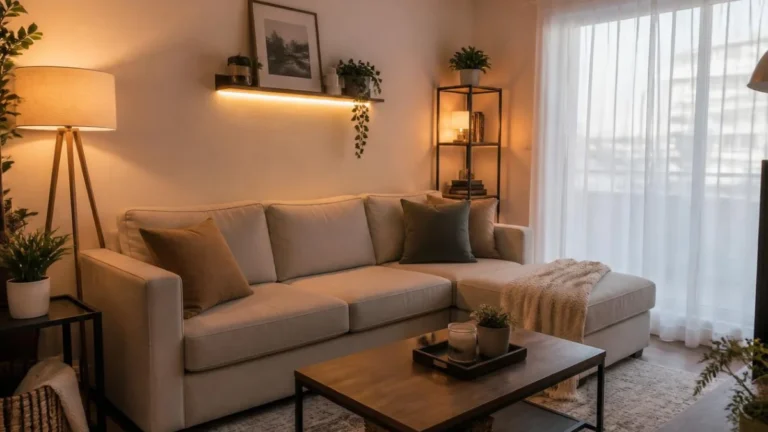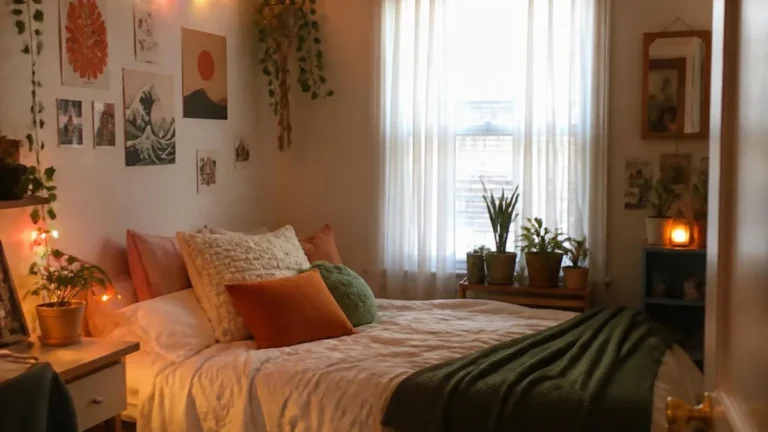
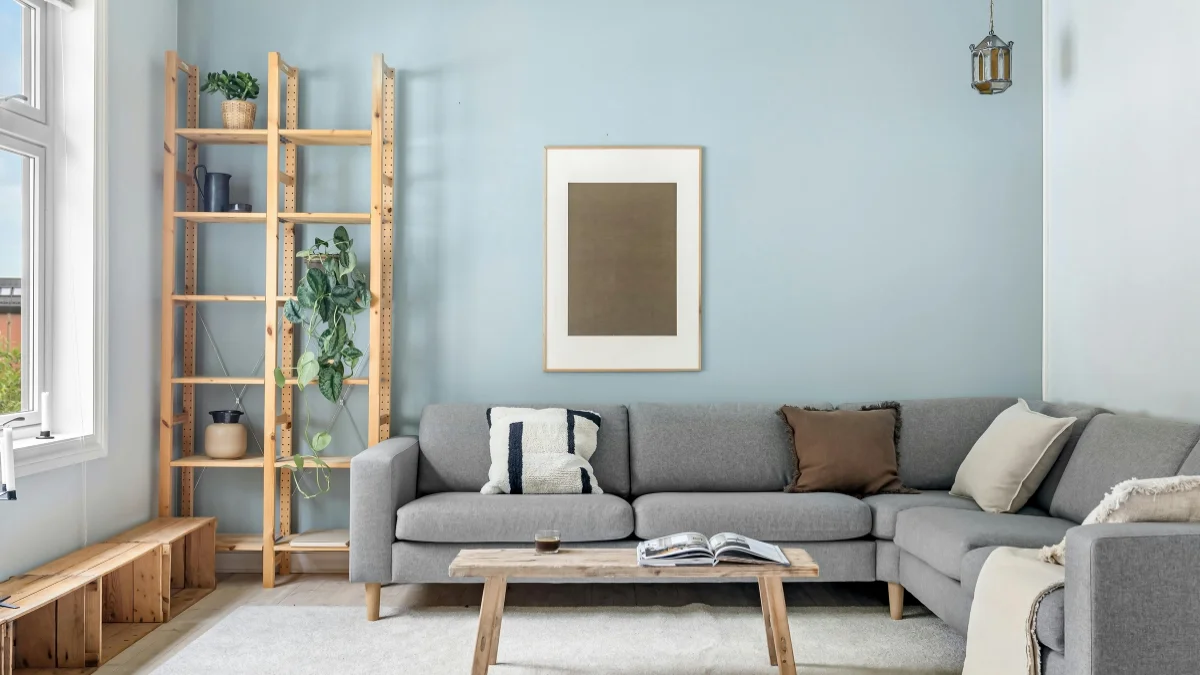
Cluttered Small Apartment Living Room Layout Mistakes Blocking Natural Light
Does your small apartment living room feel dark, cluttered, and way smaller than it actually is?
You’re probably making layout mistakes that are totally blocking your natural light without even knowing it. Pushing your big sofa in front of the window, using heavy dark curtains, and adding too much bulky furniture kills all the brightness.
Keep your windows clear, use a low-profile sofa, light-colored rugs, and mirrors to bounce the light around. I’m breaking down the exact mistakes to fix so your living room feels bright, airy, and way bigger instantly.
Layout Mistakes That Are Blocking All the Natural Light in Your Small Living Room
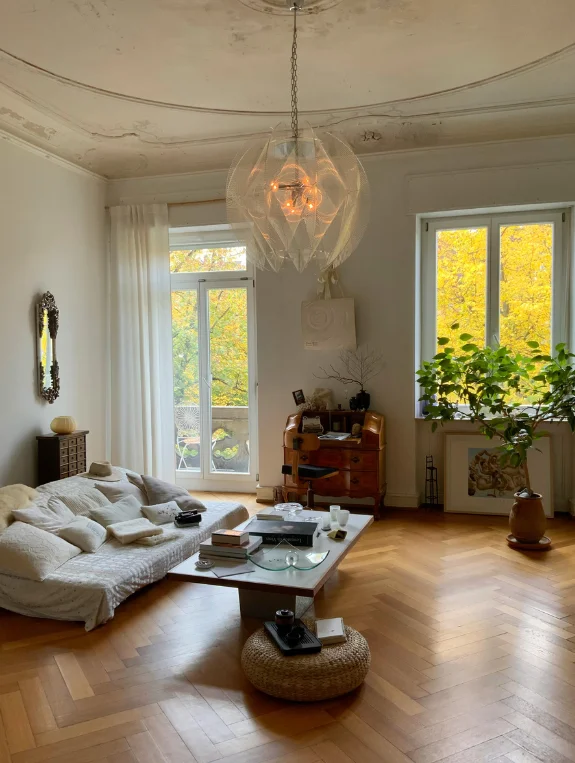
Natural Light Is the Most Valuable Free Resource in Any Apartment — and Most Renters Block It
If your living room feels darker than it should, the building probably isn’t the problem.
Many small apartments actually receive plenty of natural light, but furniture placement, layout choices, and window treatments quietly block it before it ever reaches the room.
This post identifies every one of those blockers so you can fix them, one by one.
A Living Room With Good Natural Light Feels Larger Warmer and More Expensive With Zero Additional Purchases
Before you buy another lamp or another mirror, it’s worth checking whether the natural light you already have is even being used.
Maximizing existing light costs nothing, and it usually creates more visible impact than any new lighting purchase ever could. This is the fastest, cheapest way to make a small living room feel brighter.
The Light-Blocking Mistakes at a Glance
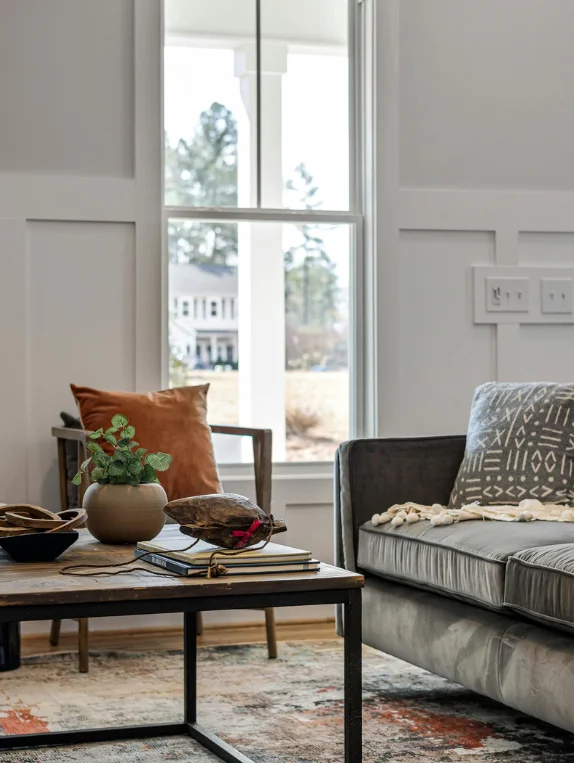
The Layout Mistakes Blocking Natural Light
- Furniture placed directly in front of windows, blocking light at the source
- Dark, heavy curtains kept closed during daylight hours
- Tall furniture positioned between windows and the rest of the room
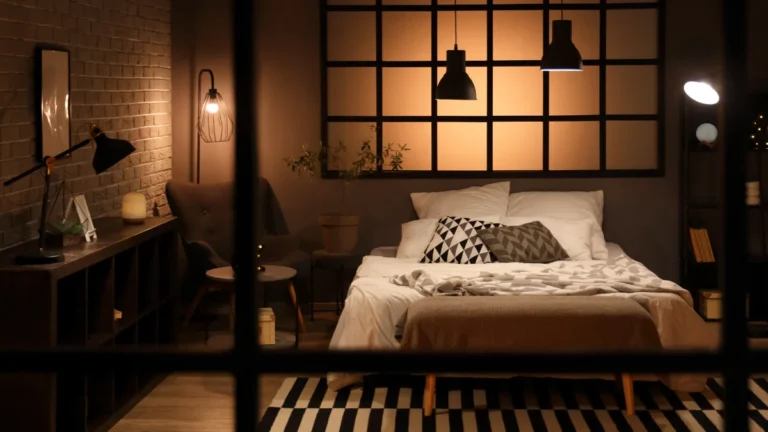
- Dark rugs and furniture absorbing light before it reaches the center
- Clutter on windowsills blocking the window opening itself
- Dark wall colors absorbing light instead of bouncing it
- Mirrors placed on the same wall as the window, reflecting light back out
- Frosted or privacy film on windows in rooms that need more brightness
The Most Common Layout Mistake That Blocks the Most Light
Out of every mistake on this list, one shows up more than any other: a sofa positioned with its back against the window wall.
This single placement blocks light from entering the room at the most common window position in any apartment. Moving the sofa perpendicular to the window, or to a different wall entirely, frees that window completely.
Mistake 1 — Furniture Against the Window Wall
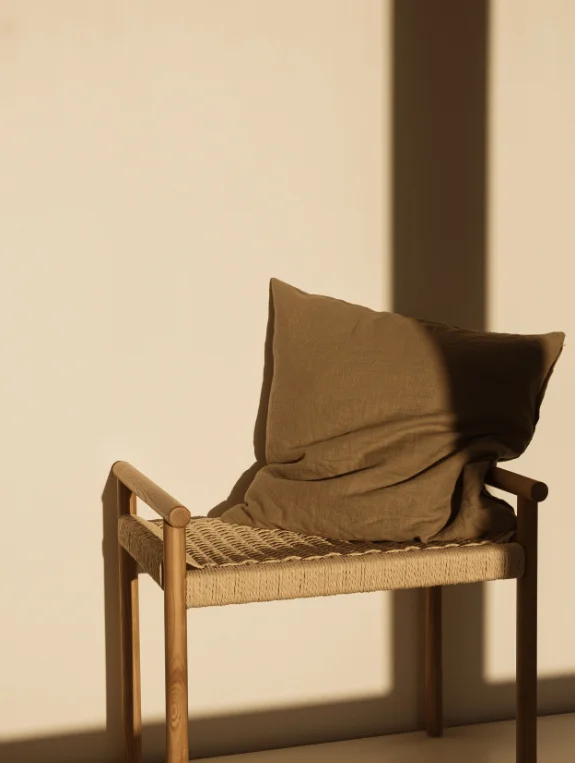
Why the Sofa Against the Window Creates a Light Barrier
When a sofa sits with its back to the window, the light hits the back cushions before it ever has a chance to travel into the room.
The living room ends up staying dark no matter how bright that window actually is outside. It’s an easy mistake to make, since it often feels like the most obvious spot for a sofa to go.
The Repositioning That Frees the Window
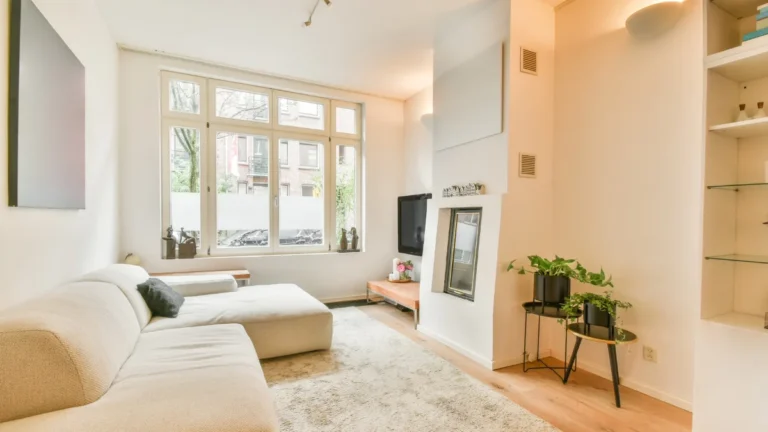
Floating the sofa perpendicular to the window wall, or moving it to face the window from the opposite wall, exposes the window fully.
Natural light can then flood into the room without anything standing in its way. The same apartment can feel like a genuinely different space just from this one change.
The Furniture-Free Window Zone That Changes Everything
Keeping a 36-inch clear zone around every window, with no furniture or decor inside it, lets light enter and travel deeper into the room unobstructed.
This clear zone is one of the single most impactful layout changes available for a dark small apartment. It costs nothing and takes an afternoon to implement.
Mistake 2 — Heavy Dark Curtains That Block Daylight

The Curtains That Are Making Your Living Room Dark All Day
Blackout curtains or heavy, dark-lined curtains can block anywhere from 40 to 70 percent of available daylight.
A room styled with these curtains often needs three times more artificial lighting just to compensate. Curtains that feel cozy in the moment can quietly be the reason a room stays chronically dim.
The Sheer Curtain Swap That Transforms Natural Light
Swapping heavy curtains for light-filtering sheer panels in warm white or cream allows 60 to 80 percent of daylight through while still providing privacy.
The room tends to feel larger, brighter, and far more connected to the outdoors almost immediately. It’s one of the simplest swaps with one of the biggest payoffs.
The Layered Curtain System That Gives Privacy Without Sacrificing Light
Hanging sheer panels on an inner rod for daytime light and privacy, with blackout curtains on an outer rod for nighttime sleep, gives full control over both.
This two-rod system means you never have to choose between brightness during the day and darkness at night. It’s a small setup that solves two problems at once.
Mistake 3 — Tall Dark Furniture Between Window and Room
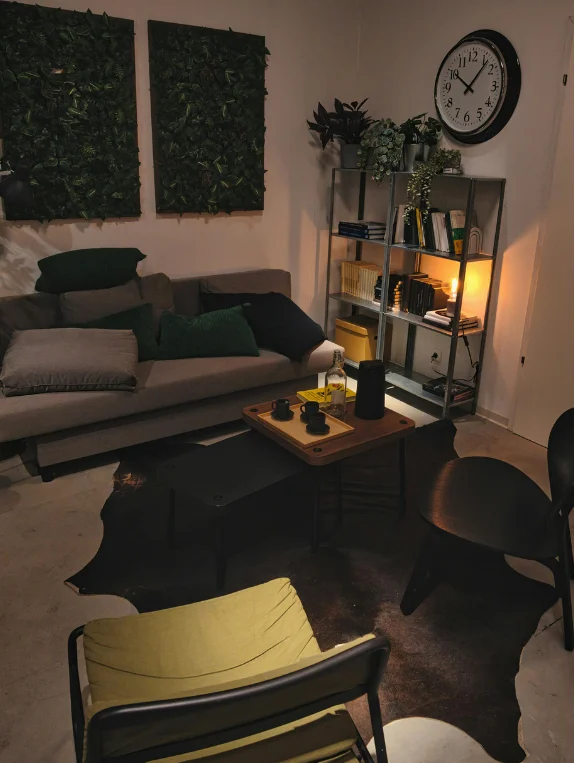
The Bookshelf or Cabinet That Creates a Light Shadow
A tall dark bookshelf or wardrobe placed beside or between windows casts a shadow that reaches well into the room.
The furniture itself effectively becomes a light blocker, even if that was never the intention. Moving it to a wall without a window removes that shadow and frees up the light path completely.
The Tall Furniture Placement That Never Blocks Light
Keeping all tall furniture on walls perpendicular to windows, or on walls with no windows at all, lets light travel freely across the full width of the room.
This one placement principle prevents most tall-furniture light problems before they start. It’s worth mapping out before you commit to a furniture layout.
Low Profile Furniture Beside Windows That Allows Light to Pass Over
If furniture absolutely has to sit near a window, choosing pieces under 36 inches tall lets light pass right over them and continue into the room.
Taller furniture beside a window essentially acts like a dam, stopping light at the source. Height matters just as much as placement here.
Mistake 4 — Dark Materials Absorbing Light Throughout the Room
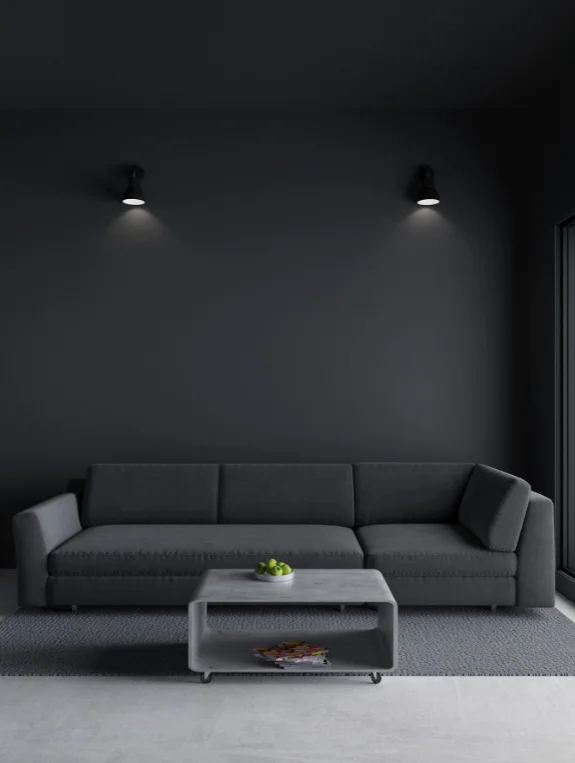
Dark Rugs That Swallow Floor-Level Light
A dark rug can absorb 80 to 90 percent of the light that reaches the floor. In a small living room, that means light entering from the windows hits the rug and simply disappears rather than bouncing back into the space.
A lighter rug reflects that same light upward, effectively multiplying the brightness already in the room.
Dark Furniture and Accessories That Create a Collective Light Trap
A dark sofa, a dark coffee table, and dark shelving together create a cumulative darkness that even strong natural light struggles to overcome.
Light-colored furniture, on the other hand, reflects light back into the room instead of absorbing it. The more dark surfaces in a room, the harder that light has to work.
The Light Material Swap That Brightens Without New Furniture
A light-colored slipcover for the sofa, a cream area rug layered over a dark existing one, and white or cream throw pillows can transform the material darkness in a room without replacing a single piece of furniture.
These swaps are inexpensive and completely reversible for renters. They’re often the fastest fix on this entire list.
Mistake 5 — Windowsill Clutter That Blocks the Light Source
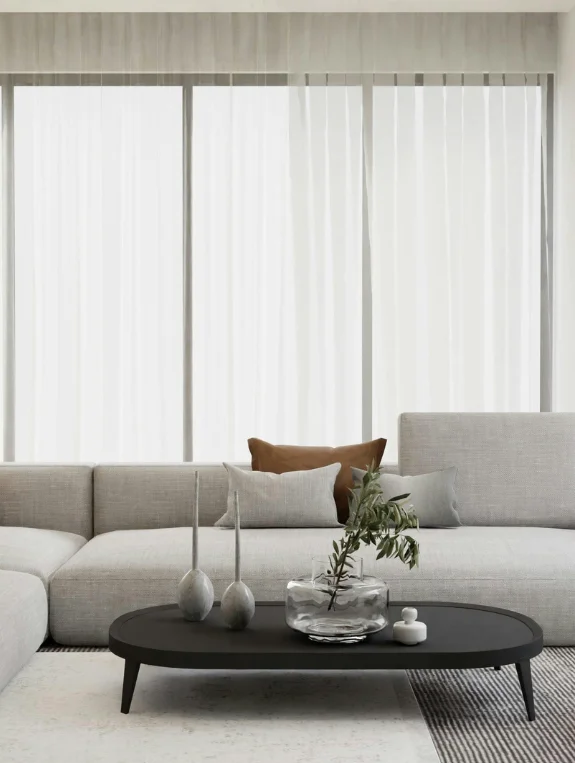
Why Windowsills Must Stay Clear for Maximum Light
Objects sitting on a windowsill occupy the exact spot where light enters the room in the first place.
They cast shadows inward and reduce how much of the window is actually able to transmit light. A clear windowsill effectively acts as a wider, more effective light source.
The One Windowsill Exception That Works Without Blocking Light
A small transparent glass plant or a single thin plant is really the only exception worth keeping here, since these items transmit light rather than block it.
A glass jar or clear vase on the sill can even catch and scatter light further into the room. Anything opaque, though, is working against you.
The Correct Place for Windowsill Items
Moving windowsill items to a small shelf or the wall beside the window keeps them nearby aesthetically without blocking the light source itself.
You don’t have to give up the styling, just relocate it slightly. This small shift solves the problem without sacrificing the look you were going for.
Mistake 6 — Mirrors on the Wrong Wall
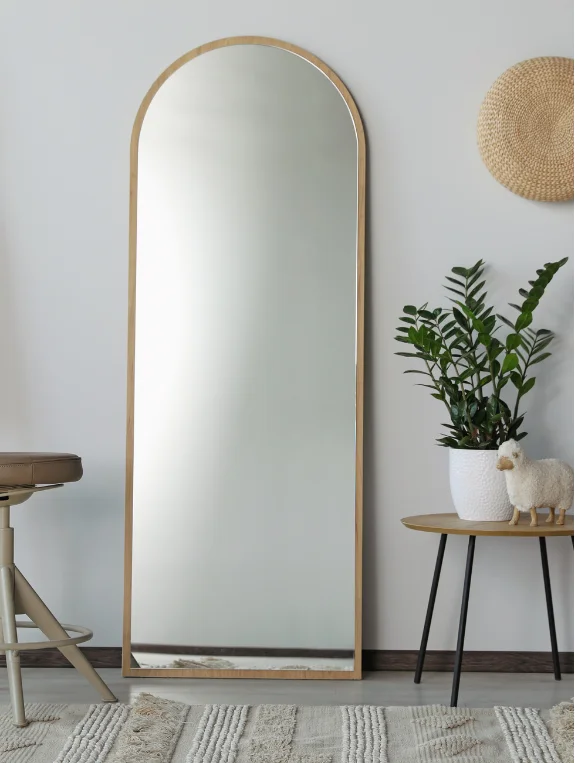
Why a Mirror on the Same Wall as the Window Sends Light Back Out
A mirror hung on the same wall as the window actually reflects light back out toward the window instead of into the room.
The mirror that should be helping brighten the space ends up working against it. Placement really does matter just as much as the size of the mirror itself.
The Mirror Position That Doubles Natural Light
Placing the mirror on the wall directly opposite or perpendicular to the window lets it catch incoming light and reflect it deeper into the room.
The same exact mirror becomes a genuine light multiplier instead of a light redirector. It’s a simple repositioning that makes an existing mirror finally earn its spot on the wall.
The Mirror Size That Creates Maximum Light Impact
Generally, the larger the mirror, the more light it’s able to catch and reflect back into the room.
A full-length leaning mirror or a large wall mirror placed opposite a window can effectively double the perceived natural light in a small living room. It’s one of the higher-impact upgrades on this entire list.
The Natural Light Maximization Plan
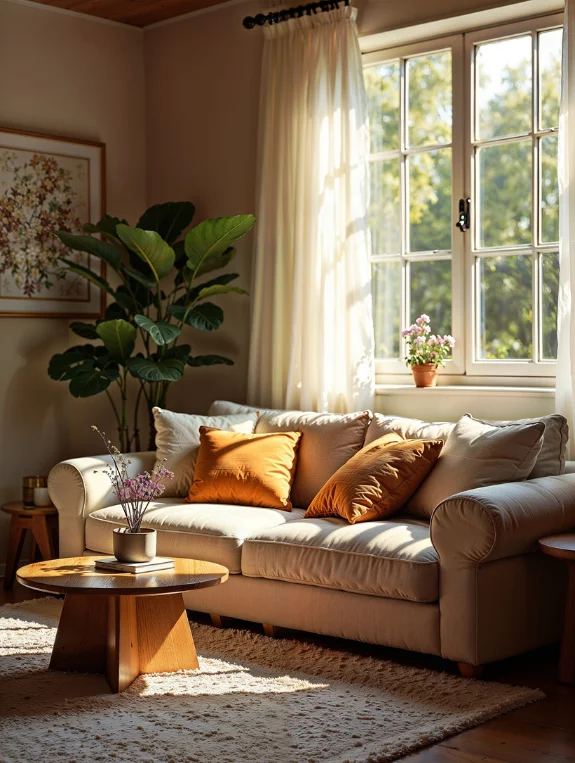
The Free Changes That Maximize Light This Weekend
Moving furniture away from windows, swapping to sheer curtains, clearing windowsills, and repositioning a mirror opposite the window are all completely free changes.
Together, they can double the perceived natural light in a room before a single dollar is spent. This is genuinely the best place to start.
The Inexpensive Changes That Complete the Light Maximization
A light area rug runs about $40 to $60, sheer curtains cost roughly $20 to $35, and warm white paint or removable wallpaper can round things out if your lease allows it. None of these are big investments, but together they make an apartment feel genuinely brighter throughout the entire day. It’s a small budget for a noticeable result.
The Ongoing Habit That Maintains Maximum Natural Light
Opening every curtain and blind each morning, treated as a non-negotiable habit, keeps a space feeling consistently open to natural light.
An apartment that stays open to daylight feels completely different from one where the curtains only get opened when someone happens to remember. It’s a free habit that costs nothing but a few seconds each morning.
Where to Find Light-Maximizing Apartment Solutions
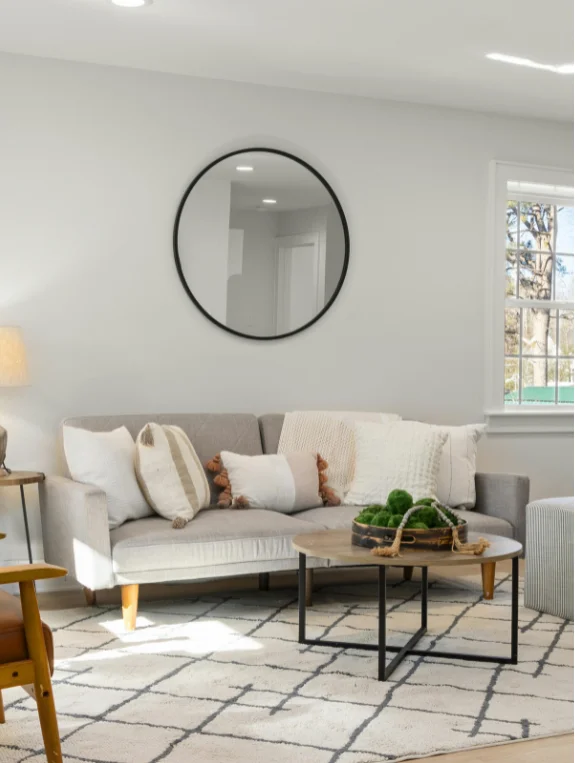
Best Sources for Sheer Curtains and Light Furniture
IKEA carries affordable sheer curtains and light-colored furniture that work well for this exact fix. Amazon offers a wide range of sheer curtain panels and large mirrors, while Target is a reliable source for light-toned rugs and accessories.
Best Sources for Light-Reflective Decor
Amazon has a strong selection of large leaning mirrors at various price points. Target carries light-toned throw pillow covers and rugs that fit easily into this plan, and HomeGoods is worth checking for quality mirrors at a discount.
Conclusion
More natural light was likely available in your apartment all along, it was just being blocked without you realizing it.
Moving the sofa, opening the curtains, clearing the windowsill, repositioning the mirror, and swapping out dark materials for lighter ones can make an apartment noticeably brighter before a single lamp is ever purchased.
The best place to start is right now: open every curtain and blind in the apartment, sit with the natural light for about 30 minutes, and notice which furniture pieces are blocking that light from reaching the center of the room.